
Last updated November 4, 2026
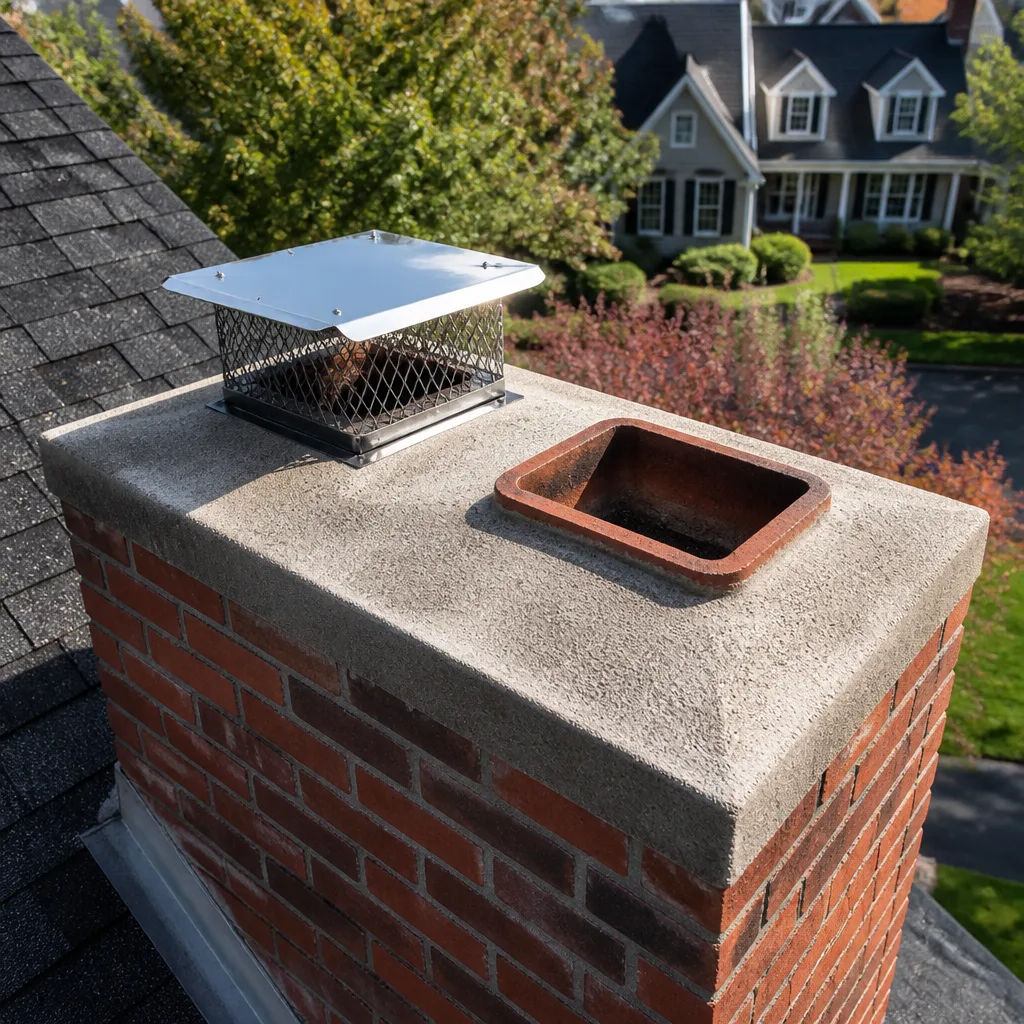 Sweep & inspection
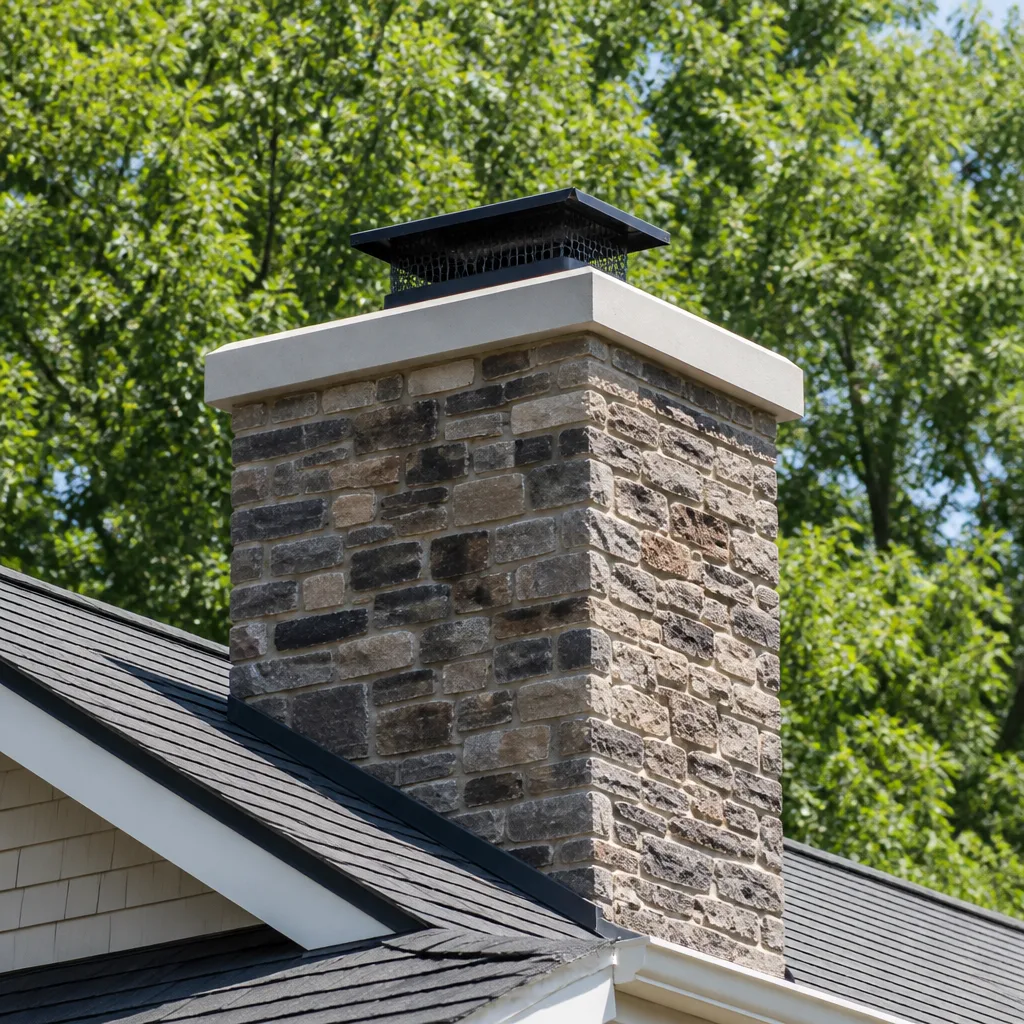 Caps & crowns
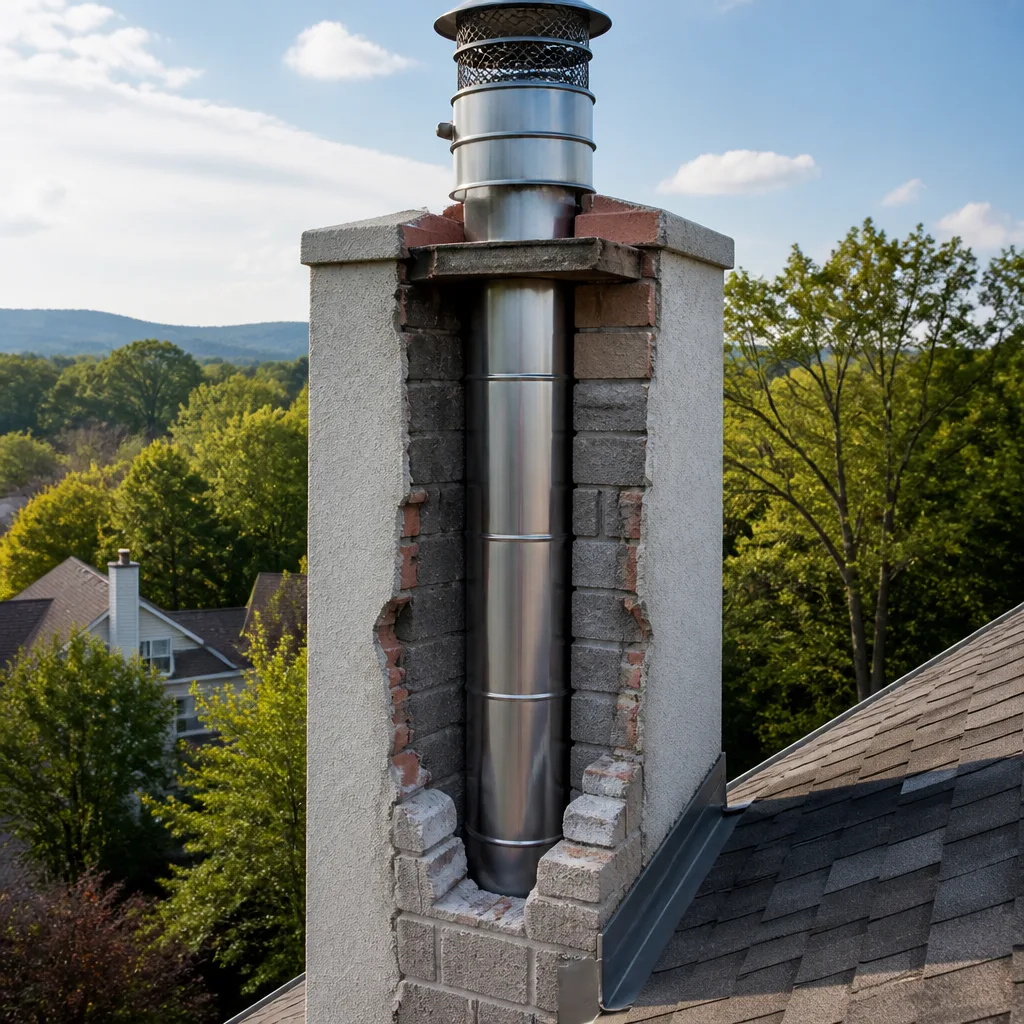 Flue relining
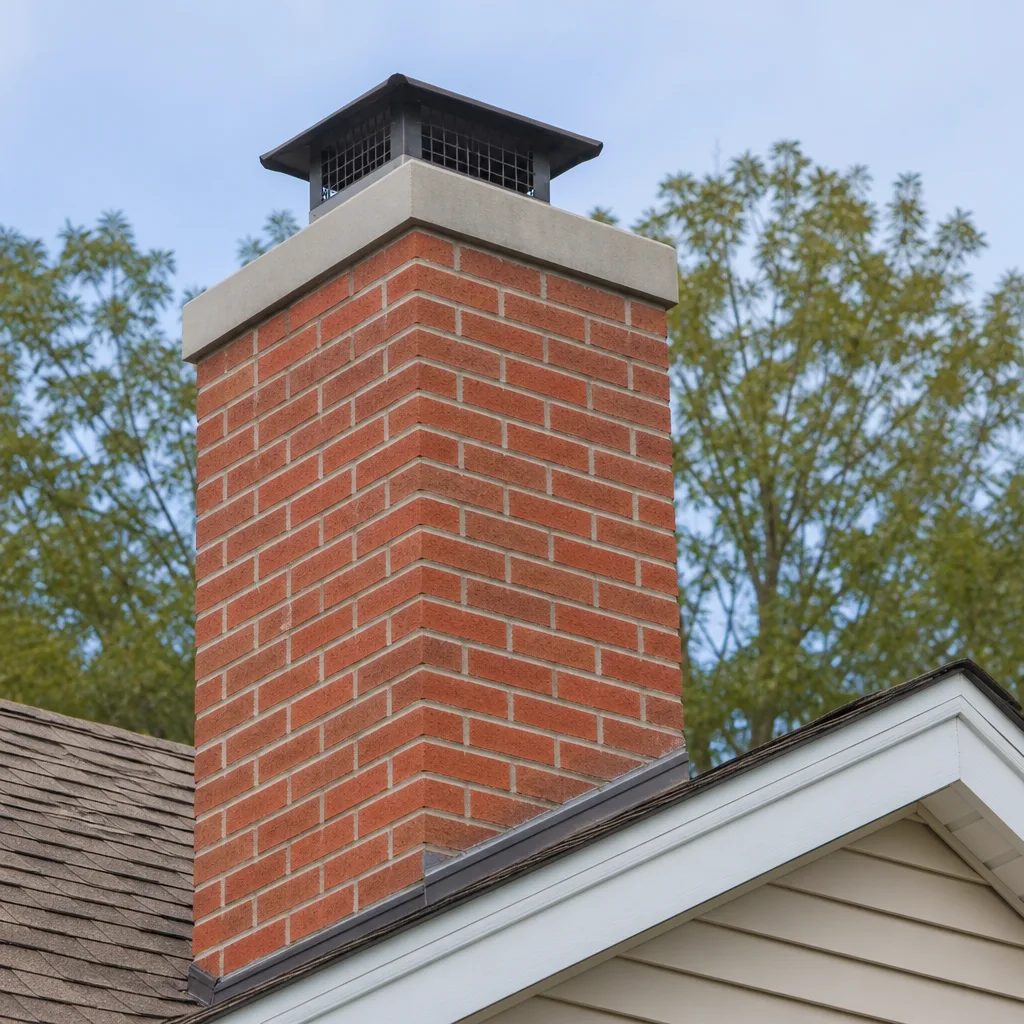 Masonry repair
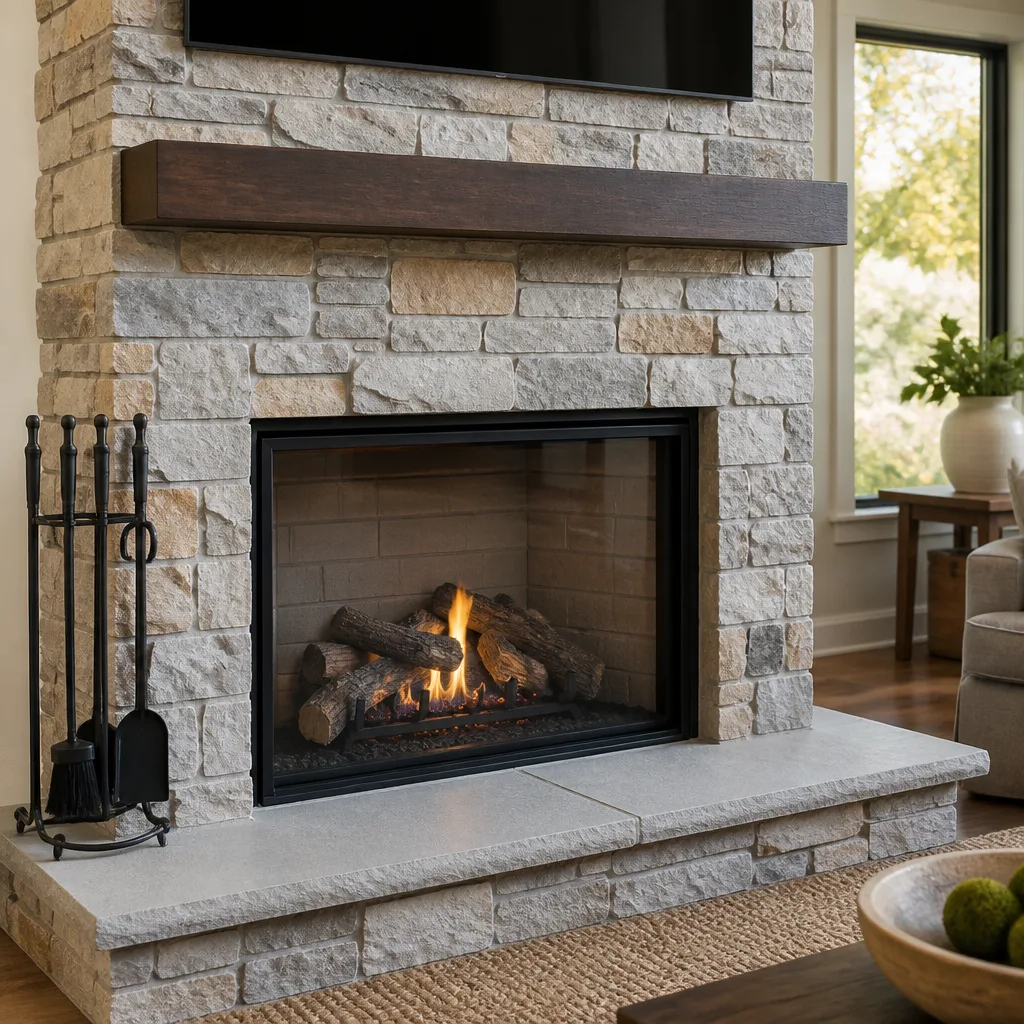 Gas fireplace service
Level 1 sweep and inspection to the NFPA 211 annual standard - flue, crown, cap, and flashing checked and photographed
Chimney sweep logs do not sweep chimneys. They loosen some creosote - which then falls where a brush and vacuum still have to collect it.
How to Hire a Chimney Cleaning Contractor in Whittier: A Step-by-Step Guide
Here’s something most homeowners don’t realize until it’s too late: the chimney sweep industry has one of the lowest barriers to entry in the trades. A CSIA-certified technician with thousands of inspections behind them and someone who bought a brush set online last month can both appear in the same Google search results for Whittier. And the uncertified one will almost always quote a price lower by exactly enough to seem reasonable. This guide walks you through how to tell them apart before you hand over a deposit, what credentials actually matter in California, and the specific questions that expose a weak contractor within the first three minutes of a phone call.
Styles & brands we work with
- Sweep & inspection
- Caps & crowns
- Flue relining
- Masonry repair
- Gas fireplace service
Quick Answer
To hire a chimney sweep in Whittier, verify three things before you book: CSIA certification, a California C-61 specialty contractor license through CSLB, and current liability insurance naming you as additionally insured. Then ask what equipment they use for inspection (a camera is non-negotiable) and what brands they install for repairs. A legitimate contractor answers both questions without hesitation and provides a written estimate that itemizes scope, materials, and what happens if they find damage. Call (866) 361-2279 for a free estimate from a contractor who passes every check in this guide.
Table of Contents
- Why Hiring a Chimney Contractor in Whittier Is Harder Than It Looks
- The Credentials You Should Verify (And How to Check Them in 5 Minutes)
- Red-Flag Language: Phrases That Reveal an Unqualified Contractor
- Questions to Ask Before the First Visit
- What a Legitimate Written Proposal Includes
- How to Compare Two Bids That Look Similar in Price
- Why Equipment and Material Brands Matter
- Common Mistakes to Avoid
- When to Call a Professional
- Frequently Asked Questions
- The Bottom Line
Why Hiring a Chimney Contractor in Whittier Is Harder Than It Looks
The challenge in Whittier isn’t finding someone who says they clean chimneys. It’s finding someone who can actually diagnose what’s wrong once they’re inside the flue. Whittier’s housing stock is older on average than most of Los Angeles County, with many homes built between the 1920s and 1960s. That means clay tile liners that have been exposed to decades of use, often without regular maintenance from previous owners.
The real problem is that all bids look identical on paper. Two contractors might both quote “chimney sweep and inspection” at prices within fifty dollars of each other. But one shows up with a rotary brush, a camera system, and a moisture meter, while the other has a hand brush and a drop cloth. One can tell you that your clay tiles are cracked and spalling at the 14-foot mark. The other tells you the chimney is “clean” because they can’t see what’s there.
We work in Whittier every week, and in our experience, the difference between a competent sweep and a surface-level cleaning is almost never visible to the homeowner until something fails. The point of this guide is to give you the tools to identify competence before you book, not after the crew leaves. A chimney fire doesn’t announce itself. Neither does a cracked liner slowly leaking carbon monoxide into a wall cavity.
Part of what makes this difficult locally is that Whittier sits in a mixed climate zone. Winters are mild, so homeowners often assume the chimney doesn’t take much abuse. But the real wear on Southern California chimneys comes from temperature swings and seismic movement, not snow. Hairline cracks in mortar joints and clay tiles develop over time from the ground settling, and they’re invisible without a camera inspection. A mild winter doesn’t mean a safe chimney. It means the damage has more time to accumulate unnoticed between uses.
The Credentials You Should Verify (And How to Check Them in 5 Minutes)
Three credentials separate a professional chimney contractor from someone who bought a van and printed business cards. You can verify all three online before you ever pick up the phone. Here they are, in order of importance.
1. CSIA Certification. The Chimney Safety Institute of America is the national standard-setting body for the chimney industry. A CSIA-certified sweep has passed written exams covering fire codes, clearances, construction standards, and inspection protocols. The certification requires continuing education to maintain. You can verify a technician’s certification at csia.org using their name or company. If a contractor claims certification but you can’t find them in the directory, ask for their certification number and look it up. A real one has no problem giving it to you.
2. California C-61 Specialty Contractor License. In California, chimney work requires a C-61/D-35 limited specialty license issued by the Contractors State License Board. This is a legal requirement, not a nice-to-have. An unlicensed contractor cannot legally perform work over $500 in labor and materials on your home. Checking a license takes 60 seconds: go to cslb.ca.gov, enter the company name or license number, and confirm the license is active, current, and carries no disciplinary actions. You should also check the bond status while you’re there. The CSLB website shows whether the contractor’s bond is active. If someone shows up to quote work in Whittier without a C-61, that’s the end of the conversation.
3. Current Liability Insurance. A contractor should carry general liability insurance and be able to name you as additionally insured on their policy for the duration of the job. This protects you if a technician damages your roof, drops a tool on your tile, or something else goes wrong. Any legitimate contractor can email you a certificate of insurance from their carrier within minutes. If they hesitate, deflect, or tell you “don’t worry about it,” worry about it.
That’s the entire verification process. About five minutes on two websites and one email request. We recommend doing all three checks before you schedule an estimate, not after. It filters out most of the bad actors in the Whittier market before they ever walk your property.
Red-Flag Language: Phrases That Reveal an Unqualified Contractor
You can learn more from what a contractor says on the phone than from what’s printed on their website. Certain phrases come up again and again with under-qualified crews operating in Southern California. Here are the ones to listen for, and what they actually mean.
“Full cleaning with free inspection.” An inspection isn’t something you bolt onto a cleaning as a freebie. It’s a diagnostic process that requires a camera, a checklist, and documentation. When a contractor bundles a “free inspection” into a low-priced sweep, the inspection almost always consists of looking up the flue from the firebox with a flashlight. That is not an inspection. That’s a glance. A legitimate chimney inspection is Level 1 or Level 2 by CSIA standards, and Level 2 involves running a camera through the entire flue system. If the word “inspection” isn’t paired with the word “camera,” ask whether one will be used. If the answer is no, you’re hiring a brush-and-vacuum service, not a diagnostic professional.
“Flat rate, no scope walk needed.” A flat rate for a chimney sweep is only possible if the contractor assumes a certain chimney condition. But no two Whittier chimneys are in the same condition. An older Whittier home with a masonry chimney and a clay liner from 1948 has different needs than a newer home with a prefabricated metal chimney. A contractor who quotes a price before seeing the chimney, or who says they don’t need to walk the scope of work, is telling you they’re not going to look closely at anything. Pricing should be per job, set after evaluation, and confirmed in a written estimate.
“I’ll let you know if it needs more work when I’m in there.” This is the highest-pressure sales tactic in the chimney industry. The technician quotes you $149 for a sweep, gets the job, then emerges from your roof an hour later with a list of “urgent” repairs that must be done immediately. The urgency is manufactured by the fact that they’re already on the property and you’re already committed. A professional flags potential issues during the inspection, documents them with camera footage, and presents you with options without demanding a same-visit decision. There’s almost never a chimney repair that can’t wait 48 hours for you to get a second opinion. If a contractor tries to force a decision on the spot, that’s a disqualifier.
“We do it all, no subs.” Running a full-service chimney company means having trained technicians for sweeping, repair, and relining. That’s plausible. But when a contractor also claims to do dryer vents, masonry, roofing, and gutters with the same two-person crew, you’re talking to a handyman service, not a chimney specialist. Specialized work requires specialized training. Ask what percentage of their jobs are chimney-specific. A chimney contractor does chimneys. A generalist dabbles in everything.
Questions to Ask Before the First Visit
Before you schedule any estimate in Whittier, spend five minutes on the phone. These questions will tell you more about the contractor than their Yelp page ever will.
- “What inspection standard do you follow?” The answer should be “CSIA Level 1 or Level 2 inspection” with an explanation of the difference. A Level 1 covers readily accessible areas during routine maintenance. A Level 2 is required when there’s a change to the system (real estate transaction, new appliance, suspected damage) and includes a full camera scan. An unqualified contractor won’t know what you’re talking about.
- “Do you use a chimney camera for every inspection?” If the answer is anything other than “yes, every single time,” move on. The camera is the single most important diagnostic tool in modern chimney work. Without it, anything they tell you about liner condition is a guess.
- “What brands of repair materials do you use?” A contractor who can immediately name their liner brand, their sealant brand, and their cap hardware is ordering from professional supply lines. Someone who pauses, says “whatever’s available,” or talks only in generic terms is likely buying from a big-box store. We use DuraFlex liner systems for relining work, HeatShield for flue resurfacing, and Gelco caps for termination hardware. Every one of those names is a professional-grade product line that a generalist has never heard of.
- “What does your written estimate look like?” A legitimate contractor describes a line-item estimate: scope of work, materials, labor, access considerations, and a note that any change orders will be documented in writing. A weak contractor says “we’ll send over a number.”
- “Can you text me proof of license and insurance before the visit?” This is the fastest disqualification test you’ll ever run. A licensed, insured contractor sends you the documents in minutes. An unlicensed operator gets defensive, makes excuses, or stops responding.
What a Legitimate Written Proposal Includes
A one-line invoice that says “chimney sweep – $199” is not a proposal. It’s a receipt waiting to happen. When you’re hiring a chimney contractor in Whittier for anything beyond a basic sweep, here’s what a legitimate written estimate includes.
Scope of work, itemized. A real proposal breaks the job into components. “Remove existing cap, inspect crown, run Level 2 camera scan of 14-foot flue, document condition, sweep with rotary brush, remove debris, reinstall cap.” Each item has a line and a price. This matters because it tells you exactly what you’re paying for and gives you a document to compare against a competing bid.
Materials by name. If the proposal includes repair work, it should name the actual products being installed. “Reliner system: DuraFlex 316L stainless steel, 6-inch diameter, 25-foot length.” Not “replacement liner.” If the contractor can’t tell you what brand of liner they’re putting into your home, they haven’t thought hard enough about the job to earn it.
Access notes. Whittier homes range from single-story ranches to split-levels with steep roof pitches. The estimate should acknowledge how the technician will access the chimney: roof access, ladder placement, any safety equipment needed. If access is complicated (tile roof, steep pitch), the estimate should reflect the additional labor.
What happens if damage is found. This is the section most homeowners skip, but it’s the one that matters most. The estimate should state, in writing, what the protocol is if the inspection reveals a cracked liner, a deteriorating crown, or spalling brick. A professional proposal says something like: “If inspection reveals damage requiring repair beyond the scope above, work will pause, findings will be documented with photos, and a revised written estimate will be provided before any additional work proceeds.” That sentence protects you from surprise charges.
Clear payment terms. Who pays what and when. A reasonable structure is a deposit to schedule, with the balance due on completion of the agreed scope. Avoid contractors who demand full payment upfront or who want cash only.
How to Compare Two Bids That Look Similar in Price
Here’s a scenario we see all the time in Whittier: Homeowner gets two bids for a chimney sweep and inspection. One is $210, the other is $230. Looks like the same job, right? Maybe not. Here’s how to compare them line by line.
Start with the inspection. Does either bid mention a camera? A sweep without a camera scan is a different service than a sweep with a Level 2 camera inspection. The $210 bid might be a brush-through with no diagnostic value. The $230 bid might include a full video inspection with documentation. In that case, the $230 bid is the better value by a mile, because you’re buying information about your chimney’s condition, not just soot removal.
Look at what’s included in the sweep itself. Does one include the firebox, the smoke chamber, and the cap? Does one include debris removal from the roof? Does one include a damper function check? A cheap sweep that leaves creosote in the smoke chamber isn’t a sweep at all. It’s a partial cleaning that leaves the most flammable part of the system untouched.
Then look at the repair capacity behind the bid. If both contractors flag a cracked clay liner during inspection, what happens next? One bids the job with no way to actually fix it and refers you to someone else. The other has DuraFlex relining capability and HeatShield resurfacing on the truck. The second contractor can solve the problem they find. The first one just departs and leaves you to start your hiring process over. That difference in capability is worth more than the twenty dollars between the two bids.
Finally, check the warranty language. A professional stands behind the work in writing. Ask what the warranty covers and for how long. If the bid doesn’t mention one, ask. If the answer is vague, remember that.
Why Equipment and Material Brands Matter
Chimney repair materials are not commodities. The liner that carries combustion gases out of your home is a safety component. The cap that keeps rain and animals out is a weatherproofing barrier. These things have manufacturer specifications, and some products are used by certified contractors while others are sold to anyone with a pulse at the local hardware store.
When a contractor names the brands they use, they’re telling you something specific about their business. They order from professional supply channels, they follow manufacturer installation guidelines, and they’ve handled enough jobs to know which products hold up and which ones cause callbacks. A contractor who can’t name their liner brand, or who waves it off with “it’s all the same stuff,” hasn’t done enough of this work to have an opinion. You don’t want the person learning on your chimney.
We built our service around this principle. We use DuraFlex liner systems for relining, HeatShield for flue resurfacing, Gelco for caps and terminations, and we source through Olympia Chimney and Copperfield supply lines. Those aren’t decorative brand drops. They’re the materials we install in Whittier homes because they’re what certified chimney contractors across the country use. Contractor-grade materials, not hardware-store substitutes. The difference shows up in year five and year ten, long after the ink on the check dries.
The same logic applies to dryer vent cleaning. A dryer vent is a fire hazard in its own right, and a company that treats it as a chimney-related service understands the connection. Both systems move hot air and combustion byproducts out of your home. Both build up flammable material over time. Both need inspection and cleaning on a schedule. One call covers your chimney and your dryer vent, which is a scope most chimney-only companies skip.
Common Mistakes to Avoid
- Hiring on price alone. The cheapest bid in Whittier almost always means the contractor is cutting something: camera inspection, insurance, proper equipment, or all three. A $99 sweep that misses a cracked liner costs more in the end than the $230 sweep that catches it.
- Skipping the CSLB license check. It takes one minute on cslb.ca.gov, and it’s the fastest way to filter out unlicensed operators in Whittier. If the license doesn’t come back active, don’t let them on your property.
- Hiring a “chimney sweep” who’s actually a general handyman. Whittier’s older homes sometimes need work in multiple areas, and it’s tempting to bundle. But chimney systems involve fire safety and carbon monoxide risk. Hire a chimney specialist for chimney work.
- Not asking for a camera inspection. Without a camera, the entire service is surface-level. You won’t know if your clay tiles are cracked, your mortar is spalling, or your smoke chamber needs attention. You’ll have a clean chimney that’s still dangerous.
- Accepting a verbal estimate. If it’s not in writing with line items, it doesn’t exist. A verbal number gives you nothing to compare, nothing to hold them to, and no paper trail if the scope changes.
- Feeling pressure to approve repairs same-day. A legitimate repair recommendation includes documentation, a written estimate, and time for you to think. Pressure tactics are a red flag for overpricing or unnecessary work.
- Not asking about warranty and guarantee. What happens if the new cap leaks in six months? What if the liner shifts? A professional answers this without hesitation and puts it in writing. Someone who doesn’t has just told you everything.
When to Call a Professional
There are moments when a chimney problem crosses from “maintenance item” to “safety would-rather-deal-with-it-now.” You’re burning wood in Whittier and you notice smoke backing up into the room. You find pieces of tile or mortar in the firebox after a burn. You smell something musty from the fireplace in the summer. Your chimney cap has disappeared or been damaged by the wind. You’ve never had the chimney inspected and you’ve owned the home for years. Any one of these scenarios justifies a call. A professional inspection either gives you confidence or catches a problem early, and either way, you’re better off knowing.
Chimney Sweep Whittier offers free estimates in Whittier. Call (866) 361-2279 and we’ll walk you through what you’re seeing, tell you what it likely means, and schedule an inspection or estimate if it makes sense. No pressure, no same-visit upsell. We answer 24/7, and fast dispatch runs from 7am to 7pm, Sunday through Friday.
Frequently Asked Questions
A typical chimney sweep and inspection in Whittier runs between $180 and $340 depending on chimney height, access difficulty, and whether a Level 2 camera inspection is included. The written estimate sets the final price. Call (866) 361-2279 for a free estimate for your specific chimney.
Go to cslb.ca.gov, enter the contractor’s name or license number, and confirm the license is active and current. You’re looking for a C-61/D-35 specialty classification. The site will also show bond status and any disciplinary actions.
A Level 1 inspection is a visual check of accessible areas during a routine sweep. A Level 2 inspection includes a full camera scan of the flue interior and is required for real estate transactions, appliance changes, or suspected damage. We recommend a Level 2 for any older Whittier home that hasn’t been inspected recently.
A visual check from the firebox or roof cannot see the lower two-thirds of most flues. A camera sees everything: cracked tiles, gaps in mortar, hidden obstructions. Without it, a contractor is guessing, and you’re paying for the guess. Camera inspection should be standard on any job in Whittier, not an add-on.
The National Fire Protection Association recommends an annual inspection for chimneys in regular use. Even if you burn infrequently in Whittier’s mild winters, an annual check catches seismic cracks, water intrusion, and animal nests before they become expensive problems.
Creosote accumulates inside the flue. It’s flammable, and in sufficient quantity it can ignite into a chimney fire that cracks liners and damages the structure. You also miss deteriorating mortar joints and cracked clay tiles, which can leak gases into wall cavities. Annual inspection finds these things early, when repairs are minor. Call (866) 361-2279 to get started.
The Bottom Line
Hiring a chimney contractor in Whittier comes down to verification, not trust. Check the CSIA certification, run the CSLB license lookup, and ask for proof of insurance before you schedule anything. Ask about their camera inspection protocol and their material brands. Read the written estimate line by line. If a contractor can’t answer these questions clearly, the cheap bid isn’t cheap. It’s a risk with a price tag attached. Your chimney is a fire safety system, and the person working on it should treat it that way. Verify credentials, compare written scopes, and hire the contractor who shows their work.
Written by the team at Chimney Sweep Whittier, serving Whittier since 2014.
See the difference
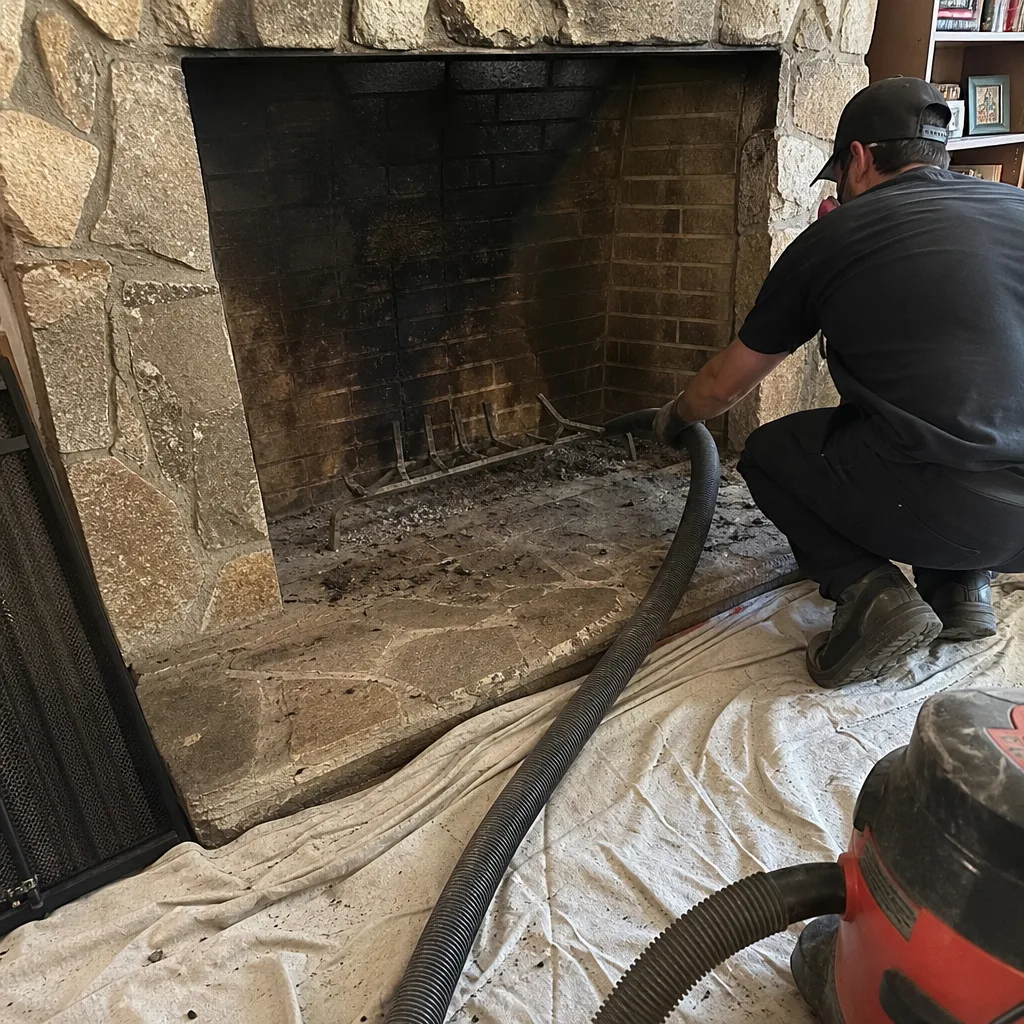 Before
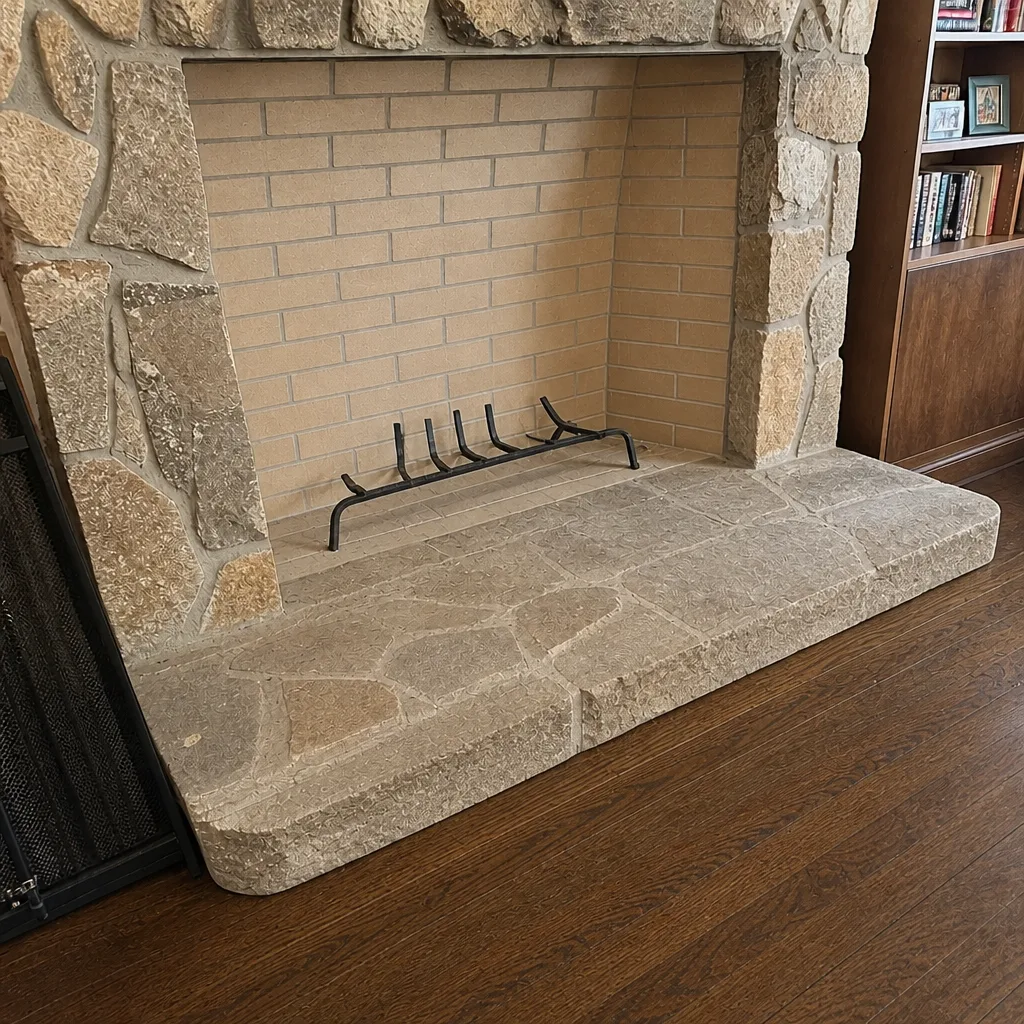 After
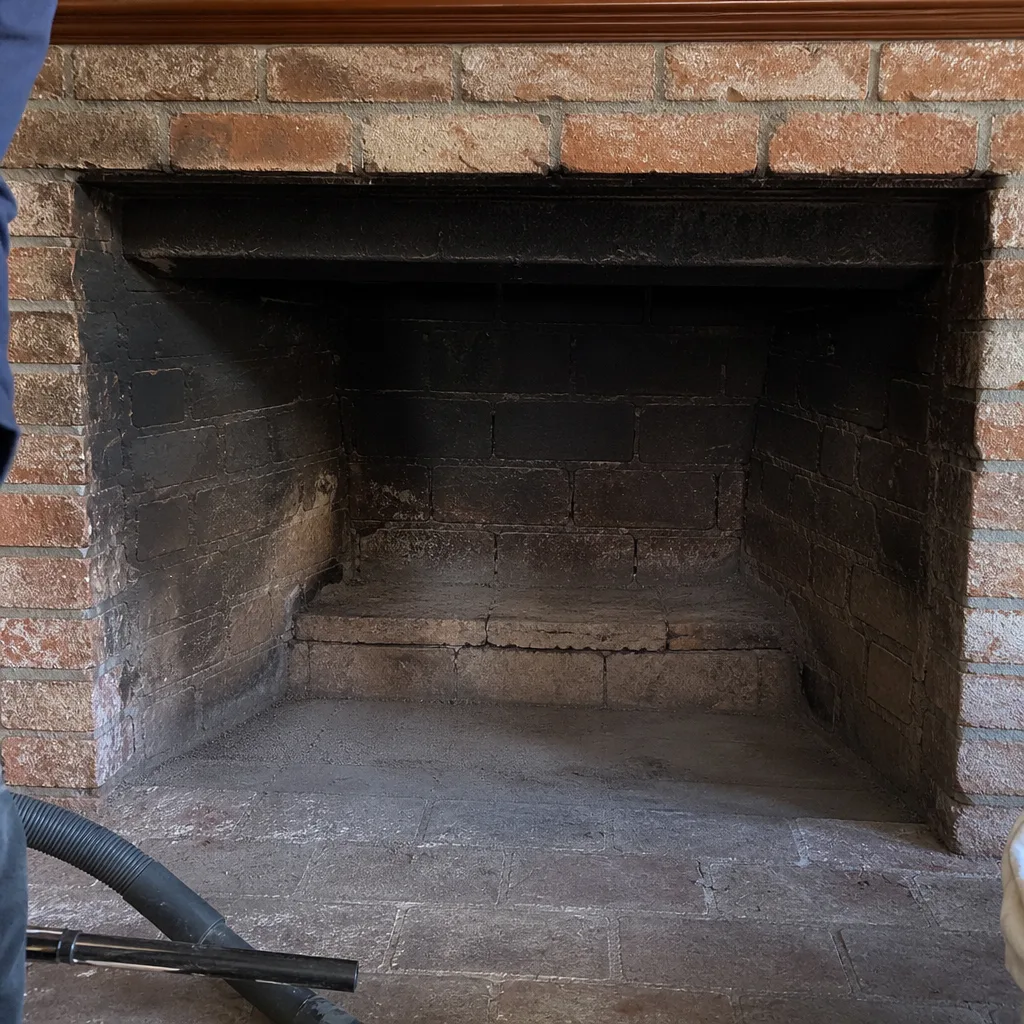 Before
 After
 Before
 After