
Last updated November 4, 2026
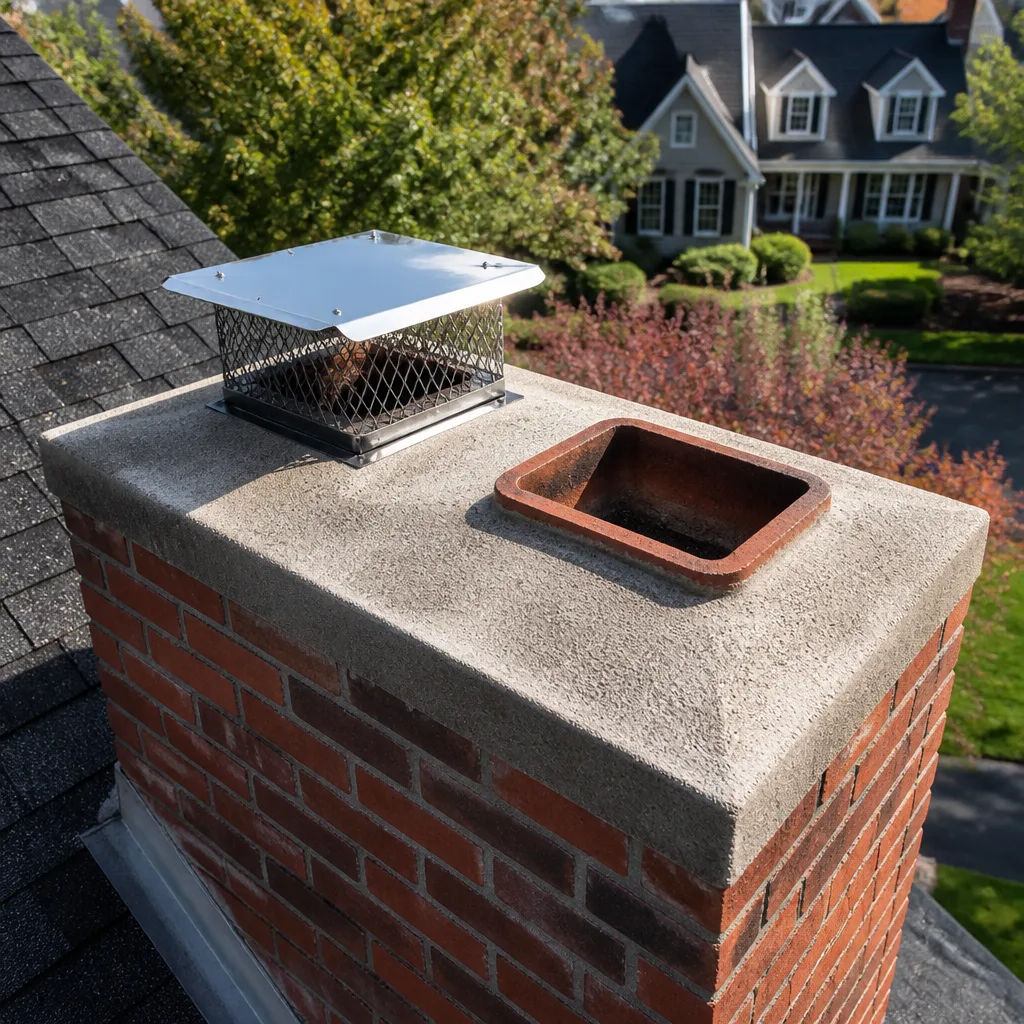 Sweep & inspection
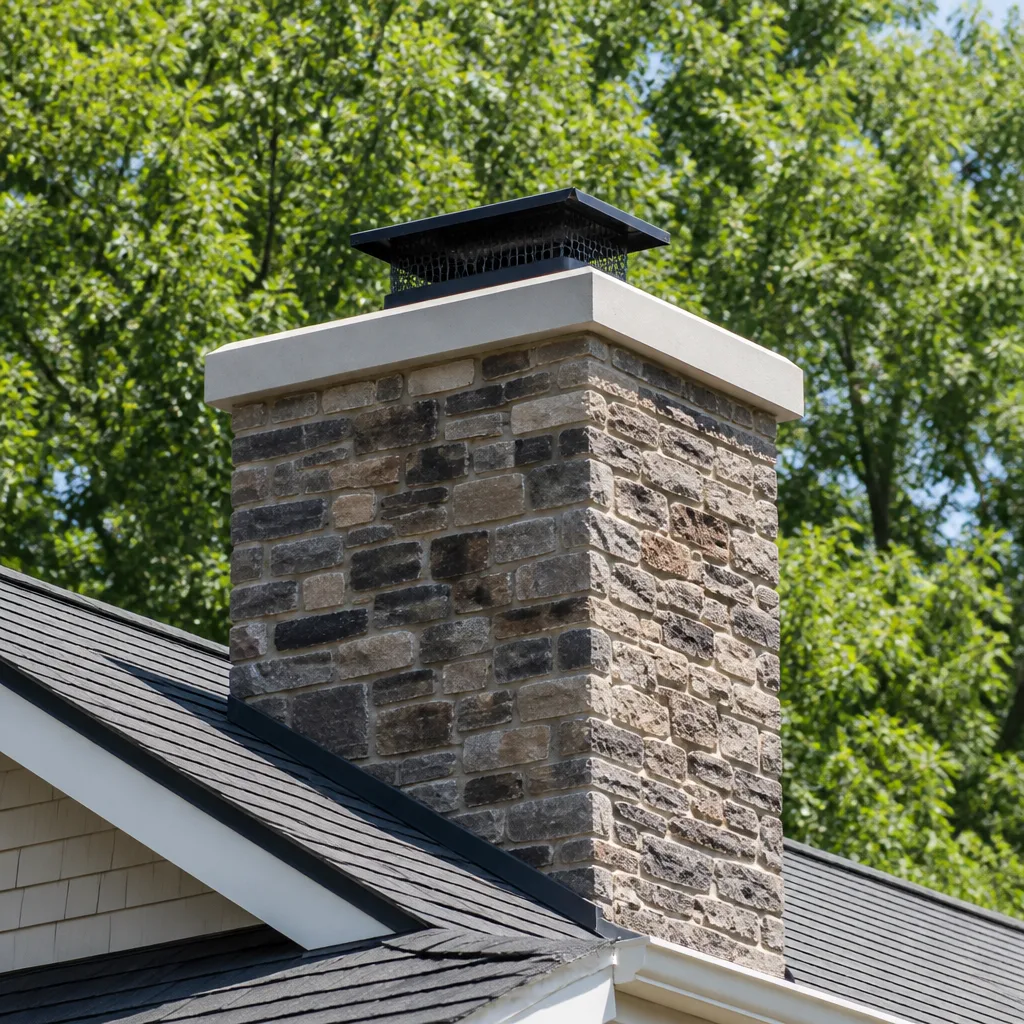 Caps & crowns
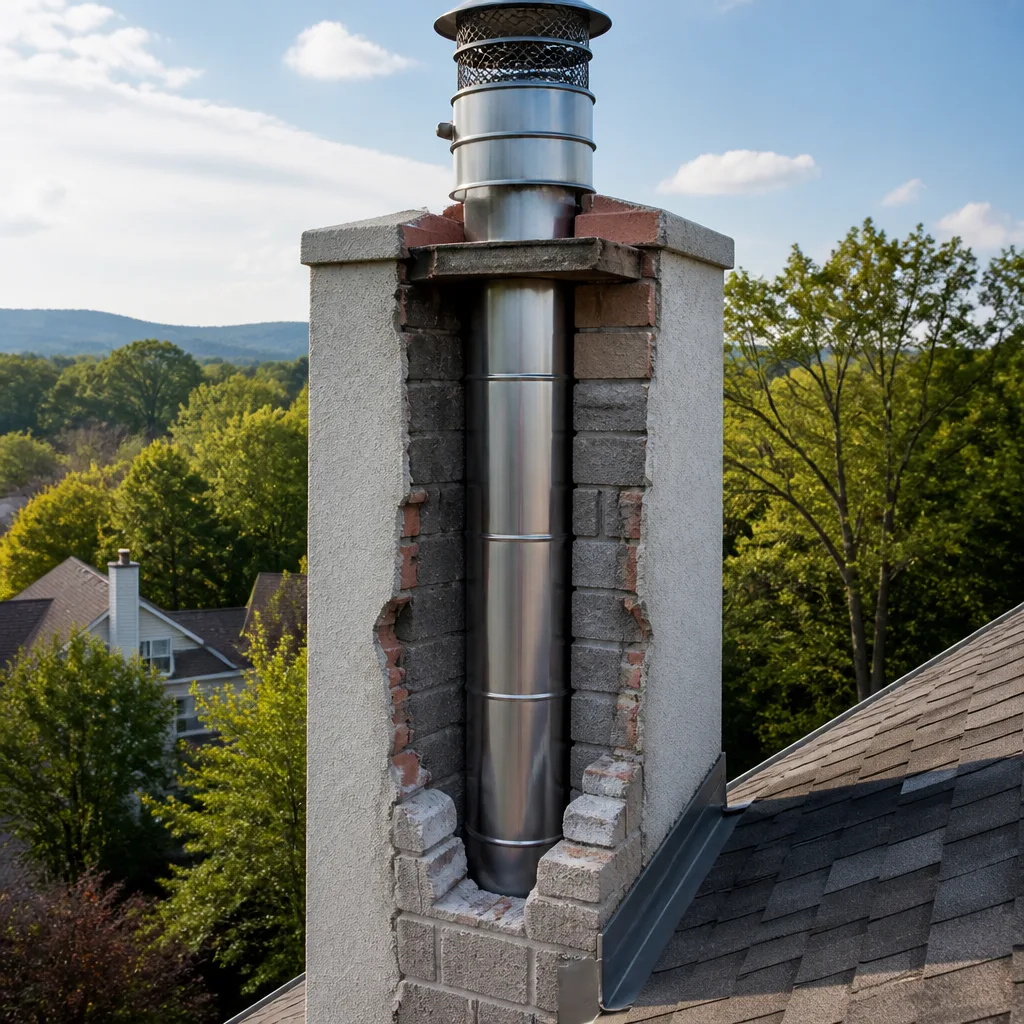 Flue relining
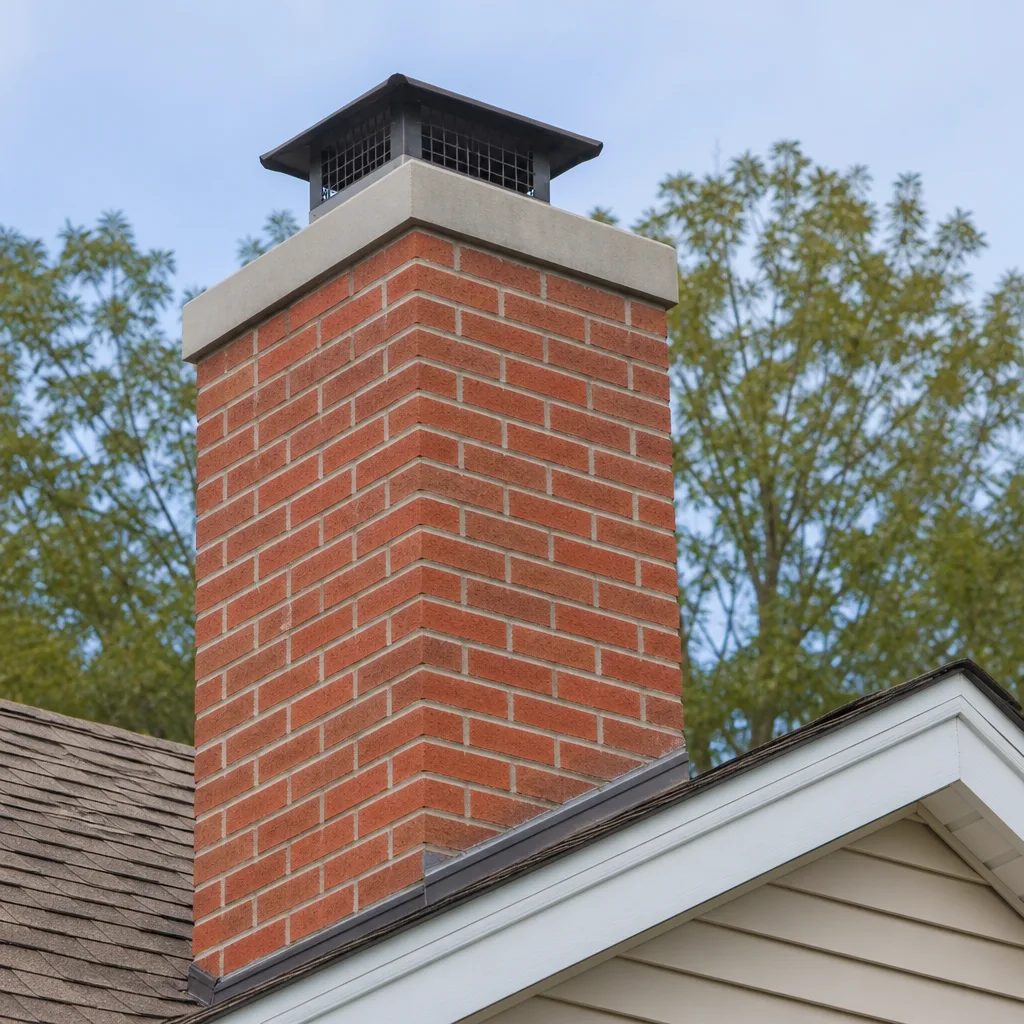 Masonry repair
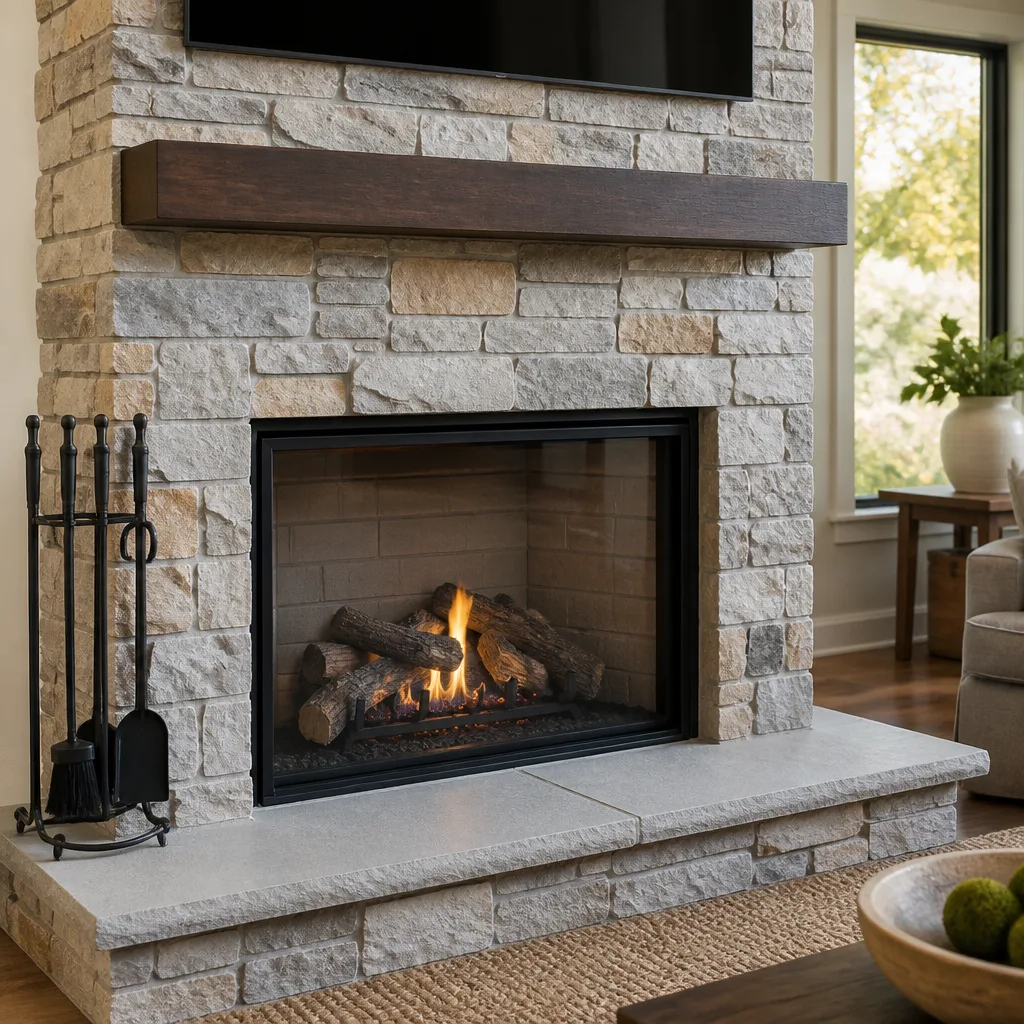 Gas fireplace service
Level 1 sweep and inspection to the NFPA 211 annual standard - flue, crown, cap, and flashing checked and photographed
Chimney sweep logs do not sweep chimneys. They loosen some creosote - which then falls where a brush and vacuum still have to collect it.
Seasonal Chimney Cleaning Care for Whittier: Year-Round Homeowner’s Guide
The worst time to discover your chimney has a problem in Whittier is the first cool evening in November, when you reach for a match and the smoke backs into the living room. But the damage that causes that problem usually starts in June, when the flue sits idle and moisture from marine layer cycles through unsealed masonry a little at a time. Most Whittier homeowners think of chimney maintenance as a fall chore. That thinking is why so many end up with repair bills in December that a seasonal inspection in September would have caught. This guide walks you through what your chimney actually needs month by month in Southern California’s climate, not New England’s. Whittier doesn’t have four distinct fireplace seasons. It has two critical windows and two forgotten ones, and the forgotten months are where most problems begin.
Styles & brands we work with
- Sweep & inspection
- Caps & crowns
- Flue relining
- Masonry repair
- Gas fireplace service
Quick Answer
Seasonal chimney cleaning in Whittier means scheduling a professional sweep before your first fire of the season, which for most homes means September or early October, not waiting until the first cold snap. A second shoulder-season check in spring protects the flue during the months it sits idle, because summer heat expansion, UV exposure, and nesting activity cause more structural damage than burning does. Homeowners who follow a twice-yearly inspection and cleaning rhythm spend less over the life of the chimney than those who react to problems after they appear.
Table of Contents
- Why Whittier’s Chimney Calendar Is Different
- The Two Critical Windows: September and March
- Summer: The Season That Damages Chimneys Without a Single Fire
- What Santa Ana Wind Events Do to Your Chimney
- A Month-by-Month Maintenance Calendar for Whittier Homeowners
- How Seasonal Maintenance Prevents Expensive Repairs
- Signs Your Chimney Needs Attention Now
- Common Mistakes to Avoid
- When to Call a Professional
- Frequently Asked Questions
- The Bottom Line
Why Whittier’s Chimney Calendar Is Different
Most chimney advice online is written for places with real winters. Snow, ice, freeze-thaw cycles, sub-zero nights, the works. Whittier is not that place. Our winters are mild, which means the traditional “get your chimney swept before winter” advice only tells part of the story. The bigger story is that our chimneys sit unused for eight or nine months of the year, and that idle time is when they degrade.
In Whittier, the fireplace gets used heavily for maybe three months, lightly for another two, and not at all for the rest of the year. That long idle stretch exposes the masonry to heat, UV radiation, moisture, and animal activity without the regular heating and cooling that helps drive moisture out. Think about it. A chimney that gets a fire every night in winter stays dry. A chimney that sits empty from April through October absorbs whatever moisture the air gives it, and Southern California’s marine layer provides plenty in the early mornings and late evenings, especially in the hills that flank Whittier.
The other difference is fuel. Most Whittier homes with fireplaces burn seasoned wood or use gas logs. Wood creates creosote, a flammable residue that builds up in the flue. Gas creates acidic condensation that corrodes liners over time. Both need different maintenance approaches, and a one-size-fits-all chimney schedule doesn’t work here.
What homeowners in Whittier actually need is a calendar built around local weather patterns. Not around what a chimney guide from Connecticut says.
The Two Critical Windows: September and March
The Whittier chimney year has two windows where action matters most: mid-September to mid-October, before the first fires, and March, as the burning season winds down. Everything else is filler, but these two windows prevent most problems.
Window One: September Through October (Pre-Burn Season)
This is the most important inspection and cleaning window in Whittier. By September, summer has done whatever damage it’s going to do. The crown has been baking in sun for four months. Animals have had the entire nesting season to move in. Creosote from last winter’s fires has had six months to harden and settle. If you only do one thing per year, do this: get a professional chimney sweep in September or early October.
Why this exact window? Because Santa Ana winds typically start peaking in October, and you want your system inspected and cleaned before wind-driven debris and pressure changes add another variable. You also want any repairs done while the weather is still dry and predictable, not during the rainy period that occasionally hits Southern California in late fall.
Here is what a September maintenance visit should include:
- Full flue inspection. A camera check of the entire liner, looking for cracks, gaps, or creosote buildup that could feed a chimney fire.
- Creosote removal. Even if you only burned a few fires last winter, hardened creosote needs mechanical removal before this year’s fires begin.
- Crown and cap check. The concrete crown at the top takes the most weather abuse. Cracks here let water into the masonry, and a cap that shifted or failed over summer needs replacement.
- Smoke chamber and damper evaluation. These areas collect debris and creosote and are often overlooked in a rush job.
- Dryer vent check. If you’re already having the chimney done, adding dryer vent cleaning addresses the second-biggest fire hazard in the home in the same visit.
Window Two: March (Post-Burn Season)
As the weather warms and the fireplace goes quiet for the season, a second visit closes out the winter and sets up the idle months. This is the appointment homeowners skip, and it’s the one that prevents the most summer damage.
A March visit should include removing whatever creosote built up over winter, checking for water intrusion that happened during any winter rain, and confirming the cap and crown survived the burning season intact. It’s also the right time to clear any early nesting material, because birds and squirrels start looking for chimney real estate in March and April in Southern California.
We tell our Whittier customers this: the September visit is about safety before burning. The March visit is about protecting the chimney during the months it’s not being used. Both matter.
Summer: The Season That Damages Chimneys Without a Single Fire
Here’s the counterintuitive truth that most chimney guides miss. Summer is the most damaging season for Whittier chimneys, and it has nothing to do with burning.
Start with heat. Whittier summers are hot, with prolonged stretches in the 90s. Masonry expands when heated. The concrete crown, the brick and mortar of the chimney structure, and the clay tile liner all expand at different rates. Over a summer of repeated heating and cooling, those differences create hairline cracks in the crown and mortar joints. No single day does visible damage. But by August, a crown that was solid in May might have a network of small fissures ready to let water in.
Then add UV radiation. Southern California gets intense sun, and that sun degrades concrete and mortar over time. It’s slow, but it’s relentless. The crown especially sits fully exposed to sun all day, every day. Properly sealed crowns last longer. Unsealed crowns degrade faster.
And then there’s the nesting season. Whittier’s residential areas, from Uptown through the hillside neighborhoods, have healthy populations of birds and squirrels that see an uncapped or poorly capped chimney as prime nesting real estate. Nests are flammable material sitting on top of your flue. They also block airflow, which means your first fire of fall fills the house with smoke instead of drawing it up. The time to address nesting is not November, when the nest is fully built and the birds have settled in. It’s summer, when activity starts, or better yet, spring, before it begins.
Moisture is the final piece. Whittier doesn’t get much rain, but it gets plenty of marine-layer moisture, especially in June. That moisture condenses on cool chimney surfaces in the early hours and evaporates as the day warms. Repeated wet-dry cycles are exactly what breaks down mortar and concrete over time. A chimney with a cracked crown and degraded mortar joints absorbs that moisture, and absorbed moisture accelerates the deterioration from the inside.
The takeaway: a chimney that sits untouched from March through August is a chimney that is quietly accumulating problems. The summer heat, UV, and nesting activity create the conditions that make the September inspection necessary.
What Santa Ana Wind Events Do to Your Chimney
Santa Ana winds are a fact of life in Whittier and across the San Gabriel Valley. They typically kick up in October and can blow periodically through March. They’re dry, they’re gusty, and they move a lot of air, debris, and dust. Your chimney is the highest opening on your house, and it catches all of it.
Here’s what happens during a serious Santa Ana event:
- Debris intrusion. Leaves, twigs, palm fronds, and whatever else is loose in the neighborhood gets driven horizontally into your flue opening. If your cap is missing or damaged, that debris ends up inside the flue, where it blocks airflow and becomes tinder for your next fire.
- Cap displacement. Gusty winds can loosen or shift a poorly installed cap. A displaced cap is worse than no cap in some ways, because it can partially block the flue while also letting debris and animals in.
- Pressure-driven contamination. The wind creates pressure differentials that can push ash, soot, and creosote residue from the smoke chamber back down into the firebox. Homeowners sometimes notice a smokey smell during Santa Ana events even when no fire has been lit. That smell is a sign that your smoke chamber or damper area has accumulated material that the wind is stirring up.
- Masonry stress. Sustained winds flex structures slightly, and older chimneys with existing mortar cracks can see those cracks widen during strong events. It’s not usually catastrophic, but it accelerates deterioration.
The practical advice: after a major Santa Ana wind event, take a minute to look at your chimney from ground level. Check that the cap is still in place. Look for new cracks. Smell the fireplace opening for unusual odors. If anything seems off, schedule an inspection before you light a fire. Wind-driven damage is real, but it’s usually minor if addressed promptly and expensive if ignored for months.
A Month-by-Month Maintenance Calendar for Whittier Homeowners
Here is a working maintenance calendar built for Whittier’s actual climate and burning patterns. It assumes you use a wood-burning fireplace or gas insert during the cooler months and that the system sits idle from roughly April through October.
September: Schedule Your Pre-Season Inspection and Cleaning
This is the non-negotiable appointment. In Whittier, September is the right time because summer damage is done, nesting season is ending, and you still have several weeks before the first real fire. A professional chimney sweep inspects the flue with a camera, removes creosote, checks the crown and cap, and evaluates the smoke chamber and damper. Repairs recommended in September can be completed in October with time to spare. Waiting until November means you’re competing with everyone else who waited for the first cold night, and you might be lighting fires with a chimney that isn’t ready.
October: Complete Any Repairs and Prepare for Burning Season
October in Whittier can still be hot, but nights start cooling down. If your September inspection found issues, October is the month to fix them. This is where the material choices matter. A deteriorating clay liner might be a candidate for resurfacing with HeatShield, a product that seals cracks and restores the flue surface without a full rebuild. A liner that’s beyond resurfacing can be replaced with a DuraFlex flexible liner system. A damaged or missing cap calls for a specified replacement, matched to the flue dimensions. These are contractor-grade materials, not hardware-store substitutes, and they determine how long the repair lasts.
November: Light the First Fire With Confidence
If September and October went according to plan, November is easy. The flue is clean, the crown is sealed, the cap is secure, and your first fire draws properly. If you didn’t do the September inspection, November is when you discover the smoke problems, the animal nests, and the creosote buildup. A common November call we handle in Chimney Sweep Whittier territory is “we lit the first fire and smoke filled the room.” Almost always, that home skipped the September visit.
December Through February: Burn Season Maintenance
During the heaviest burning months, pay attention to how the system performs. Does the fire draw well every time? Does smoke enter the room when the door or window is open? Do you smell anything unusual after the fire dies down? These are the quiet signals that something has changed in the flue. Modern sweeps recommend cleaning when creosote reaches a certain thickness, so if you burn frequently through December and January, you might be due for a mid-season sweep in February even if you had one in September.
March: Close Out the Season
As your last fires happen, this is the time for the post-season visit: remove remaining creosote, check for any water intrusion from winter rain, and clear the beginnings of nesting activity. A March visit also catches any damage that occurred during the burning season itself, including thermal wear on the liner and any shifts in the cap or crown. Addressing these in March is faster and cheaper than addressing them in September, and dramatically faster than discovering them in November.
April Through August: Monthly Visual Checks
During the idle season, you don’t need professional service every month, but you should do a basic visual check. Look at the chimney from ground level. Is the cap still on? Are there new cracks in the mortar you can see? Is any vegetation growing out of the masonry? Is there bird activity around the flue? These checks take 30 seconds and catch problems early.
June and July: Consider a Mid-Summer Look
If you want to be thorough, a mid-summer quick inspection makes sense in Whittier. By late June or July, the crown has been baking for months, and nesting season is in full swing. A professional can check the crown for new cracks, confirm the cap is still secure, and remove any early nesting material before it becomes a full-blockage problem in the fall. This isn’t a full sweep, just a structural check, but it can prevent the September inspection from turning into a September repair project.
How Seasonal Maintenance Prevents Expensive Repairs
The economics of chimney care in Whittier are straightforward once you see the cost curve. A routine chimney sweep and inspection costs a couple hundred dollars, depending on the system. Done twice a year, that’s a predictable, modest annual cost. Deferred maintenance, on the other hand, escalates fast.
Here is how the math works out in practice. That September inspection catches a small crack in the crown. The fix involves sealing the crack and applying a crown coat, maybe a few hundred dollars. Skip the inspection, and winter moisture gets into the crack, slowly working its way into the masonry. By the following September, that small crack is a network of fractures, and the moisture has begun deteriorating the mortar joints below. The repair is now a crown rebuild plus repointing, and the cost has jumped into four figures. Wait another season, and the liner itself has been compromised by water, which means HeatShield resurfacing or even a full DuraFlex reline. The tab is now over $1,800, and that’s if the structure hasn’t been compromised.
Deferred damage is the silent multiplier. A $200 cleaning in September becomes a $1,800 liner job in two years. It’s not because cleaning is overpriced. It’s because the damage compounds when it goes unaddressed, and Southern California’s dry weather hides water intrusion until it’s advanced. Masonry dries quickly here, which means water doesn’t sit visibly on the surface. It gets absorbed, works its way through the material, and causes damage that isn’t obvious until it cracks or crumbles from the inside. That’s exactly why a professional inspection with a camera matters. The human eye from the ground misses almost everything.
Signs Your Chimney Needs Attention Now
Some chimney problems announce themselves. Others are silent until it’s too late. Here are the signs that should trigger an immediate call, regardless of where you are in the seasonal calendar:
- Smoke backing into the room. This is never normal. It means an airflow blockage, a damper issue, or a structural problem in the flue. Stop using the fireplace until it’s inspected.
- A strong creosote or campfire smell, especially during warm weather or Santa Ana winds. This indicates creosote buildup or residue being stirred up in the smoke chamber. It’s a sign the flue needs cleaning.
- Visible cracks in the masonry or crown. From the ground, you might see vertical cracks running up the chimney or a crumbling edge on the crown. These are pathways for water, which means the next rain or marine-layer cycle takes a toll.
- Water staining on interior walls near the chimney or on the ceiling around it. This is water intrusion that has already worked through the masonry. The fix is urgent.
- Animal sounds or nesting material in the firebox. Birds, squirrels, and other critters in the flue are a fire hazard and a blockage. They also leave debris that burns at the wrong temperature.
- White staining (efflorescence) on the exterior brick or stone. That white powder is water-soluble salt being drawn out of the masonry by moisture. It means water is moving through the chimney structure, and it’s usually a sign of poor cap coverage or a cracked crown.
- A damper that sticks or doesn’t open and close smoothly. This can be rust from moisture, creosote buildup in the damper area, or warping. A damper that won’t close properly lets conditioned air escape year-round.
Any one of these is reason enough to schedule an inspection. None of them fixes itself, and in Whittier’s climate, waiting usually means the problem spreads.
Common Mistakes to Avoid
- Treating chimney cleaning as a once-a-year fall chore and ignoring the idle season. In Whittier, the idle season causes more structural damage than the burn season. A spring inspection and cleaning matters as much as the fall one.
- Waiting for the first cold snap to schedule a sweep. By November in Whittier, every chimney company is booked, and your first fire happens before your flue has been checked. September and October are the months to get on the calendar.
- Assuming a gas fireplace needs no chimney maintenance. Gas inserts and gas logs still vent through the flue, and gas combustion creates acidic condensation that corrodes liners. Gas systems need annual checks too.
- Ignoring a missing or damaged cap. The cap is your first line of defense against debris, animals, and moisture. A damaged or missing cap turns a minor fix into a structural problem in one nesting season.
- Neglecting dryer vent cleaning. Chimney and dryer vent cleaning are both fire-safety services, and the dryer vent is the one that operates year-round. Homes in Whittier that run dryers daily generate lint buildup that becomes the most common fire hazard in the house.
- Sweeping the flue without addressing the whole system. A flue can be clean while the crown is cracked, the cap is loose, and the smoke chamber is packed with residue. A professional chimney sweep evaluates the entire system, not just the liner.
- Using chemical creosote removers instead of mechanical cleaning. Over-the-counter creosote products reduce some buildup but don’t replace a mechanical sweep. Hardened creosote requires physical removal with professional tools.
When to Call a Professional
Call a professional when the smoke doesn’t draw right, when you see water staining or efflorescence, when there’s animal activity in the flue, or when you can’t remember the last time the system was inspected. Also call before buying a home with a fireplace, when you inherited a chimney from a previous owner without records, and after any significant wind event that may have shifted the cap or driven debris into the flue. If any sign from the list above applies, don’t light another fire until it’s checked. Chimney Sweep Whittier offers free estimates in Whittier, covering chimney sweeping, chimney repair, and dryer vent cleaning, with materials chosen from contractor-grade product lines like HeatShield, Gelco, and Olympia Chimney. Call (866) 361-2279 to schedule an inspection. We answer 24/7. Fast dispatch from 7am to 7pm, Sunday through Friday.
Frequently Asked Questions
How often should a chimney be cleaned in Whittier?
Most Whittier homeowners with wood-burning fireplaces need a professional chimney sweep once per year, ideally in September or early October before burning season begins. Homes that burn frequently through winter or burn soft woods that produce more creosote may need a second cleaning mid-season or in early spring. Gas fireplace systems should be inspected annually even though they produce no creosote, because gas combustion creates acidic residue that corrodes liners. If you use the fireplace heavily, a twice-yearly rhythm works best for Whittier’s climate. Call (866) 361-2279 for a free estimate based on your specific system.
How much does a chimney sweep cost in Whittier?
A standard chimney sweep and inspection in Whittier typically ranges from $150 to $350, depending on the system type, flue size, and amount of buildup. Repairs are priced separately, based on the written estimate for the specific work. The estimate is free, and the final price is set before work begins. Call (866) 361-2279 to get an exact quote for your chimney.
Do I need a chimney inspection if I never use my fireplace?
Yes, and this is one of the most misunderstood points in Whittier. A fireplace that sits unused still has a chimney, and that chimney is exposed to Southern California’s sun, wind, and moisture every day of the year. Crowns crack, caps shift, animals nest, and masonry degrades all without a single fire being lit. An unused chimney can actually be more vulnerable to animal intrusion because there’s no smoke to discourage nesting. An annual inspection, even without a full cleaning, catches these issues before they become structural.
What happens to a chimney during Santa Ana winds?
Santa Ana winds drive debris into the flue, can loosen or displace caps, and create pressure differentials that push ash and creosote residue from the smoke chamber back toward the firebox. After a significant wind event, check the exterior of the chimney from the ground and pay attention to any new odors around the fireplace. If the cap looks shifted or you smell something unusual, schedule an inspection before your next fire. The damage from wind is usually preventable with a properly installed cap and routine structural checks.
Does a gas fireplace need chimney cleaning?
Yes. Gas fireplaces and inserts produce no creosote, but they produce acidic combustion byproducts that corrode clay tile and metal liners. They also still have chimneys that experience all the structural wear of Whittier’s climate: crown cracks, cap shifts, animal intrusion, and water penetration. An annual inspection of a gas system checks the liner integrity, the vent path, and the cap and crown, along with any visible water or corrosion issues. Skipping it means the liner can fail without any smoke problem to alert you.
Can chimney cleaning and dryer vent cleaning be done in the same visit?
Yes, and for Whittier homeowners it’s often the most efficient use of one appointment. Chimney cleaning addresses the fire hazard in the flue, and dryer vent cleaning addresses a separate fire hazard that builds up with every load of laundry. Both are simple to schedule together, and the same technician can handle both systems in a single visit. For homes that have a fireplace and a dryer, one call covers both, with the dryer vent checked even during the months when the fireplace is idle.
The Bottom Line
Whittier’s chimney maintenance calendar does not follow the national pattern, because Whittier’s climate doesn’t either. The two dates that matter most are September, when summer damage is done and burning season is approaching, and March, when the season closes and the idle months begin. Between them, the monthly visual checks and an eye on Santa Ana wind events keep small problems small. The homeowners who stay ahead of the Whittier calendar pay for two cleanings a year and avoid the deferred repairs that turn a routine sweep into a structural project. The system works: inspect before burning, protect during idle, and address problems with contractor-grade materials when they appear. Your chimney does its job quietly. A little seasonal attention keeps it that way.
Written by the team at Chimney Sweep Whittier, serving Whittier since 2014.
See the difference
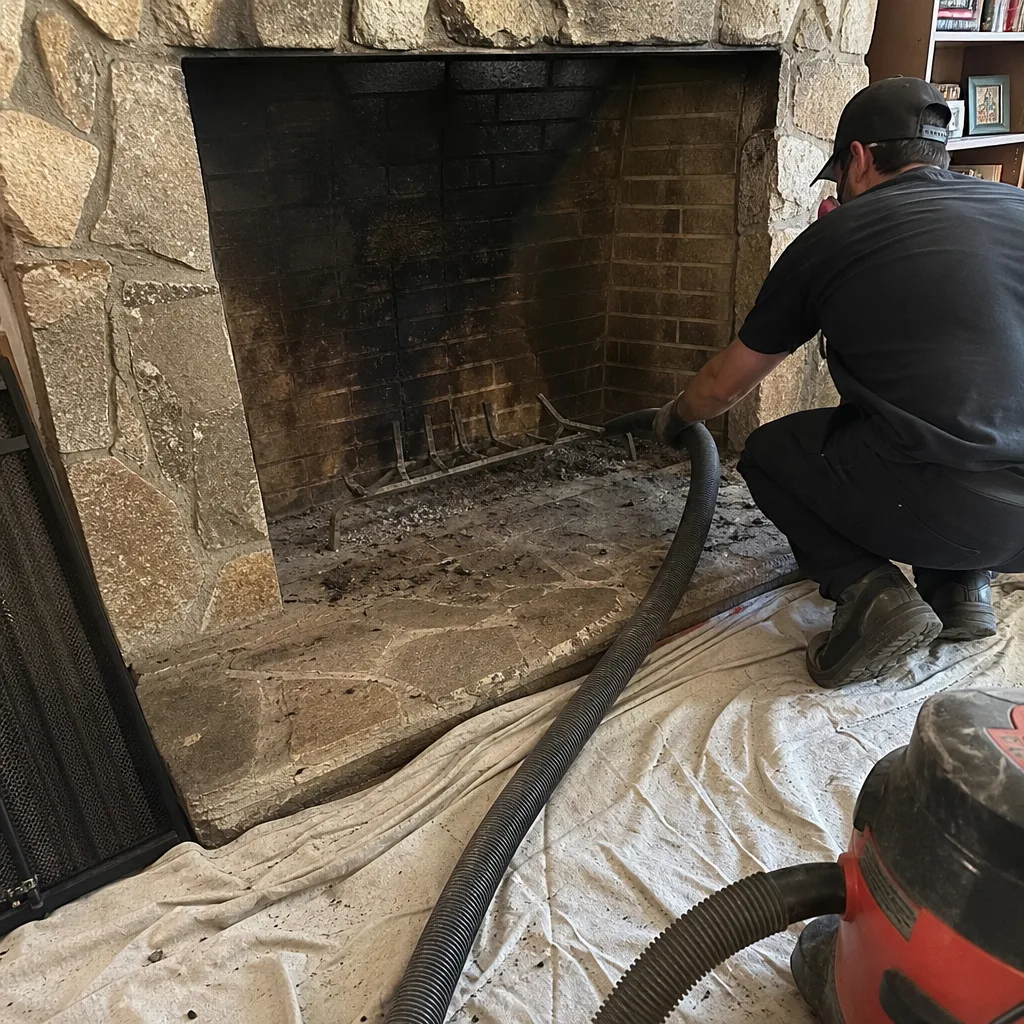 Before
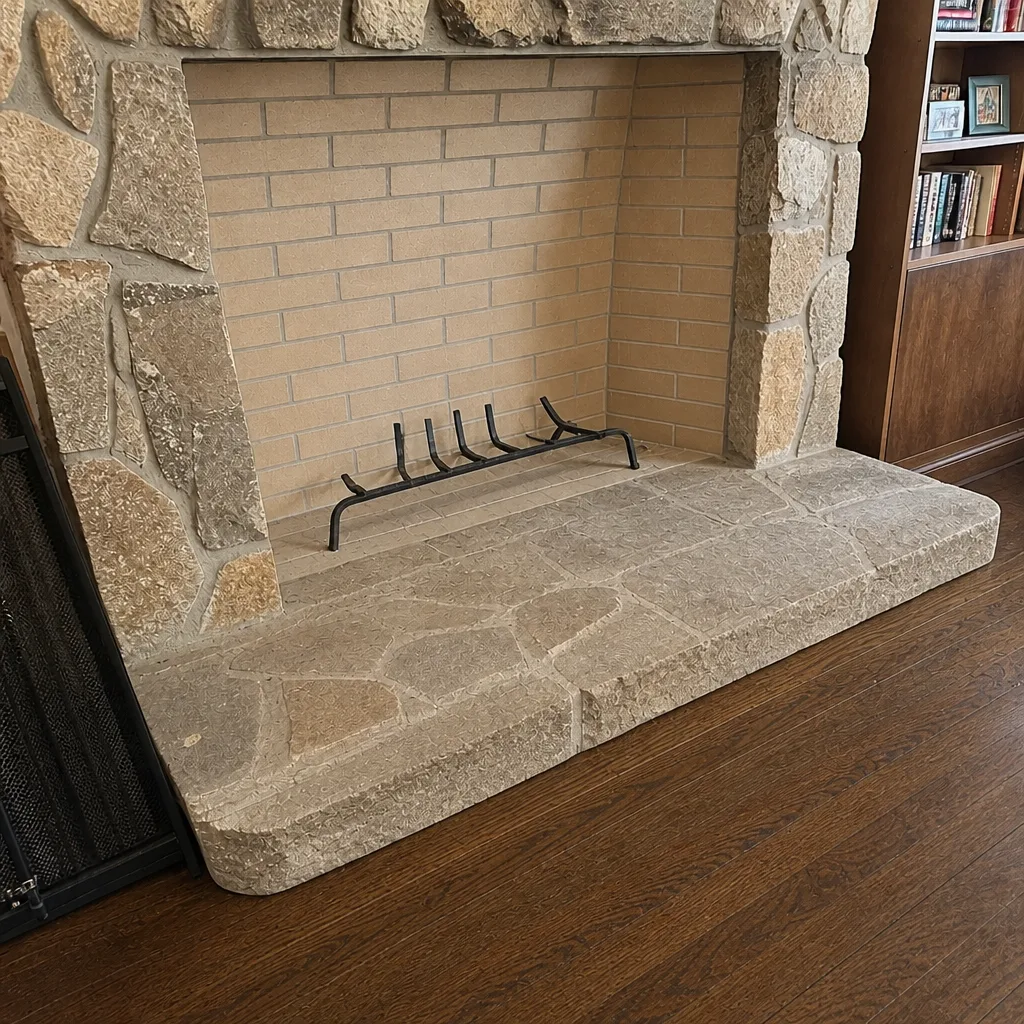 After
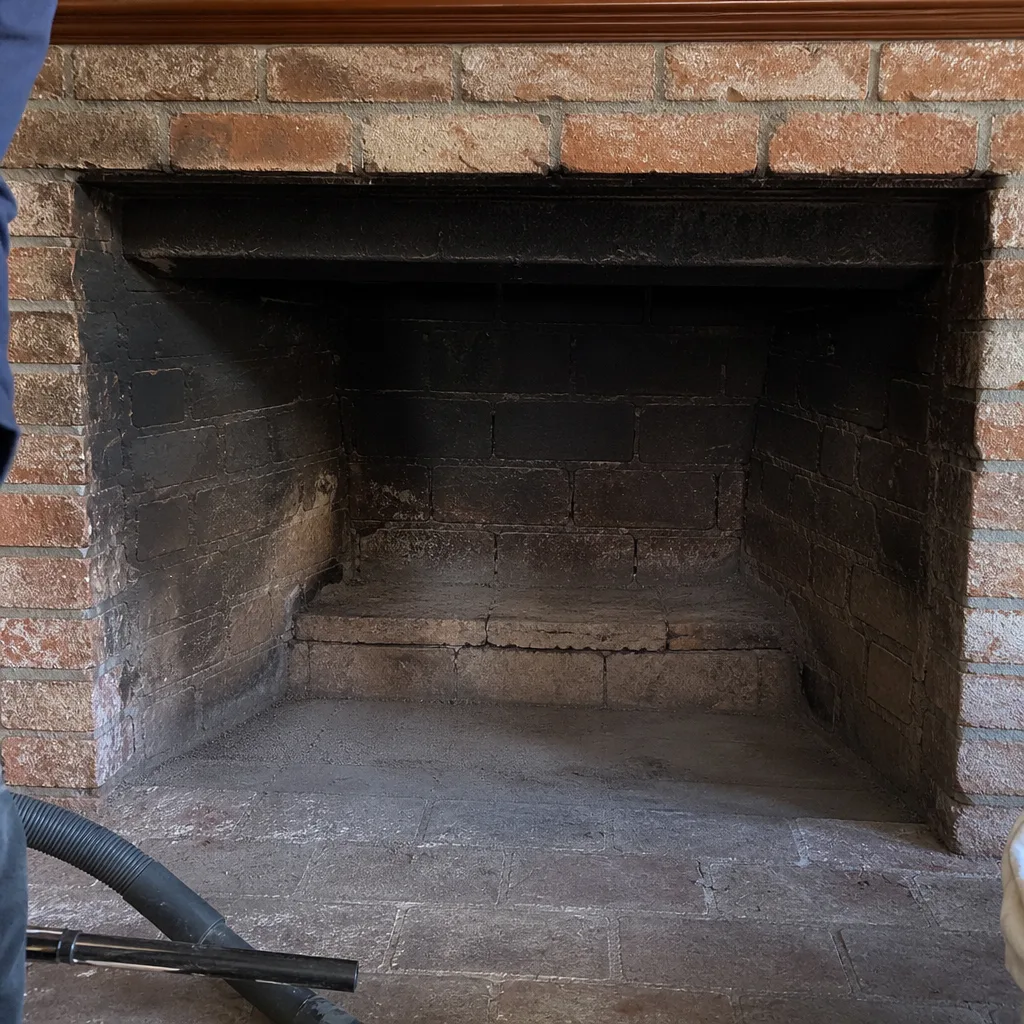 Before
 After
 Before
 After