
Last updated November 4, 2026
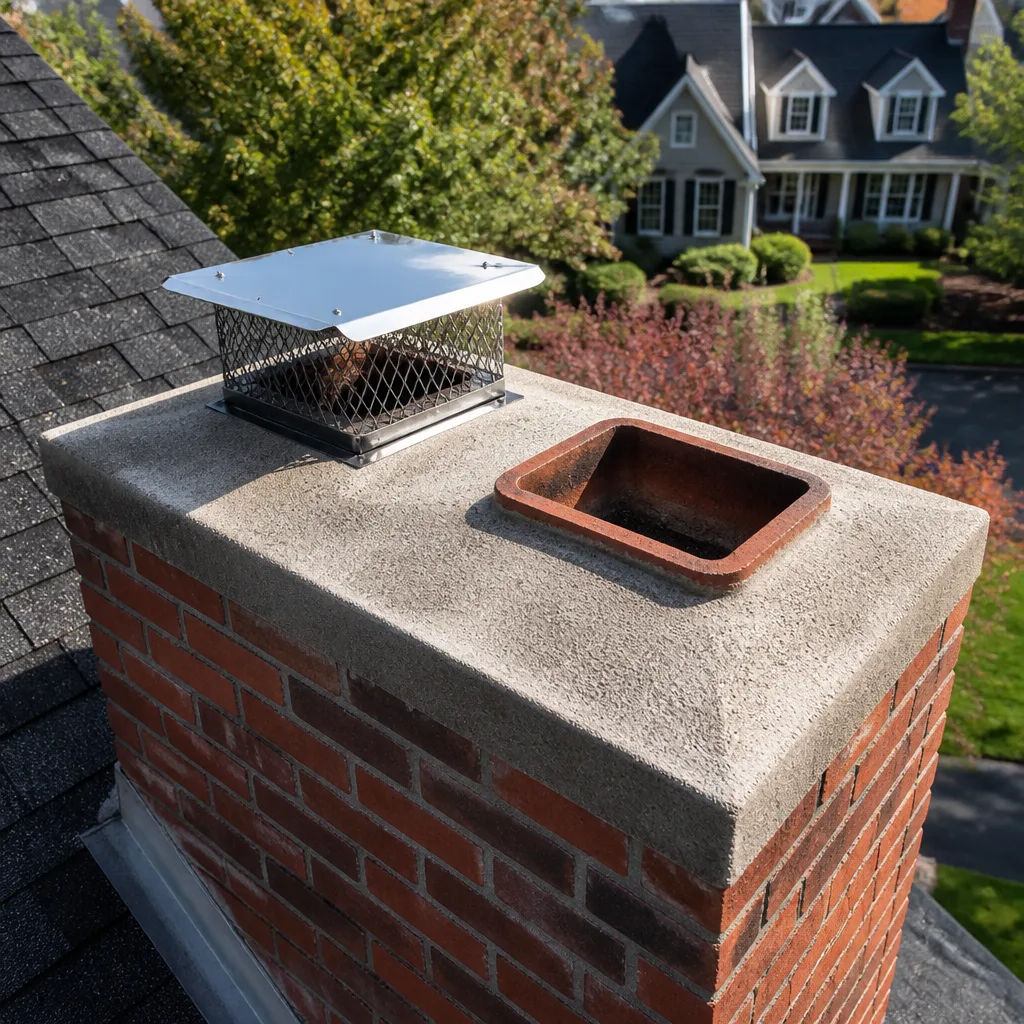 Sweep & inspection
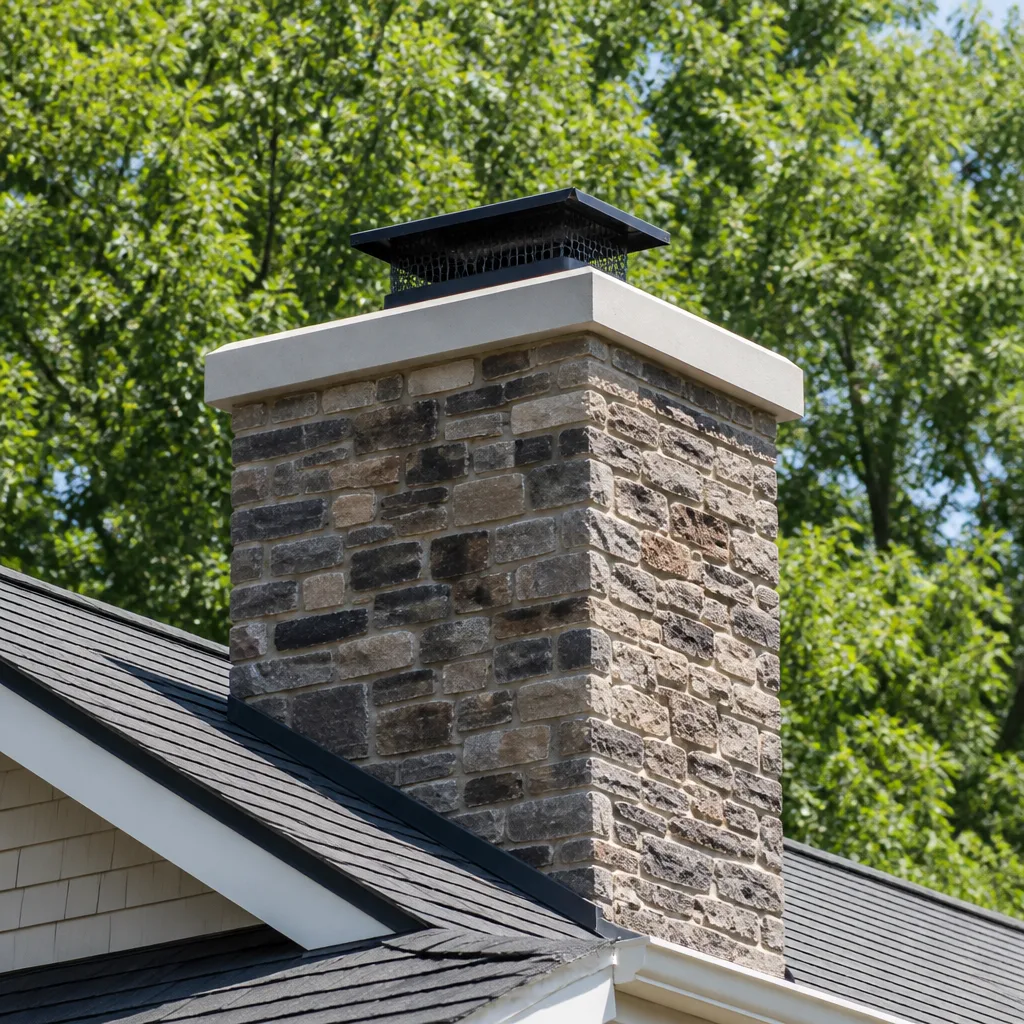 Caps & crowns
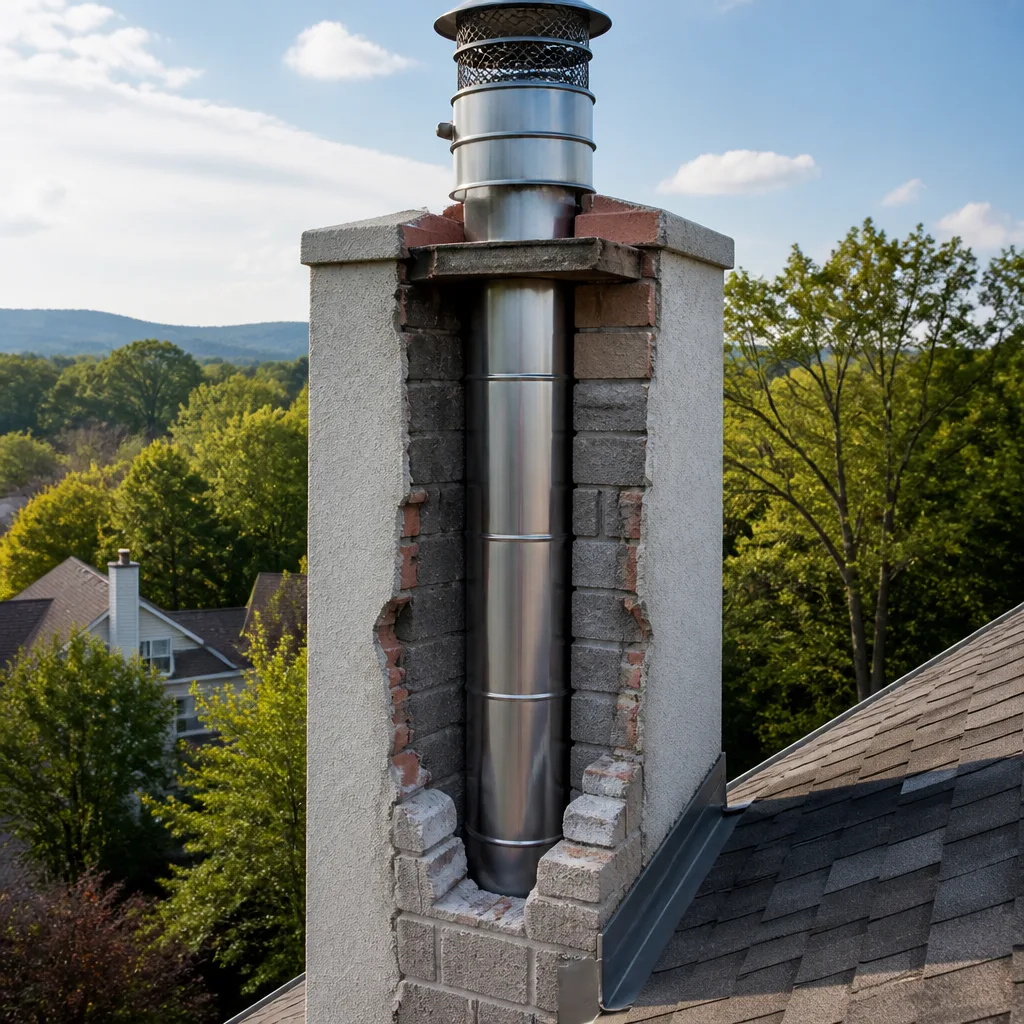 Flue relining
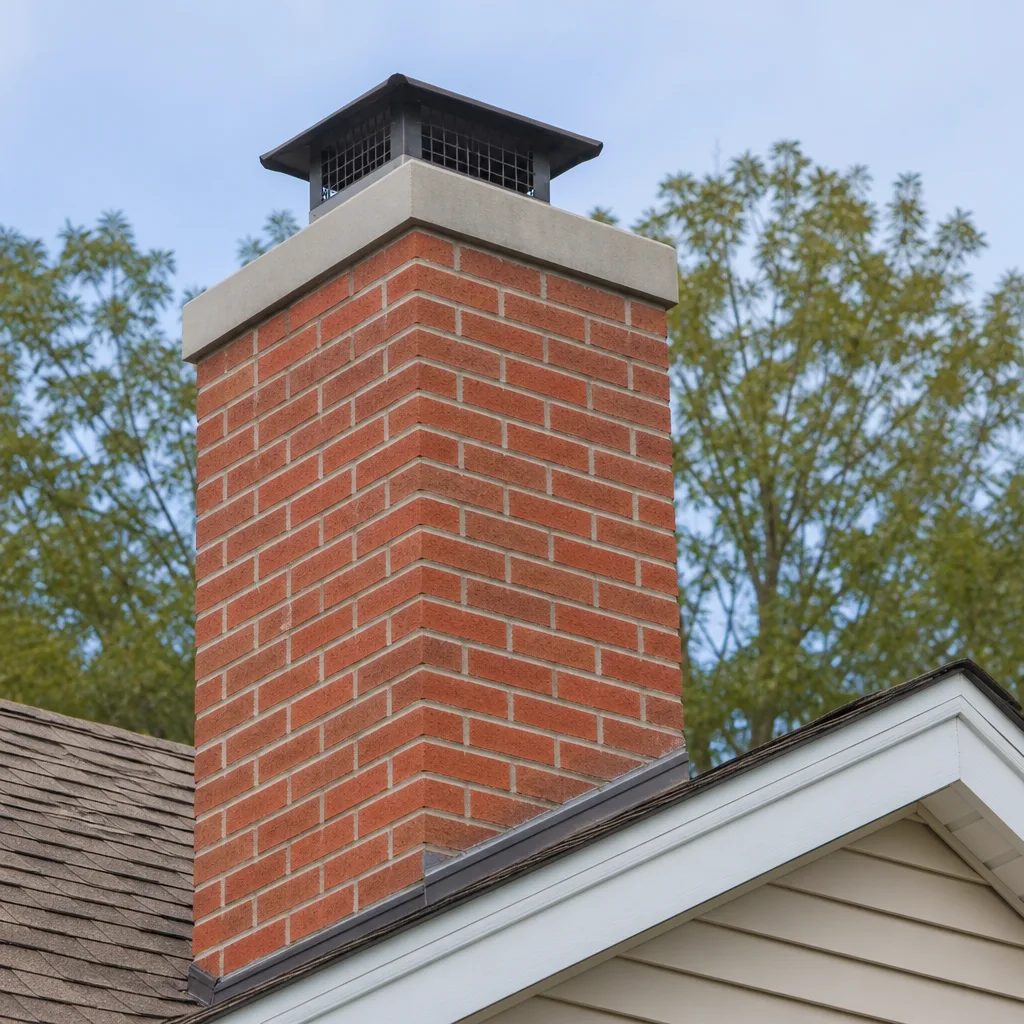 Masonry repair
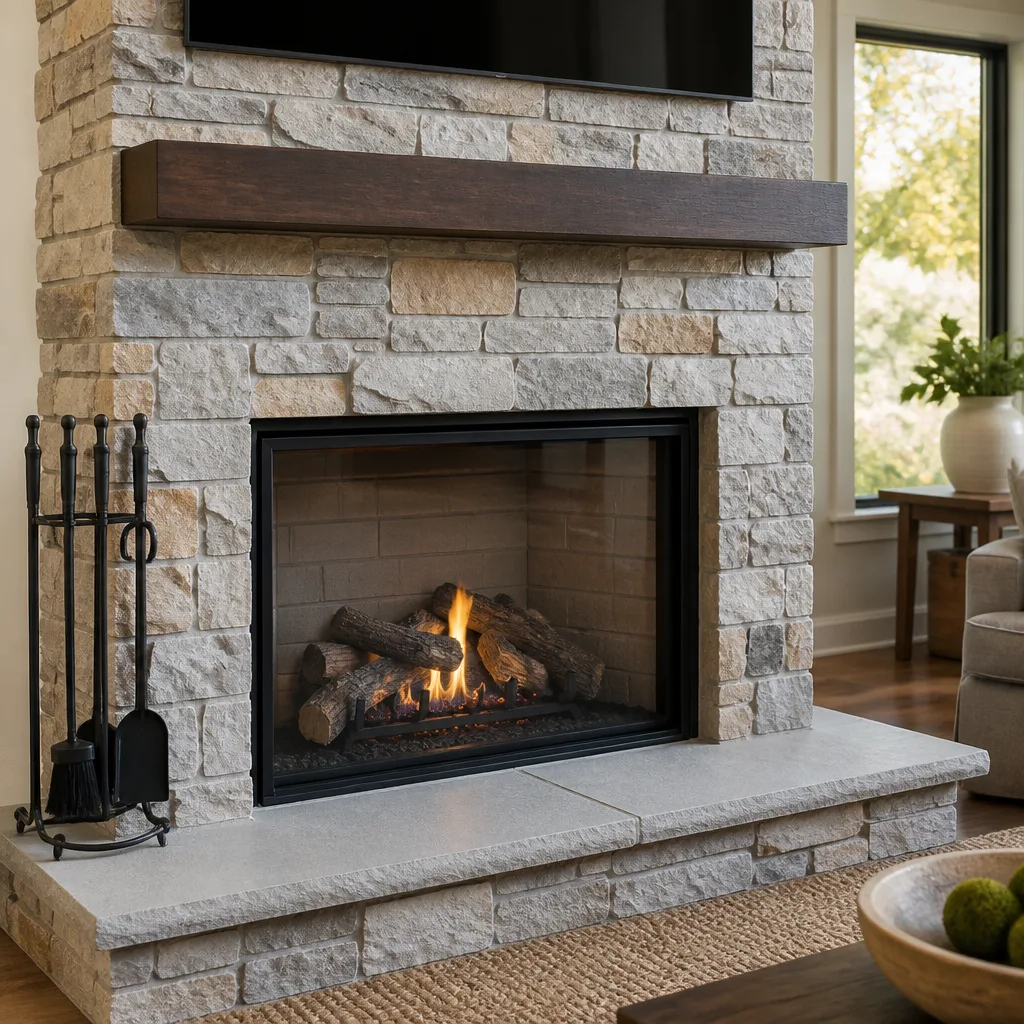 Gas fireplace service
Level 1 sweep and inspection to the NFPA 211 annual standard - flue, crown, cap, and flashing checked and photographed
Chimney sweep logs do not sweep chimneys. They loosen some creosote - which then falls where a brush and vacuum still have to collect it.
Chimney Cleaning Emergency Preparedness Guide for Whittier Homes
Most Whittier homeowners think of chimney cleaning as a fall chore, something you check off before the first fire of the season. But in this city, a dirty or damaged chimney is a year-round structural vulnerability. Whittier’s eastern foothill neighborhoods sit directly against wildland vegetation, and when the Santa Ana winds pick up, embers can travel a mile or more. A chimney with a missing spark arrestor, a cracked crown, or heavy creosote buildup isn’t just a fire hazard on nights you burn wood – it’s an open invitation for an ember you never see coming. This guide walks through exactly how chimney maintenance fits into your emergency preparedness plan, what to do in the first minute of a chimney fire, and how to build documentation that protects you after a wildfire or earthquake.
Styles & brands we work with
- Sweep & inspection
- Caps & crowns
- Flue relining
- Masonry repair
- Gas fireplace service
Quick Answer
Chimney cleaning in Whittier is a structural fire-safety measure, not a cosmetic service. For homes near the eastern foothills, an unmaintained chimney is a documented wildfire vulnerability: embers enter through uncapped or damaged flues, creosote ignites at temperatures well below what a chimney fire produces, and high-wind events create pressure differentials that pull airborne embers down the flue. A clean, properly capped chimney with a functioning spark arrestor reduces that risk substantially and creates the written record you’ll need if fire or earthquake damage ever becomes an insurance claim.
Table of Contents
- Why Whittier’s Fire Risk Profile Makes Chimney Maintenance Different
- How an Unmaintained Chimney Becomes a Wildfire Vulnerability
- What a Chimney Fire Sounds Like: The First 60 Seconds
- Post-Earthquake Chimney Protocol for Whittier Homes
- Five Maintenance Steps That Reduce Wildfire Ember Risk
- Building a Written Record: Documentation for Insurance and Resale
- Creosote 101: What It Is, Why It Builds Up, and Why Whittier’s Climate Matters
- Common Mistakes to Avoid
- When to Call a Professional
- Frequently Asked Questions
- The Bottom Line
Why Whittier’s Fire Risk Profile Makes Chimney Maintenance Different
A house in central Whittier and a house in the eastern foothills have different chimney risks. The central neighborhoods sit on relatively flat ground, surrounded by other structures. But the homes along the eastern edge, up against the Puente Hills, border what fire agencies call the wildland-urban interface. That’s the zone where residential development meets open vegetation, and it’s where ember-driven structure ignition becomes the dominant fire threat.
Here’s what that means in practical terms. During high-wind events, burning material doesn’t need to reach your house as a wall of flame. An ember the size of a quarter, carried by wind, can land on a roof, settle into a chimney chase, or get pulled down an uncapped flue. CalFire’s defensible space guidance covers vegetation management and exterior hardening, and one of the specific vulnerabilities they identify is open chimneys without spark arrestors. A chimney cap with an integrated spark arrestor is not an accessory. In Whittier’s foothill zones, it’s a structural requirement for wildfire resistance.
What many homeowners don’t realize is that creosote amplifies this risk. Creosote is a combustion byproduct that condenses on the inside of the flue as smoke cools. It’s flammable at around 450 degrees Fahrenheit. A live ember entering the flue doesn’t need to be large to ignite a creosote deposit. And once creosote ignites, it burns hot enough to crack clay flue liners, warp metal liners, and spread heat into the surrounding framing.
This is why we treat chimney maintenance in Whittier as part of the home’s exterior fire defense, not just as seasonal upkeep. The two jobs are the same job when you live this close to wildland.
How an Unmaintained Chimney Becomes a Wildfire Vulnerability
There are three specific mechanisms that turn a neglected chimney into an ember entry point, and each one operates differently depending on the condition of your system.
Damaged or missing caps. The cap sits at the top of the flue and does two jobs: it keeps rain and animals out, and it holds a spark arrestor mesh that blocks embers from entering. A cap that’s rusted through, blown off, or missing entirely leaves the flue open. And in Whittier, rust is a slow but steady problem. We’re far enough inland that marine corrosion isn’t a factor, but the temperature swings between hot summers and cool nights create condensation inside the flue, which accelerates rust on steel caps over time.
Creosote ignition from airborne embers. Even with a cap in place, a spark arrestor with openings too large, or one that’s clogged with soot and debris, can still let smaller embers through. If those embers land on a creosote-lined flue wall, they can ignite it. A flue that hasn’t been swept in years carries more fuel than you want to think about.
Pressure-driven backdraft during high winds. Whittier gets strong Santa Ana events, usually in the fall, and those winds don’t just blow across the top of your chimney – they create pressure differentials. Wind moving horizontally over a chimney opening can create a venturi effect, effectively pulling air down the flue. If that air is carrying embers from a nearby brush fire, the chimney becomes a conduit directly into the house. A clean flue with a properly functioning cap reduces this exposure, because there’s less fuel and a better physical barrier.
The takeaway is straightforward: every part of the chimney that’s damaged or dirty increases the number of ways a distant fire can find its way inside your home.
What a Chimney Fire Sounds Like: The First 60 Seconds
Most people have never experienced a chimney fire, and the descriptions they’ve read don’t prepare them for how loud and sudden it is. In our experience, the sound is the thing homeowners remember.
A chimney fire often starts with a low rumble or a crackling sound coming from inside the flue, but it can accelerate quickly into something that sounds like a freight train or a jet engine passing low over the house. You may hear popping from inside the firebox, and in a strong fire, you’ll see dense dark smoke pouring from the chimney top, and sometimes flames shooting out the top of the flue. The exterior of the chimney chase may get hot to the touch.
Here’s what to do in the first sixty seconds, in order:
- Get everyone out of the house. Start now. Do not finish this list before you begin getting people out.
- Call 911 from outside. Do not attempt to extinguish a chimney fire before calling. The fire department needs to respond regardless of what you do next, and structural fires can spread into wall framing faster than you expect.
- Close the fireplace damper if you can do so safely. This reduces the oxygen supply to the fire. If the fire has already spread or you’re unsure, leave it alone.
- Do not throw water into a hot fireplace. Water on a hot flue can crack masonry and create a steam explosion in a confined space. It’s a common instinct and it’s dangerous.
- If you have a chimney fire extinguisher stick, and only if you’re trained to use it, you may deploy it. But never delay evacuation or the 911 call for this step.
Chimney fires are not something you put out on your own. The correct protocol is evacuation first, 911 second, and fire department clearance before you use the fireplace again. After any chimney fire, the system must be inspected by a qualified chimney professional before any further burning. A chimney fire can crack flue liners invisibly, and the next fire could then spread into the house.
Post-Earthquake Chimney Protocol for Whittier Homes
Whittier sits in seismically active Southern California, and earthquakes are a fact of life here. A masonry chimney is one of the most vulnerable parts of a house during a seismic event. It’s heavy, it’s rigid, and it’s attached to a structure that moves in directions the masonry doesn’t want to go.
After any earthquake strong enough to rattle dishes or knock things off shelves, treat the chimney as potentially compromised until inspected. The rule is simple: if you felt the earthquake strongly enough to wonder about it, do not use the fireplace until a qualified chimney professional has looked at it.
A post-earthquake inspection looks for things a homeowner cannot easily see from the ground:
- Cracks in the flue liner. The clay liners inside a masonry chimney can crack under lateral movement. These cracks may not be visible from outside, but they create a direct pathway for heat and embers to reach the wood framing around the chimney chase.
- Separation between the chimney and the house structure. Movement can open a gap where the chimney passes through the roofline. This gap can allow embers into the attic space and compromises the structural connection.
- Damage to the crown. The concrete crown at the top of the chimney can crack or shift. A damaged crown lets water in, which then degrades the mortar and liners over time.
- Loose or displaced caps and spark arrestors. A cap that shifts during an earthquake may no longer block embers effectively.
- Damage to the chimney chase on a prefab system. Prefabricated metal chimney systems have their own seismic failure modes, including separation at connection joints.
Part of the challenge is that earthquake damage often isn’t visible from the ground, and it doesn’t always present as an obvious crack across the face of the chimney. A camera inspection of the interior flue walls is the only way to see what actually happened inside. That’s part of why a professional chimney sweep in Whittier includes interior flue evaluation as part of the service, not just surface cleaning.
Five Maintenance Steps That Reduce Wildfire Ember Risk
If you live in one of Whittier’s foothill-adjacent neighborhoods, here are the five specific maintenance actions that reduce ember intrusion risk, in order of impact.
- Install or replace the spark arrestor. A spark arrestor is a fine metal mesh, usually integrated into the chimney cap, that blocks embers from entering the flue. CalFire and local building codes in wildland-urban interface zones require spark arrestors that meet the relevant mesh size. If you don’t have one, or the mesh is damaged or missing, this is the single highest-impact upgrade you can make.
- Inspect and seal the crown. The crown is the concrete slab that sits at the top of the chimney and sheds water away from the flue. A cracked crown lets water in, which degrades the mortar joints and can compromise the flue’s structural integrity during a fire event. A contractor-grade crown seal corrects this before it becomes a structural problem.
- Verify the cap is solid and properly fitted. A cap that’s loose, rusted, or improperly sized doesn’t just fail to block embers – it can also fail under high winds. A matched, purpose-built cap, installed correctly, survives both wind and seismic movement better than a generic hardware-store replacement.
- Keep the flue swept. An ember that gets past the spark arrestor, or an ember that lands in the flue through a compromised cap, has one job: finding something to ignite. A clean flue gives it nothing. A creosote-lined flue does the opposite. Annual sweeping is the minimum for homes that burn wood regularly, and more frequent cleaning is appropriate for heavy-use seasons.
- Close the damper when the fireplace is not in use. This is the simplest step and the most often forgotten. A closed damper blocks the draft path that pulls air, smoke, and embers down the flue. During high-wind events, an open damper in an unused fireplace is an active ember intake.
None of these steps are theoretical. Each one addresses a specific failure mode that fire investigators have documented in wildland-urban interface fires. And while no maintenance step eliminates all risk, a chimney with all five in place is dramatically less vulnerable than one without.
Building a Written Record: Documentation for Insurance and Resale
Here’s something most chimney maintenance guides skip: the paper trail. After a fire or a major earthquake, your insurance claim depends on documentation. You can’t go back in time and prove the chimney was clean and properly capped if you never kept a record.
A written record of chimney service serves three purposes:
- Insurance claims. If a wildfire ember intrusion or a chimney fire causes damage, your insurer will want to know the condition of the chimney before the event. A dated service record showing recent sweeping, cap inspection, and spark arrestor verification is direct evidence that the system was maintained.
- Earthquake documentation. Post-earthquake inspections often find damage that predates the event. If you have records showing the chimney was in good condition before the earthquake, it’s easier to attribute the damage correctly.
- Resale value. Whittier homebuyers in foothill neighborhoods increasingly ask about fire preparedness. A chimney service history is one more piece of evidence that the home was maintained correctly.
Keep it simple. After each service, retain the written report. It should include the date, the specific work performed, the condition found, and any repairs or component replacements completed. Store it with your homeowner’s insurance documents. If you’re a homeowner who burns wood regularly, this record should be added to annually.
The same principle applies to your dryer vent. Dryer vent cleaning is a separate fire risk from the chimney, but the documentation logic is identical. A clogged dryer vent is one of the leading causes of residential fires, and a documented cleaning history establishes that you’ve addressed it. One call covers both systems, which simplifies the record-keeping.
Creosote 101: What It Is, Why It Builds Up, and Why Whittier’s Climate Matters
Creosote is the villain in every chimney fire story, but most homeowners know almost nothing about how it actually forms. Here’s the short version: when wood burns, it releases smoke containing unburned particles, tar, and moisture. As that smoke rises and cools against the flue walls, those particles condense into a residue. That residue is creosote.
Creosote has three stages. First-stage creosote is a light, flaky soot that brushes off relatively easily. Second-stage is a tar-like glaze that bakes onto the flue and requires mechanical removal. Third-stage is a hard, shiny, baked-on layer that forms when second-stage creosote is repeatedly exposed to high heat. Third-stage creosote is extremely difficult to remove and extremely flammable.
Whittier’s climate plays a specific role here. We don’t get the freeze-thaw cycles or deep cold that some regions do, but we do get cool nights during the winter burning months, and those cool nights matter. When the outside air is cool, the upper portion of the flue is cooler, which causes smoke to condense faster. That means creosote accumulation is most aggressive during the exact months when Whittier homeowners burn the most wood. A chimney that runs hot and clean in January may still accumulate creosote faster than you expect in December, simply because the temperature differential is steeper.
There’s no shortcut here. The only way to know how much creosote you’re carrying is to look at the flue. A professional chimney sweep in Whittier evaluates the full run of the flue, not just the portion visible from the firebox.
Common Mistakes to Avoid
- Using the fireplace as a yard-waste incinerator. Burning trash, cardboard, wrapping paper, or yard clippings creates unpredictable combustion temperatures and accelerates creosote formation. Only burn seasoned firewood. Whittier’s brush clearance rules exist for a reason, and those materials belong in the green waste bin, not the firebox.
- Assuming a chimney cap is permanent. Caps fail. They rust, they shift in wind, and they get knocked loose during earthquakes. A cap that was fine five years ago may not be fine today. Include cap inspection in your annual sweep and replace the cap when it shows signs of degradation.
- Burning wood after an earthquake without an inspection. We covered this above, but it bears repeating. A chimney that moved during a seismic event is not safe to use until inspected. The cost of an inspection is trivial compared to the cost of a structural fire.
- Cleaning the chimney yourself with a brush from the roof. This isn’t about gatekeeping. It’s about the fact that a chimney sweep from the roof requires climbing onto a roof you may not be trained to work on, and it doesn’t give you any information about the interior flue condition. A professional sweep includes an evaluation you can’t replicate from above.
- Treating the chimney and the dryer vent as unrelated systems. They share a house and they share a fire-risk profile. If you’re already thinking about fire safety, address both. Most chimney-only companies don’t touch dryer vents, and most dryer-vent services don’t touch chimneys. It’s worth finding a single provider who does both.
- Waiting until fall to think about chimney maintenance. In Whittier, the highest-wind months are typically October through December. If your chimney is dirty and uncapped when the Santa Ana season starts, you’ve already lost the safety window. Schedule maintenance in late summer or early fall, before the winds arrive.
When to Call a Professional
Some situations are obvious: you smelled smoke in the house, you heard a loud rumble in the flue, or you felt an earthquake strong enough to make you check on the structure. Those are calls you should make immediately.
But there’s a longer list of quieter reasons to bring in a professional. You haven’t used the fireplace in years and don’t know the condition of the flue. You bought the home and have no service history from the previous owner. You see daylight through cracks in the cap or crown from the ground. You’ve noticed a lingering smoky smell even when the fireplace isn’t in use. You burn wood regularly and know it’s been more than a year since the last sweep. Any of these is sufficient reason to schedule an evaluation.
Chimney Sweep Whittier offers free estimates throughout Whittier. Call (866) 361-2279. We answer 24/7. Fast dispatch from 7am to 7pm, Sunday through Friday.
Frequently Asked Questions
At minimum, once per year if you burn wood regularly. Homes in Whittier’s foothill-adjacent neighborhoods should also have the cap and spark arrestor inspected during that annual visit, because ember intrusion risk is a bigger factor than it is in the central city. If you burn heavily through the winter months, or if you notice thick smoke escaping the chimney top, more frequent sweeping may be appropriate. A visual inspection after the first sweep will give you a baseline. Call (866) 361-2279 to schedule, and we can give you an honest read on what your usage pattern actually requires.
Yes, especially if you live near the eastern foothills. A spark arrestor is a fine mesh screen that blocks embers from entering the flue, and it’s one of the specific hardening measures recommended under CalFire defensible space guidance for wildland-urban interface neighborhoods. Even if you never burn wood and the fireplace is ornamental, an uncapped flue is an open pathway for wind-driven embers during Santa Ana events. The cap also keeps animals and rain out, which protects the flue in every season.
Creosote accumulates. The volume depends on how much you burn and how hot the fires are, but over multiple seasons, a layer builds up on the flue walls that becomes increasingly flammable. At the same time, any existing cap damage or crown cracking goes unaddressed, which compounds the ember intrusion risk. The system doesn’t fail all at once: it becomes progressively more vulnerable each year. The worst-case scenario is a chimney fire that spreads into the house structure. The best-case scenario is that you need a more involved cleaning at a later date. Neither is a good trade. Call (866) 361-2279 and get current condition documented before another season passes.
It’s one part of the broader picture, and it’s a meaningful one. A clean flue gives wind-blown embers less material to ignite. A properly functioning spark arrestor blocks most embers from entering in the first place. A solid crown and cap prevent moisture intrusion that weakens the system over time. These are not substitute measures for defensible space vegetation management, and they don’t address roofing or eave vulnerabilities. But they address the specific pathway through the chimney, which is one of the documented structure-ignition vectors in wildland-urban fires.
Pricing is set per job by written estimate, because the time required depends on the condition of the flue, the height of the chimney, and whether any repairs are needed. What we can tell you is that the estimate is free and there’s no obligation. When our technician arrives, they’ll evaluate the full system and give you the written estimate before any work begins. That way you know the exact number before you approve anything. Call (866) 361-2279 to set up a free estimate.
A post-earthquake inspection looks for damage that isn’t visible from the ground. The interior flue liner is the primary concern: clay liners crack under lateral movement, and those cracks create heat and ember pathways into the framing. The inspection should also check the crown, the cap and spark arrestor, the connection points where the chimney passes through the roofline, and the structural connection between the chimney and the house. In some cases, the damage is only visible with a camera inspection of the interior flue. If you felt the earthquake strongly enough to wonder about it, the fireplace should be out of service until the inspection clears it.
The Bottom Line
Whittier sits close enough to wildland that chimney maintenance belongs in the same category as brush clearance and defensible space. A clean, properly capped chimney with a functioning spark arrestor closes one of the specific pathways that let embers into a house during high-wind fire events. And after an earthquake, that same chimney needs to be verified structurally sound before it’s used again. The annual sweep is the foundation: it cleans the fuel, inspects the hardware, and creates the written record that supports you if something goes wrong. Treat the chimney not as a seasonal chore, but as part of how you harden your home against the specific risks this city faces.
Written by the team at Chimney Sweep Whittier, serving Whittier since 2014.
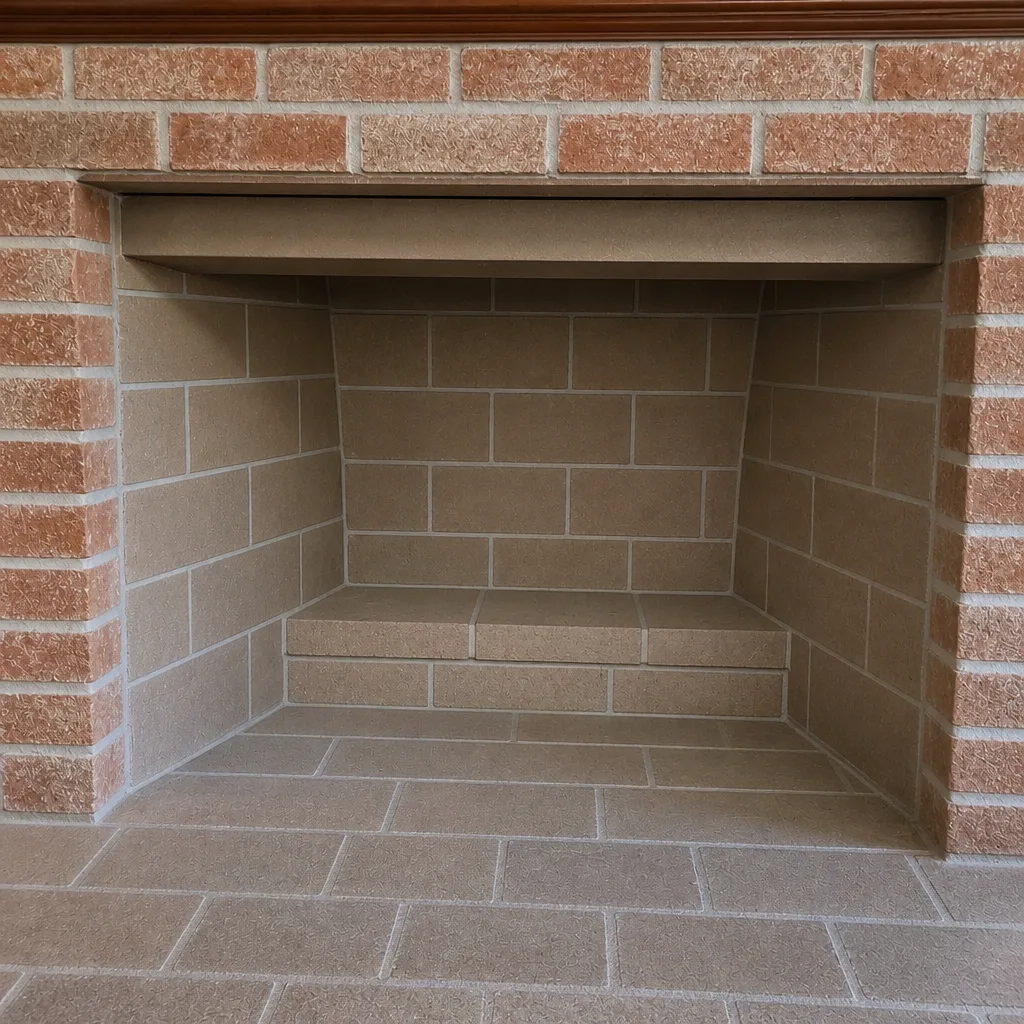
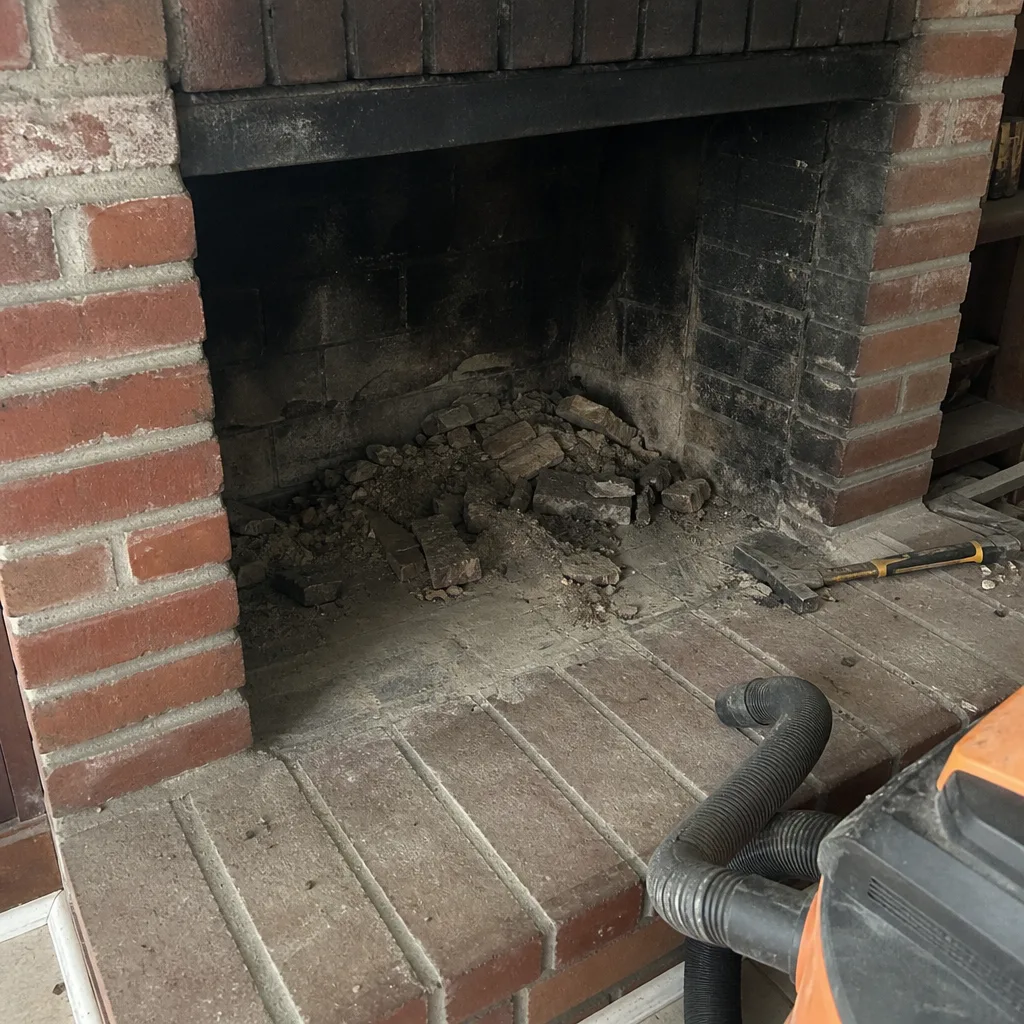
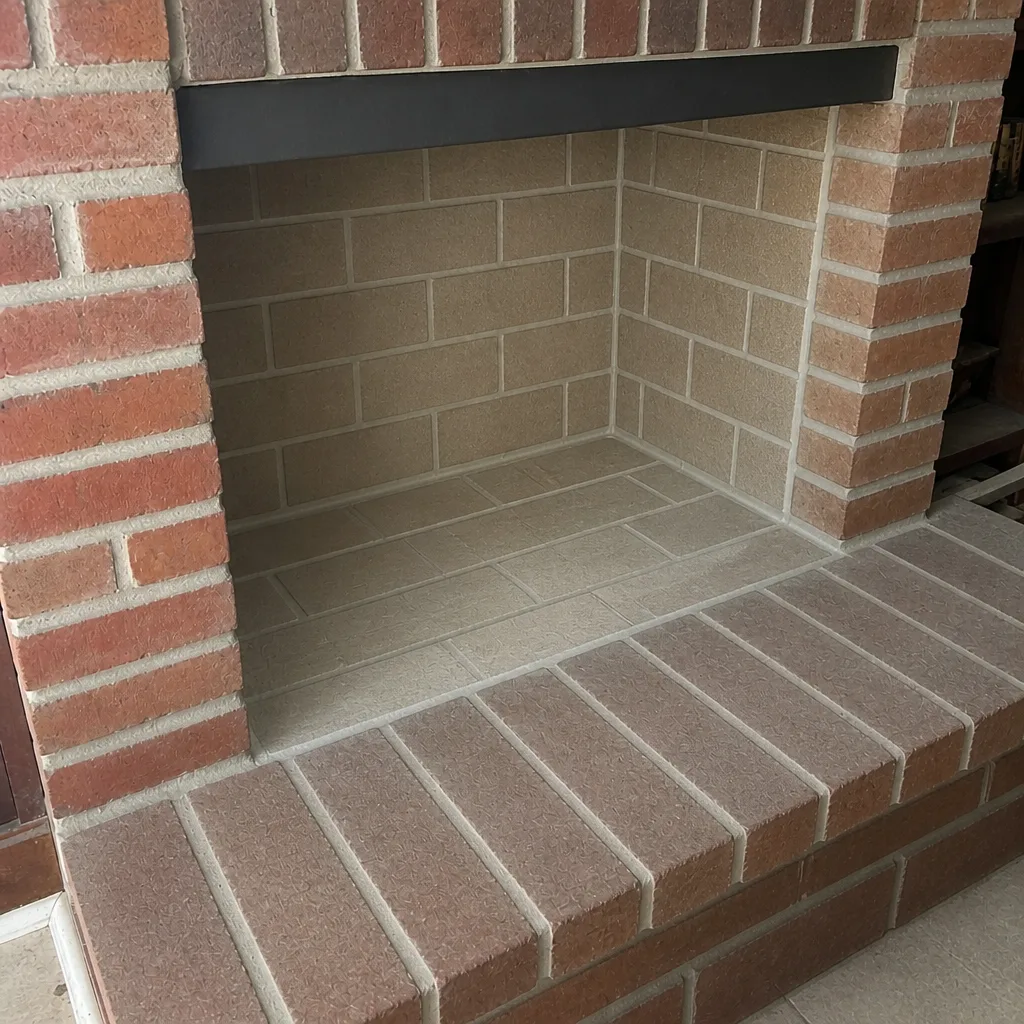
See the difference
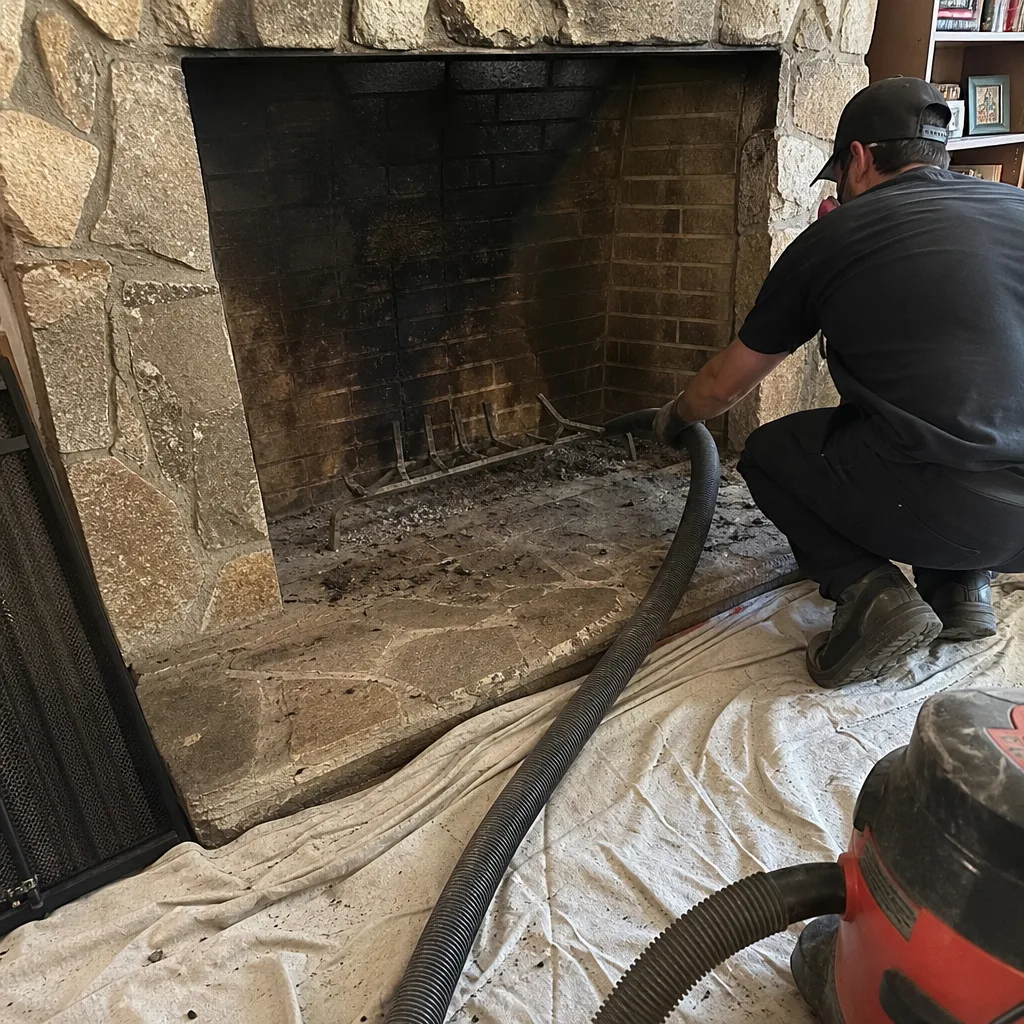 Before
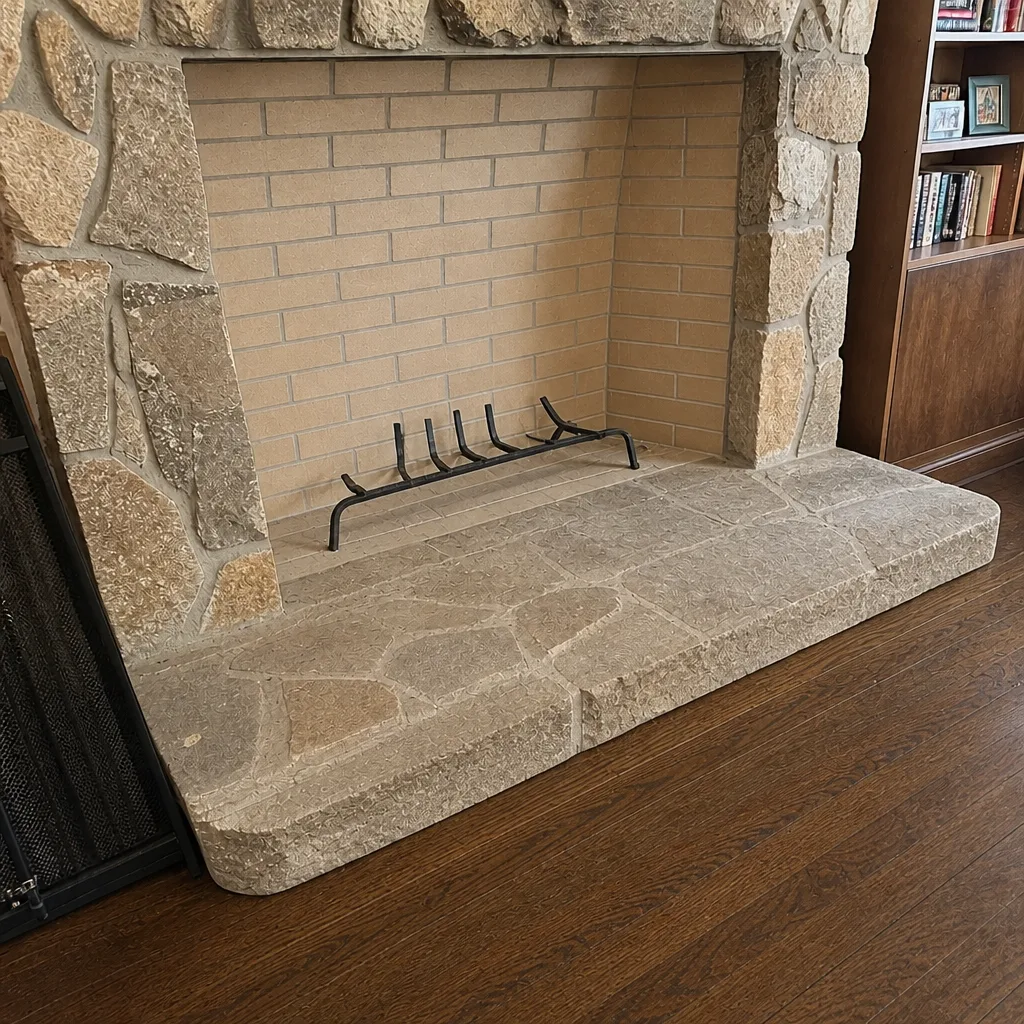 After
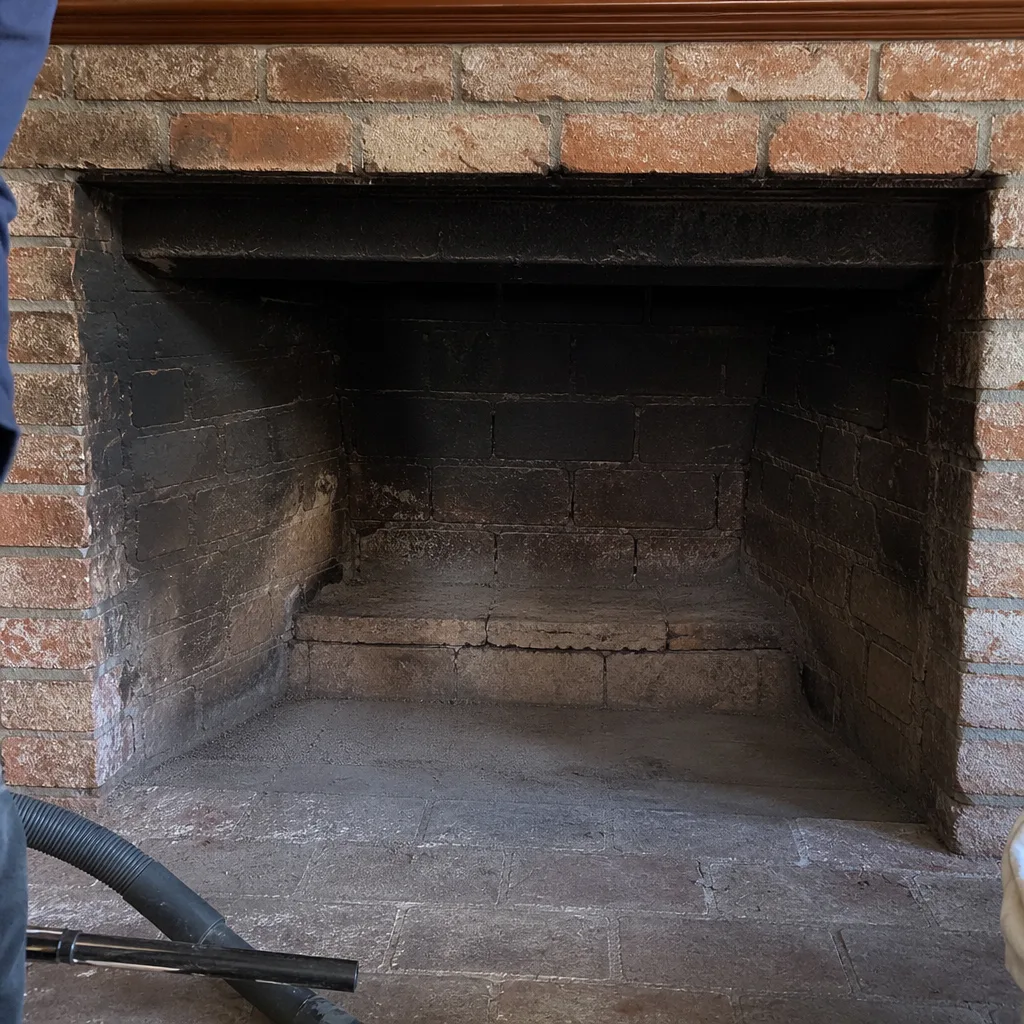 Before
 After
 Before
 After