
Last updated November 4, 2026
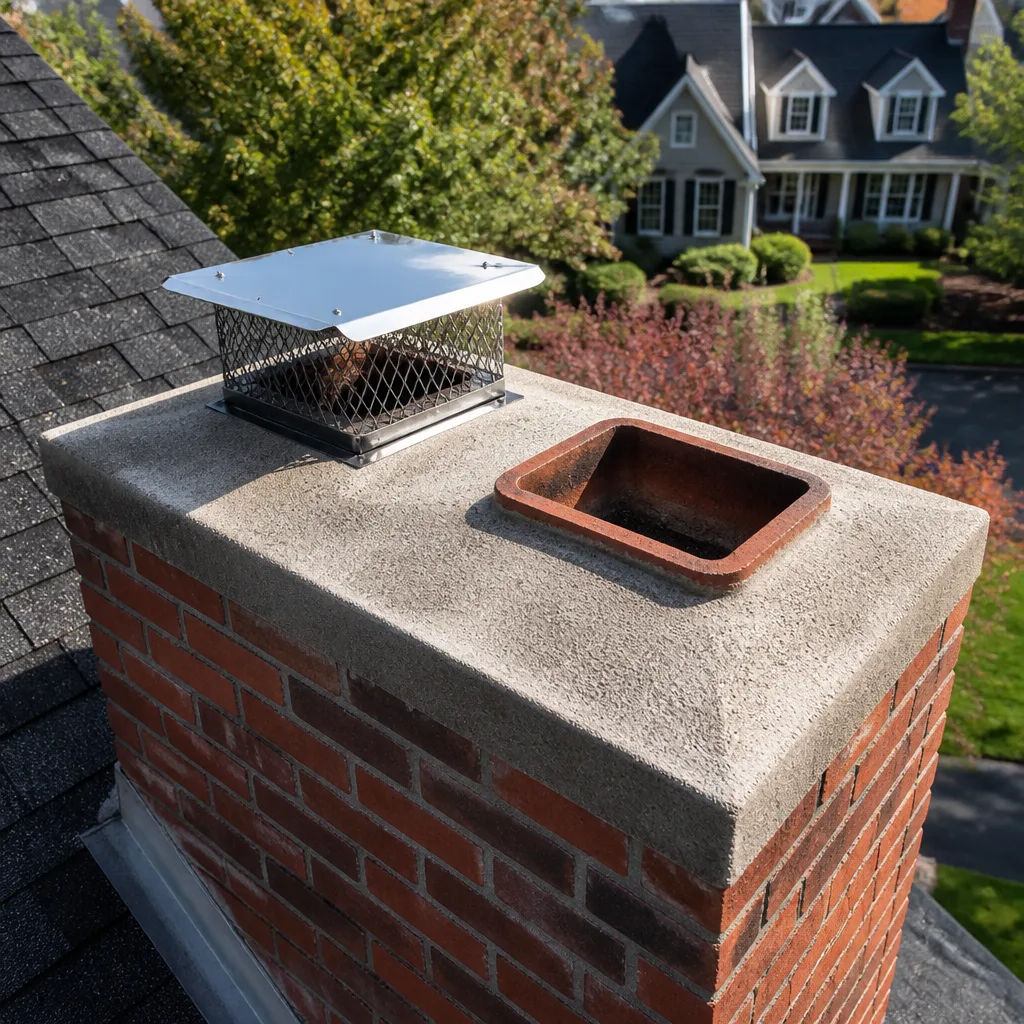 Sweep & inspection
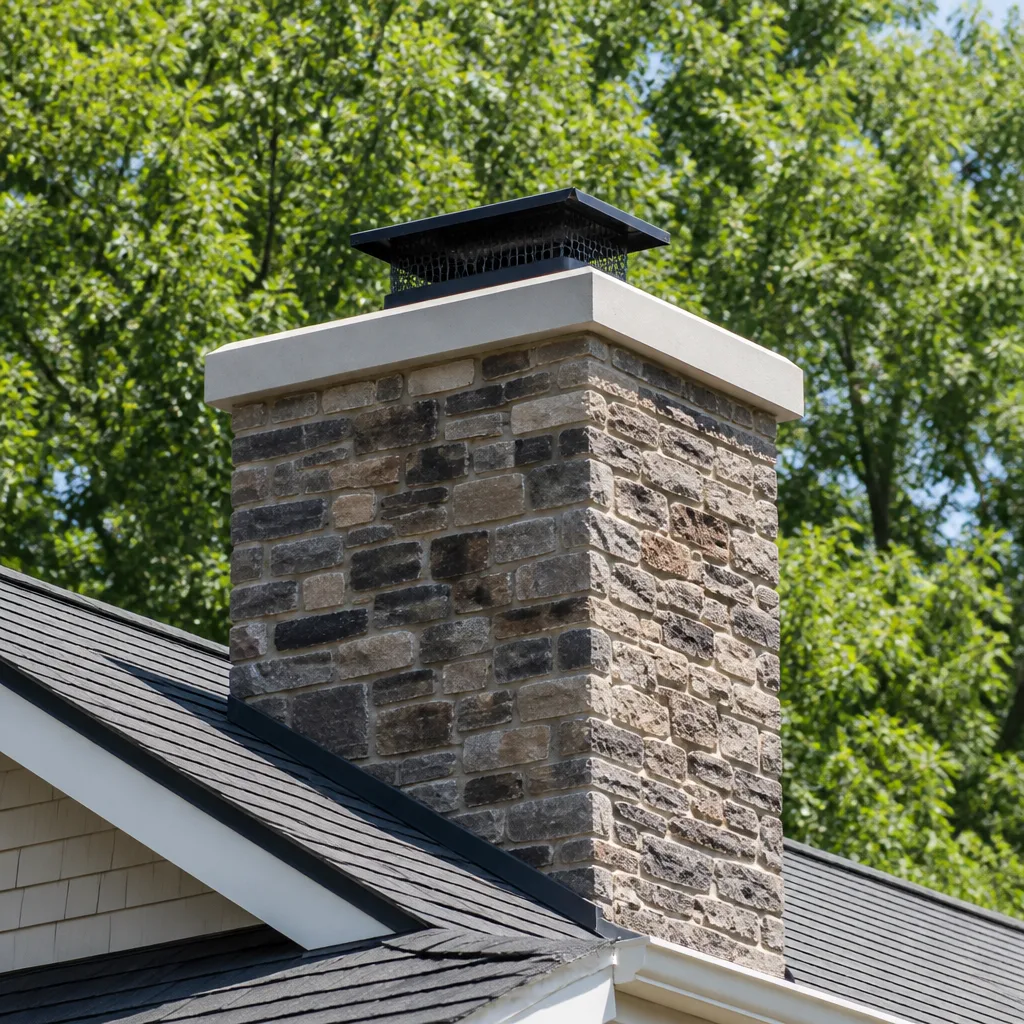 Caps & crowns
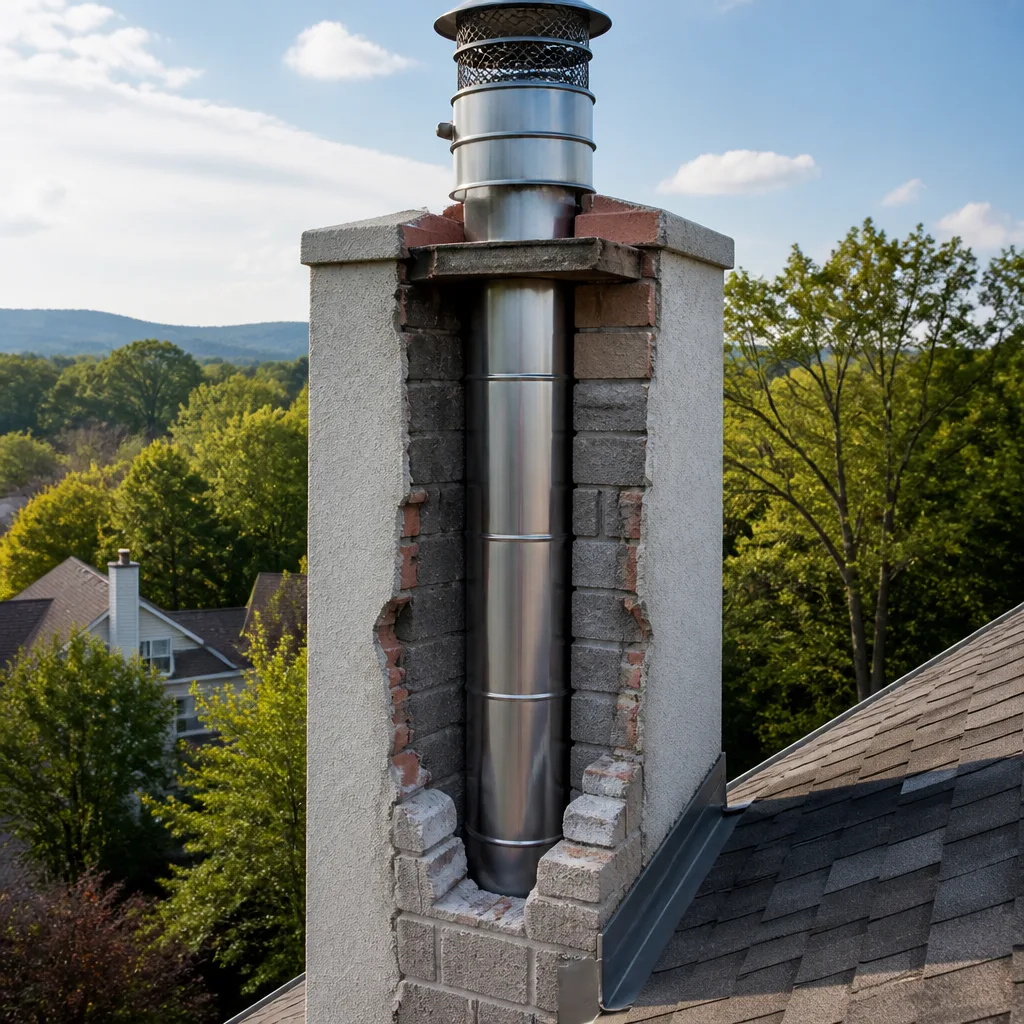 Flue relining
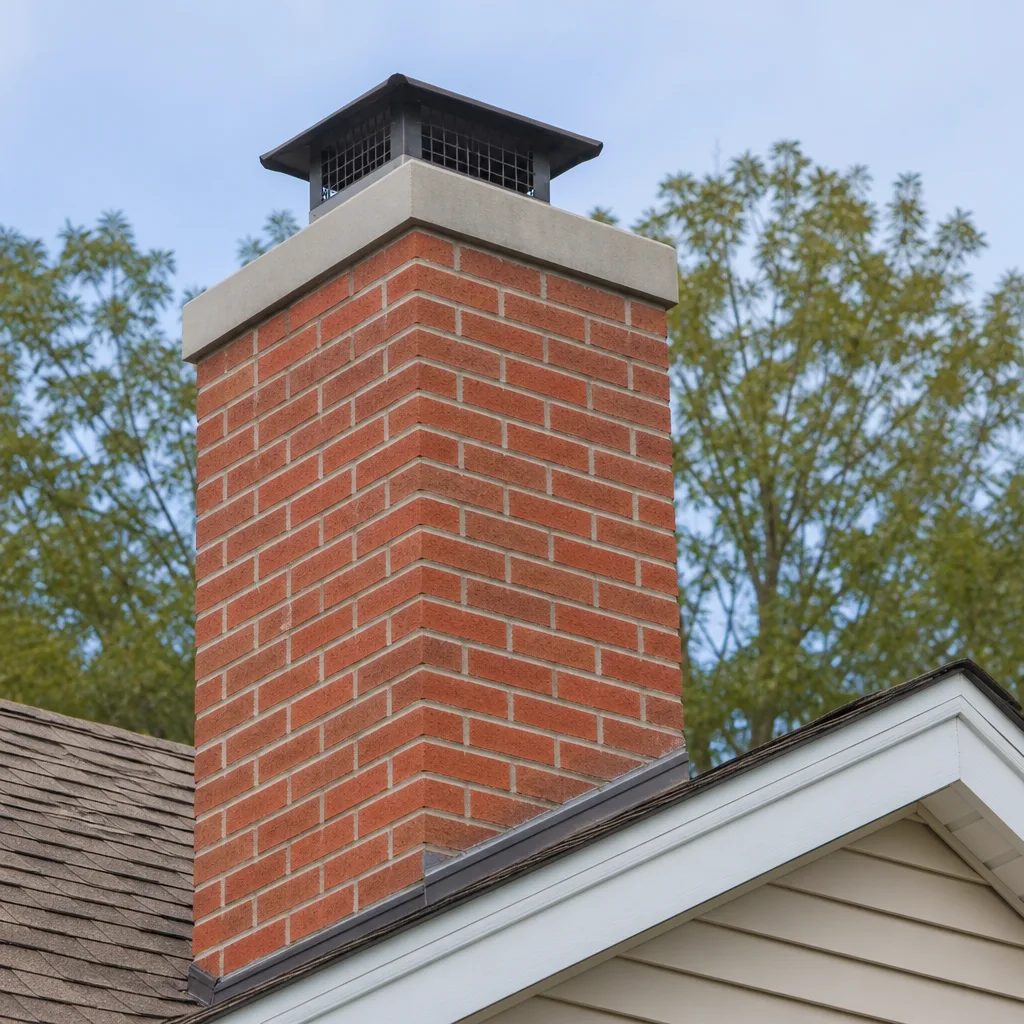 Masonry repair
 Gas fireplace service
Level 1 sweep and inspection to the NFPA 211 annual standard - flue, crown, cap, and flashing checked and photographed
Chimney sweep logs do not sweep chimneys. They loosen some creosote - which then falls where a brush and vacuum still have to collect it.
Chimney Sweep Maintenance Checklist for Whittier Homeowners
Most chimney maintenance advice online is written for houses in New England or the Midwest, where freeze-thaw cycles and ice dams are the primary enemies. A chimney in Whittier faces a different set of problems: dry Santa Ana winds, seismic shifts, and long stretches where the fireplace sits idle while the surrounding brush gets drier. The result is that many local homeowners learn the hard way that a chimney can look fine from the street while the parts that actually matter are quietly degrading. This guide walks you through a component-by-component checklist calibrated to what actually fails in Whittier chimneys, so you can catch problems before they become structural repairs.
Quick Answer
A proper chimney maintenance checklist for Whittier homeowners covers seven components: the cap, crown, flashing, liner, damper, firebox, and smoke shelf. Most of these can be visually assessed from ground level with binoculars or a phone camera, but the liner and smoke shelf require a professional camera inspection. Whichever parts you inspect yourself, do it before burning season starts in the fall, and document everything with dated photos so you have a baseline to compare against next year.
Styles & brands we work with
- Sweep & inspection
- Caps & crowns
- Flue relining
- Masonry repair
- Gas fireplace service
Table of Contents
- The Chimney Cap: Your First Line of Defense
- The Crown: Where Whittier Sun Does Its Damage
- Flashing: The Roof-to-Chimney Connection
- The Liner: What You Cannot See from Below
- The Damper and Firebox: What Burning Tells You
- The Smoke Shelf and Flue Path: The Hidden Middle
- How to Document Chimney Condition Year Over Year
- Maintenance Intervals for Whittier’s Climate
The Chimney Cap: Your First Line of Defense
The chimney cap is the single most neglected component on Whittier homes. It sits at the very top of the flue, exposed to direct sun, wind, and whatever blows through the neighborhood during a Santa Ana event. When a cap rusts through or blows off entirely, the chimney becomes an open pipe: leaves, twigs, bird nests, and rain all enter the flue directly. From there, debris blocks the draft or becomes fuel, and moisture accelerates liner deterioration. In our experience, a cracked or missing cap is the leading entry point for the kind of damage that eventually requires a liner replacement, a job that often runs several thousand dollars in Southern California.
What you can check from ground level:
- Use binoculars or a phone camera zoomed in. Look for the cap itself: is it still there? Is it sitting level, or tilted?
- Look for rust streaks running down the cap sides or onto the flue tile. Rust means the metal is thinning.
- Check the mesh screen. If the screen is pulled away from the frame, birds have likely tried to get in. A torn screen is an entry point for embers and nesting material.
- After a strong wind event, check again. The Santa Anas can loosen a cap that was only marginally attached.
If the cap is gone or badly degraded, the repair is straightforward when addressed early. We stock and install Gelco chimney caps, which are matched, purpose-built hardware rather than a generic replacement from a big-box shelf. A proper cap fits the flue tile dimensions and includes the right screen geometry for both spark arrest and draft. That last point matters more than most homeowners realize: a poorly fitted cap can restrict the draft and push smoke back into the living room. The right cap keeps debris out without stranding the smoke inside.
The Crown: Where Whittier Sun Does Its Damage
The crown is the concrete or masonry slab that caps the top of the chimney structure itself, not the flue. Its job is to shed water away from the flue tiles and the brick below. In Whittier’s climate, the crown’s primary enemy is not cold weather but continuous exposure to intense sun. Over years, concrete expands and contracts with temperature swings. Hairline cracks appear. Those cracks then widen, and water enters the masonry below the crown, softening mortar joints and eventually causing brick spalling.
The checklist approach to the crown:
- From the ground, look at the crown’s surface. It should have a slight slope away from the flue. If it looks flat, water is pooling rather than shedding.
- Look for hairline cracks. You will likely need to zoom in with a phone camera or use binoculars. Even a crack the width of a pencil lead is a water entry point.
- Note whether the crown is pulling away from the flue tile. A visible gap means water runs directly down the outside of the flue inside the chimney chase.
- Look for chunks of the crown’s edge that have spalled off and fallen onto the roof or into the gutter.
- Rust on any exposed flashing surface. In Southern California’s dry air, rust can take years to develop, but once it starts, the metal has reached the end of its life.
- Caulk or sealant around the flashing edge. If it looks like a dried riverbed full of cracks, water is getting under it.
- Gaps between the flashing and the chimney brick or the roof shingles. Any daylight through that joint is a leak in waiting.
- Staining on the ceiling near the fireplace inside the house. Stains on the ceiling, especially after a heavy winter rain, most often originate at the flashing, not the bricks.
- Flakes of clay tile in the firebox. If you find small, flat pieces of reddish-brown material that look like broken pottery, that is your liner shedding its surface.
- White staining, called efflorescence, on the exterior chimney brick. It tells you moisture is moving through the masonry, and that moisture eventually attacks the liner from the outside.
- Smoke that enters other rooms or the smell of smoke inside the house when the fireplace is not lit. A liner breach lets flue gases move into wall cavities.
- A fire that burns listlessly or smokes back into the room, even with a clean flue and an open damper. A liner with a shifted tile interrupts the draft.
- Open and close it fully. It should move smoothly without grinding or sticking.
- With the fireplace cold, look up at the damper with a flashlight. You should see a clean metal surface. Heavy rust or warped edges mean the damper is on its way out.
- When the damper is closed, it should seal reasonably well. A damper that never seals lets conditioned air escape up the chimney all summer, and worse, it lets Santa Ana winds push dust and embers into the house.
- Look at the firebox walls. The firebrick should be flat and intact. Spalled brick faces, cracked mortar joints, or a firebox floor that has shifted are structural issues, not cosmetic ones.
- Stand at the same spot, typically the front yard or the sidewalk, and take a full view of the chimney from the ground. Use the same framing each year so the photos are comparable.
- Zoom in to the cap. Take one photo of the cap from directly below if possible, and one from an angle.
- Use your phone’s zoom to photograph the crown. Look for cracks and take a close-up of anything you noticed last year.
- Take a photo of the flashing line where the chimney meets the roof. Early morning or late afternoon light helps reveal gaps.
- Inside, photograph the firebox walls and the damper with the flashlight on. Date the photos in the filename or a note.
- Save the photos in a folder called Chimney 2025, Chimney 2026, and so on. The act of comparing across years is the whole point.
- Annual visual inspection from the ground, using the photo documentation method described above. Do this every fall before burning season.
- Chimney sweeping every one to two years for a regularly used fireplace. The lighter burn cycle in Whittier means many fireplaces can go two years between cleanings, but the camera inspection should still happen annually.
- Cap and crown check after any strong Santa Ana wind event. The gusts here can be strong enough to loosen hardware that was fine the week before.
- Camera inspection of the liner and smoke shelf as part of the annual evaluation. This is the only way to see what is happening inside the flue without opening the structure.
- Flashing check before the first rain of the season. Whittier’s winter rains, when they come, expose a flashing leak quickly.
- Dryer vent cleaning at the same time as the chimney sweep. We include this in our service scope because a clogged dryer vent is one of the leading causes of residential fires, and a homeowner who is thinking about chimney safety is already thinking about fire safety.
Here is the Whittier-specific element that catches people off guard: we also look for signs of seismic movement. Hairline cracks in a crown can be the first visible indicator that the chimney shifted during a minor earthquake. The shift itself may be small and structurally irrelevant, but the crack it leaves behind is a path for water. A crown crack is not a repair you can defer indefinitely. Water that gets into the chimney’s masonry is working every day, even when the fireplace is never used. The fix is typically less expensive than what happens if you ignore it: replacing the crown is a mid-range repair, while rebuilding the top few feet of a water-damaged chimney is a major one.
Flashing: The Roof-to-Chimney Connection
Flashing is the metal that seals the joint where the chimney passes through the roof. On most Whittier homes, this is galvanized steel or aluminum, and it fails in predictable ways. We look for three things during any chimney inspection: rusted-through metal, lifted or separated flashing from the roofline, and old sealant that has dried out and cracked into pieces.
What you can assess from the ground or a ladder if you are comfortable with heights, and never from the roof itself unless you are a trained professional:
Flashing is one of the few chimney components where the roof, not the chimney, is the primary failure point. A roofing contractor typically installs flashing, and when it fails, the roof leaks. But a chimney sweep sees flashing in the context of the entire system. We check it because a flashing leak runs down the outside of the chimney structure and wets the masonry, the same way a crown leak does. A homeowner who calls a roofer alone may get the flashing replaced but never learn that the crown above it is also cracked. When we repair flashing, we use matched components rather than improvised materials. On reinstallation, the metal gets stepped properly against the brick and sealed so the joint moves as one unit, which it must, because a chimney and a roof expand and contract at different rates in California’s day-to-night temperature swings.
The Liner: What You Cannot See from Below
The flue liner is the inner wall of the chimney, the surface that contains the heat, smoke, and combustion byproducts from the firebox to the outside. In an older Whittier home, the liner may be clay tile. In newer construction or after a repair, it may be stainless steel. Either way, it is the component homeowners inspect least often, simply because you cannot see it without a camera.
The failure signs you can detect from inside the house:
This is where the hands-on expertise matters. A proper chimney sweep in Whittier includes a camera inspection of the liner as part of the evaluation. The camera reveals shifted flue tiles, gaps in the mortar joints between tiles, or pitting and corrosion in a metal liner. And one pattern we see in Whittier specifically: seismic movement shifts flue tiles slightly relative to each other. A shifted tile that juts into the flue passage by half an inch may not block the chimney, but it creates turbulence that reduces draft and collects creosote more quickly. When the damage is localized, a product like HeatShield is used to resurface the damaged area with a ceramic coating, restoring a smooth passage without tearing out the entire chimney. When the liner has failed beyond resurfacing, the repair is a full reline, typically with a DuraFlex flexible liner system, which is the professional-grade solution for this kind of job in Southern California homes.
The Damper and Firebox: What Burning Tells You
The damper sits just above the firebox. Its job is to close the chimney when the fireplace is not in use and to open a clear passage when you light a fire. Whichever type of damper you have, and in older Whittier homes it is often a simple cast-iron throat damper, the test is the same.
The firebox is a clue to how the whole system is doing. A firebox that shows white staining near the top means water has entered from above. Cracked firebrick next to the liner means heat has been migrating into the masonry instead of staying in the flue. And a firebox that fills with smoke during the first few minutes of a fire points to a draft problem, which is most often a liner or damper issue. These are the kinds of observations we document during a sweep, because the pattern of wear tells us more than any single component looked at in isolation.
The Smoke Shelf and Flue Path: The Hidden Middle
Behind the damper there is a horizontal shelf, called the smoke shelf, and above it the flue path narrows and rises. Everything that falls down the chimney lands on the smoke shelf: creosote, leaves, bird nesting material, pieces of broken flue tile. It is the component that gets inspected least because it is the hardest to reach. No homeowner can see it from the ground, and a flashlight from inside the firebox only catches part of it.
The checklist item here is not a DIY check; it is a professional camera inspection item. When we run a camera up from the firebox, the first thing we look at is the smoke shelf. A smoke shelf packed with creosote and debris is both a fire risk and an air quality issue. Creosote on that horizontal surface can ignite and produce a chimney fire that runs up through the flue. Even without ignition, a smoke shelf caked with old soot and leaves produces the smell that many Whittier homeowners notice in their living rooms during summer humidity, when the chimney exhales whatever it has been holding.
The smoke shelf is also where shifted debris from above comes to rest. If a flue tile has cracked, pieces fall and collect on the shelf. If the cap screen failed, nesting material accumulates there. That is why our evaluation of the smoke shelf is always paired with the liner inspection. What we find on the shelf tells us what is happening further up. When the shelf is clean and the liner above it is smooth, the chimney is working as designed.
How to Document Chimney Condition Year Over Year
The single most valuable habit a Whittier homeowner can adopt is to photograph the chimney before each burning season. Ten minutes with a phone camera establishes a baseline. The next year, those same photos are the reference point for deciding whether a crack has widened, a rust streak has grown, or a cap has shifted.
Here is the step-by-step method:
This practice is not busywork. When a Whittier homeowner calls us about a problem, knowing what the chimney looked like a year ago changes the conversation. A crown crack that was not present last year is likely a seismic event. A rust streak that has doubled in length is a cap in active failure. Without the photos, every diagnosis is a guess about timeframes. With them, the problem has a history.
Maintenance Intervals for Whittier’s Climate
National guidelines often say to sweep a chimney once a year, but Whittier’s climate bends that advice. The standard recommendation from the National Fire Protection Association is to have the chimney inspected annually and cleaned as needed. In a climate where the fireplace burns once or twice a week through a short winter, creosote buildup is slower than in a cold-climate home that burns daily for six months. But the things that fail in Whittier are not creosote-related. They are sun, wind, and seismic related.
Here is the adjusted checklist for Southern California:
The practical takeaway: do not let a national checklist substitute for a local one. A homeowner who follows a Vermont-style chimney maintenance schedule is over-cleaning for creosote and under-checking for crown cracks and cap damage. The Whittier version of the checklist is built around the failure modes this climate actually produces.
Common Mistakes to Avoid
- Skipping the chimney cap because it looks like a minor accessory. The cap is the component that protects everything below it. A missing cap turns a small problem into a liner replacement.
- Assuming a hairline crown crack is cosmetic. In Whittier, hairline cracks are often seismic in origin and widen over time. A crack that starts as a pencil line becomes a water channel within a few years.
- Never checking the chimney because the fireplace is rarely used. Unused chimneys deteriorate faster than used ones in some ways: debris accumulates, moisture sits, and no one notices until the damage is substantial.
- Cleaning creosote annually but never inspecting the liner. Sweeping clears the combustible material from the flue walls, but it does not tell you whether the liner itself is cracked or shifted. Only a camera inspection does that.
- Ignoring the smell of smoke in the house during summer. That smell is the chimney exhaling creosote and debris from the smoke shelf. It is a sign that the flue is carrying more than it should.
- Doing roof-level chimney work from a ladder without the right setup. A chimney is a height work environment, and the top of a roof in Whittier’s sun-baked heat is not the place to improvise. If the inspection requires getting onto the roof, that is a job for a trained professional with the proper equipment.
See the difference
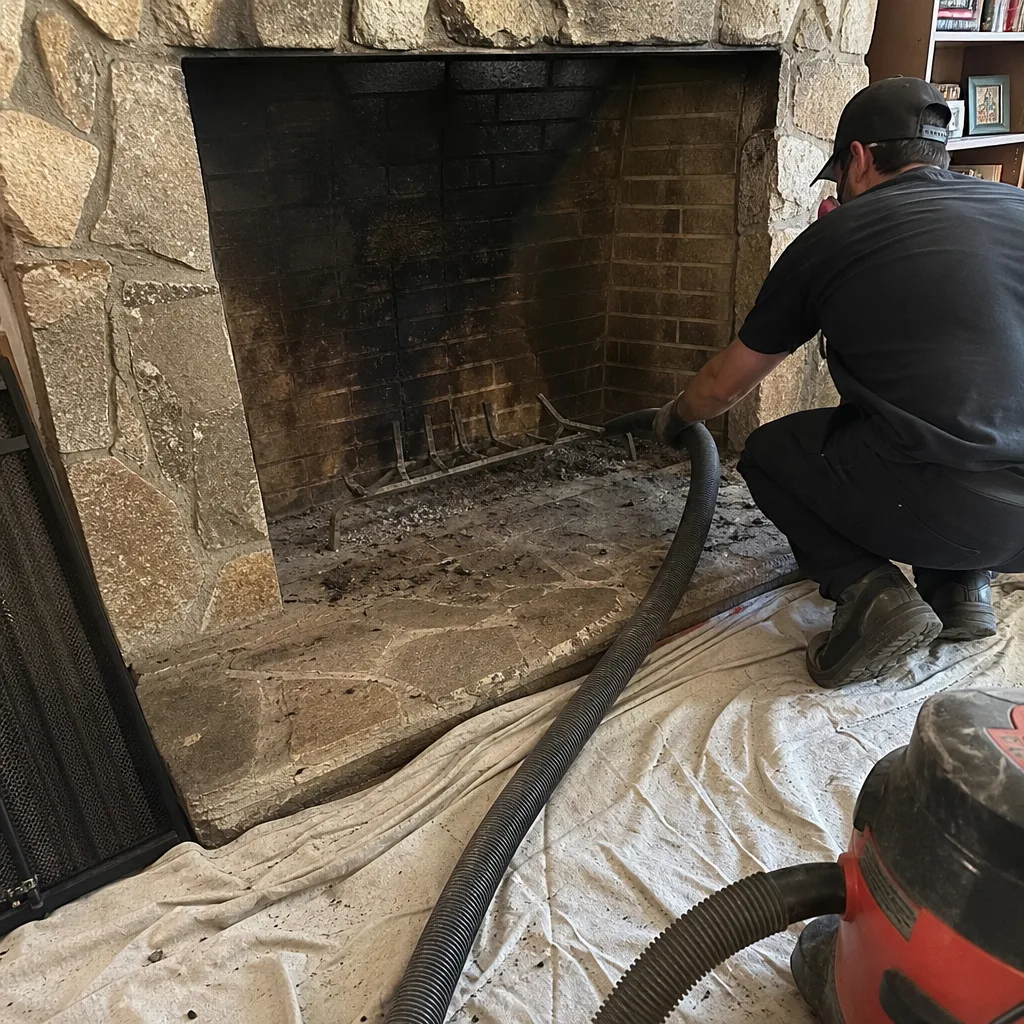 Before
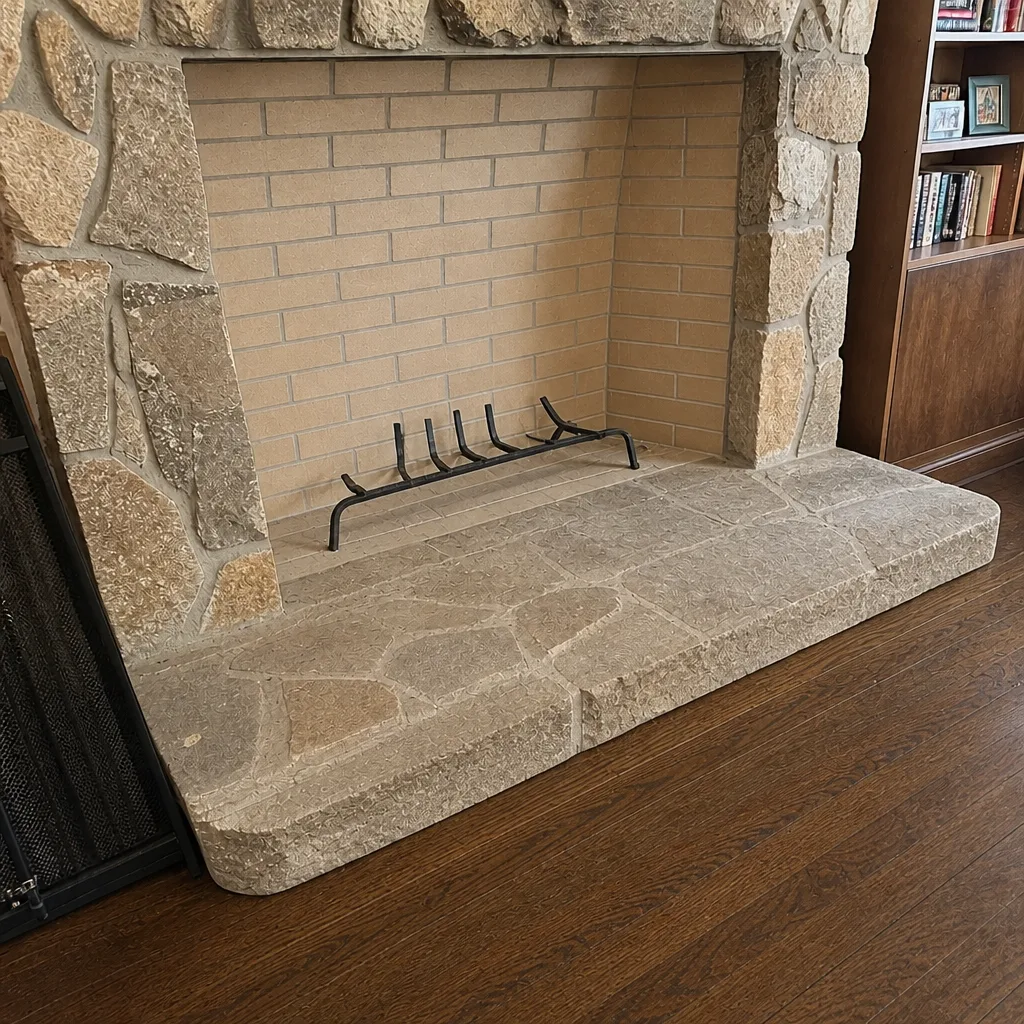 After
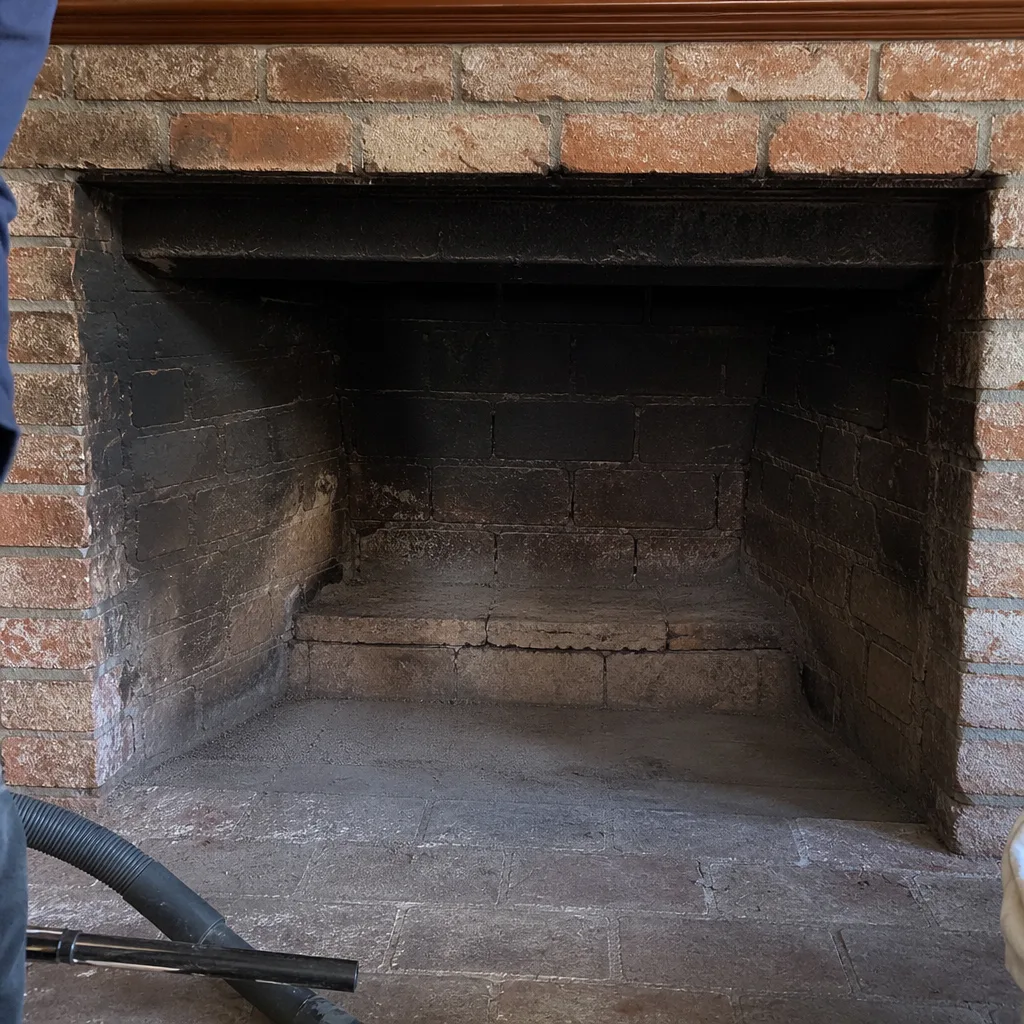 Before
 After
 Before
 After
When to Call a Professional
Some checklist items are genuinely doable from the ground with a pair of binoculars. Others are not. Call a professional when you see: a missing or badly rusted cap; a crown crack that has changed since your last photos; pieces of flue tile in the firebox; smoke entering the room during a fire; or any sign of water staining on the ceiling near the fireplace. These are not wait-and-see problems. They are conditions that will get more expensive the longer they sit. Chimney Sweep Whittier offers free estimates in Whittier – call (866) 361-2279 and we will evaluate the whole flue system, camera inspection included, so you know exactly what needs attention now and what can wait.
Frequently Asked Questions
Most Whittier fireplaces need sweeping every one to two years, depending on how often they burn and what they burn. A home that burns a few fires a week through the winter generally needs an annual cleaning. A home that uses the fireplace occasionally can often stretch to two years, but the annual inspection, including the camera check of the liner and smoke shelf, should still happen every fall. Call (866) 361-2279 and we can give you an exact schedule based on your fireplace and burning habits.
A cap needs replacement when you see rust through the metal, a torn or missing screen, a cap that sits tilted from wind, or a cap that has blown off entirely. In Whittier, the Santa Ana winds are often the final push for a cap that was already rusting. The fix is not expensive when caught early, but leaving the flue open to debris and water turns a cap replacement into a liner job. Call (866) 361-2279 for a free estimate – we install Gelco chimney caps sized to your flue tile.
Yes. The liner and smoke shelf cannot be seen from the ground, and they are the components where hidden damage accumulates. A camera inspection shows flue tile shifts, cracking, and creosote buildup on the smoke shelf before they become safety problems. It is the difference between knowing the chimney is clean and knowing the chimney is sound. Our sweeps in Whittier include camera inspection as part of the evaluation, not as an add-on.
The cost depends on the component and the extent of the damage. A chimney cap replacement is one of the least expensive repairs, while a full liner replacement is one of the most involved. Everything between, a crown repair, flashing replacement, or HeatShield resurfacing, falls in the middle range. The written estimate is based on what the camera inspection reveals, and nothing is recommended without photographic evidence you can see for yourself. Call (866) 361-2279 – estimates are free.
Yes, you can and should. A pair of binoculars or a phone camera zoomed in covers the cap, crown, and flashing from ground level. The firebox and damper are also inspectable from inside the house. What you cannot inspect is the liner and smoke shelf, which require a camera inserted up through the flue. That is the professional inspection. The homeowner inspection and the professional camera inspection work together; each sees things the other misses.
Yes. We offer chimney sweeping, chimney repair, and dryer vent cleaning as three parts of the same fire-safety scope. A homeowner coming into burning season can have the chimney and the dryer vent evaluated in a single visit. The dryer vent is one of the leading causes of residential fires, and it fails slowly and silently the same way a chimney does. When we clean a dryer vent, we also check the termination hardware, and we use Famco vent terminations when a replacement is needed, so the system closes out with matched components rather than improvised parts. One call covers both.
Skipping maintenance does not usually cause a sudden failure; it causes a slow accumulation of problems that surface years later as a bigger, more expensive repair. The typical sequence is: the cap rusts, water and debris enter, the liner starts to degrade, and by the time the homeowner notices smoke or smell, the repair is a full reline rather than a cap replacement. In Whittier, the sun and the Santa Anas work on the cap and crown every day, even when the fireplace is never lit. The maintenance calendar is about catching those failures early, when the repair is measured in hundreds, not thousands.
The Bottom Line
A Whittier chimney needs a checklist that matches its actual failure modes, and the components that matter most are the ones most homeowners never think about: the cap, the crown, and the liner. Check the cap and crown from the ground every fall with photos, so you have a record of change over time. Get the liner and smoke shelf camera-inspected annually, because the damage that starts inside the flue is invisible until it becomes expensive. And pair the chimney evaluation with a dryer vent cleaning, so the two most important fire-safety systems in a Whittier home are covered in a single call. When you are ready, call (866) 361-2279. We answer 24/7. Fast dispatch from 7am to 7pm, Sunday through Friday. A chimney sweep from our team covers the full evaluation, camera inspection included, and we repair what we find using the right materials for the job.
Written by the team at Chimney Sweep Whittier, serving Whittier since 2014.