
Last updated November 4, 2026
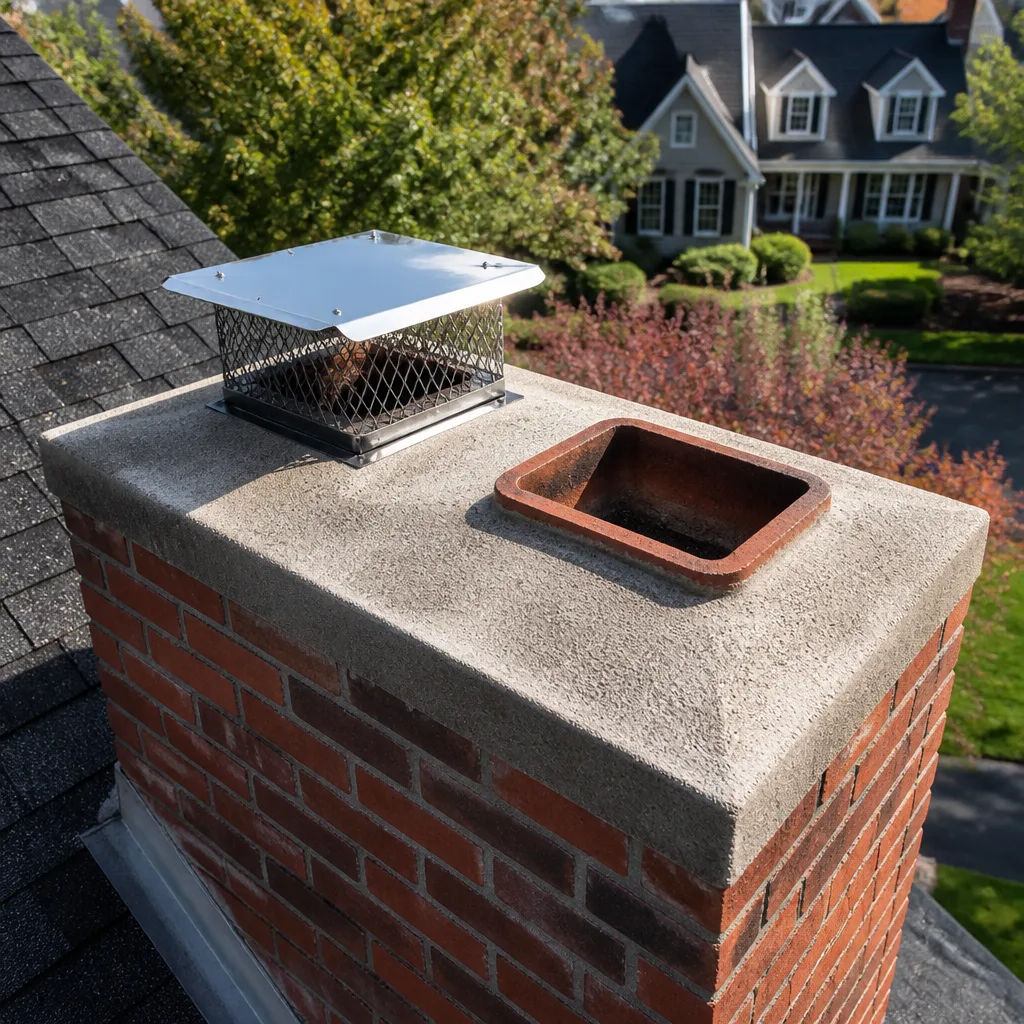 Sweep & inspection
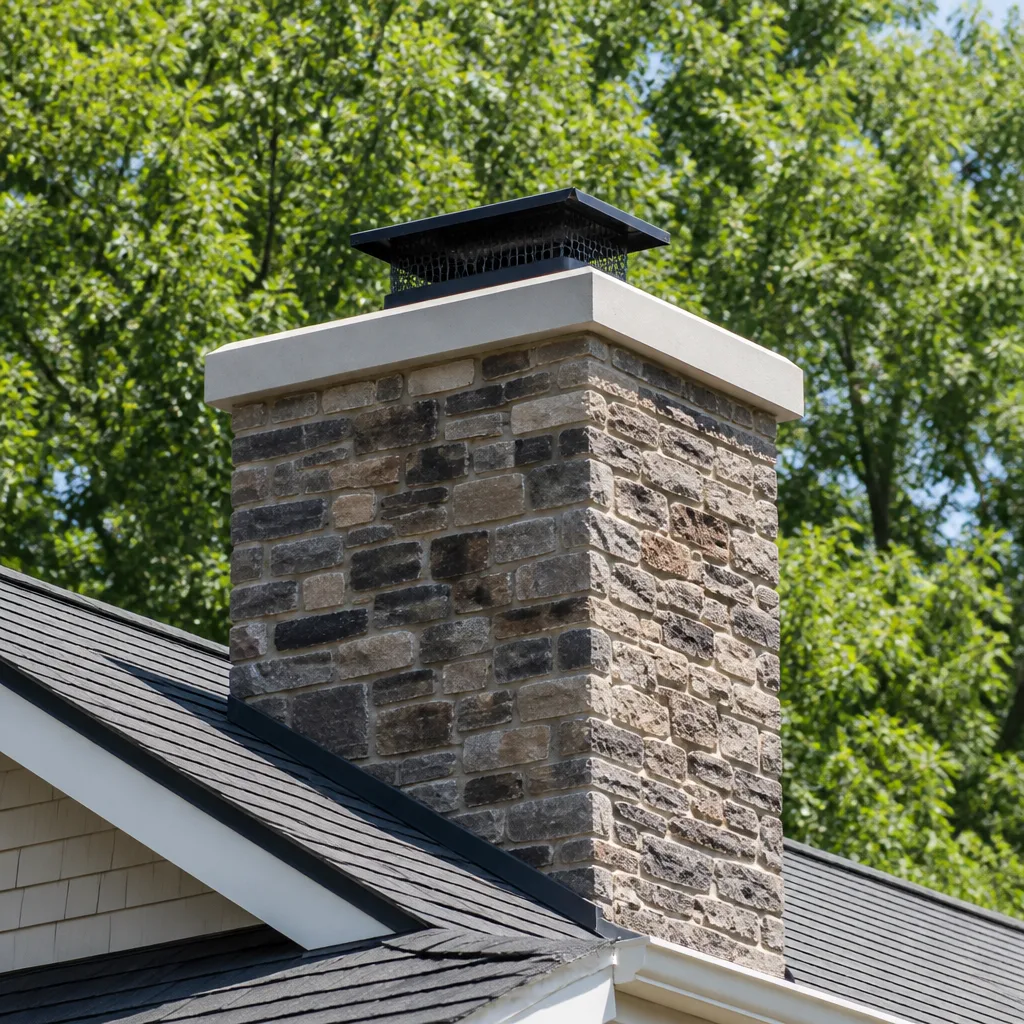 Caps & crowns
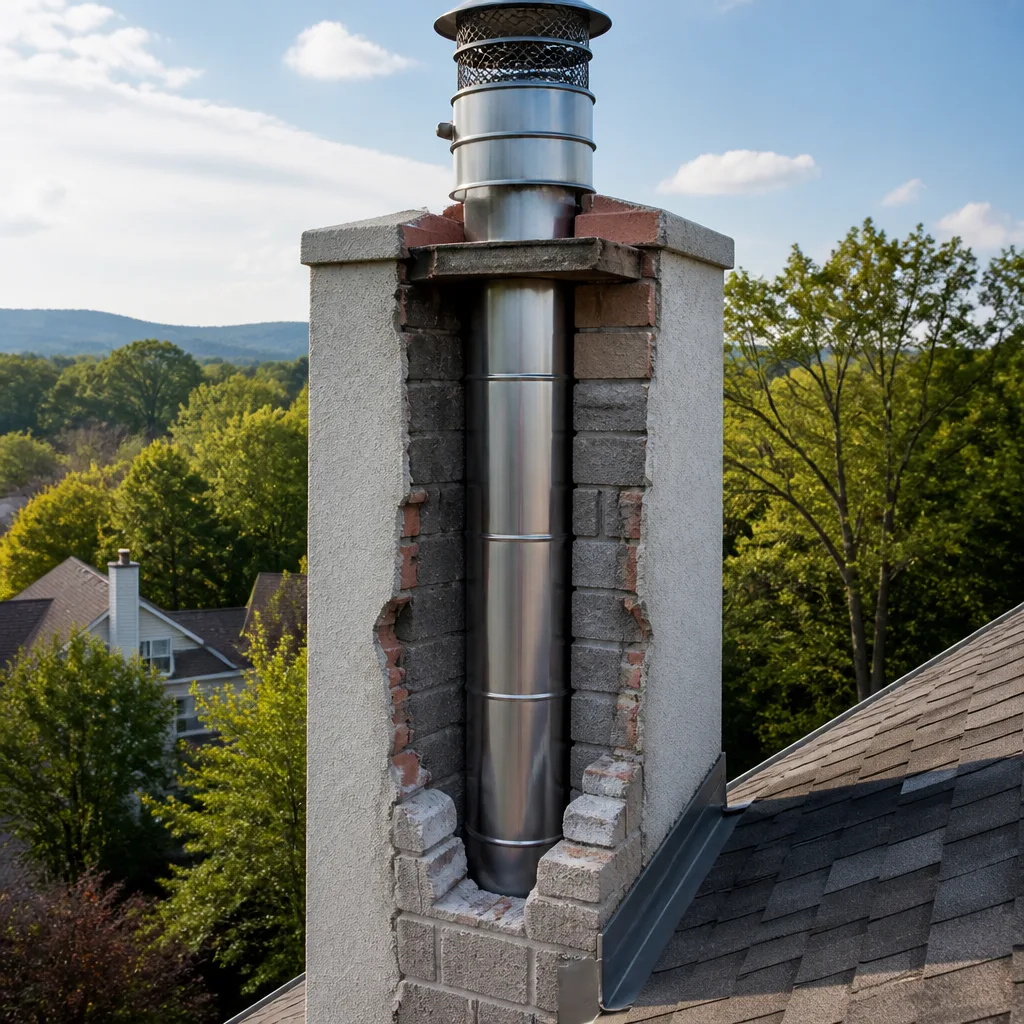 Flue relining
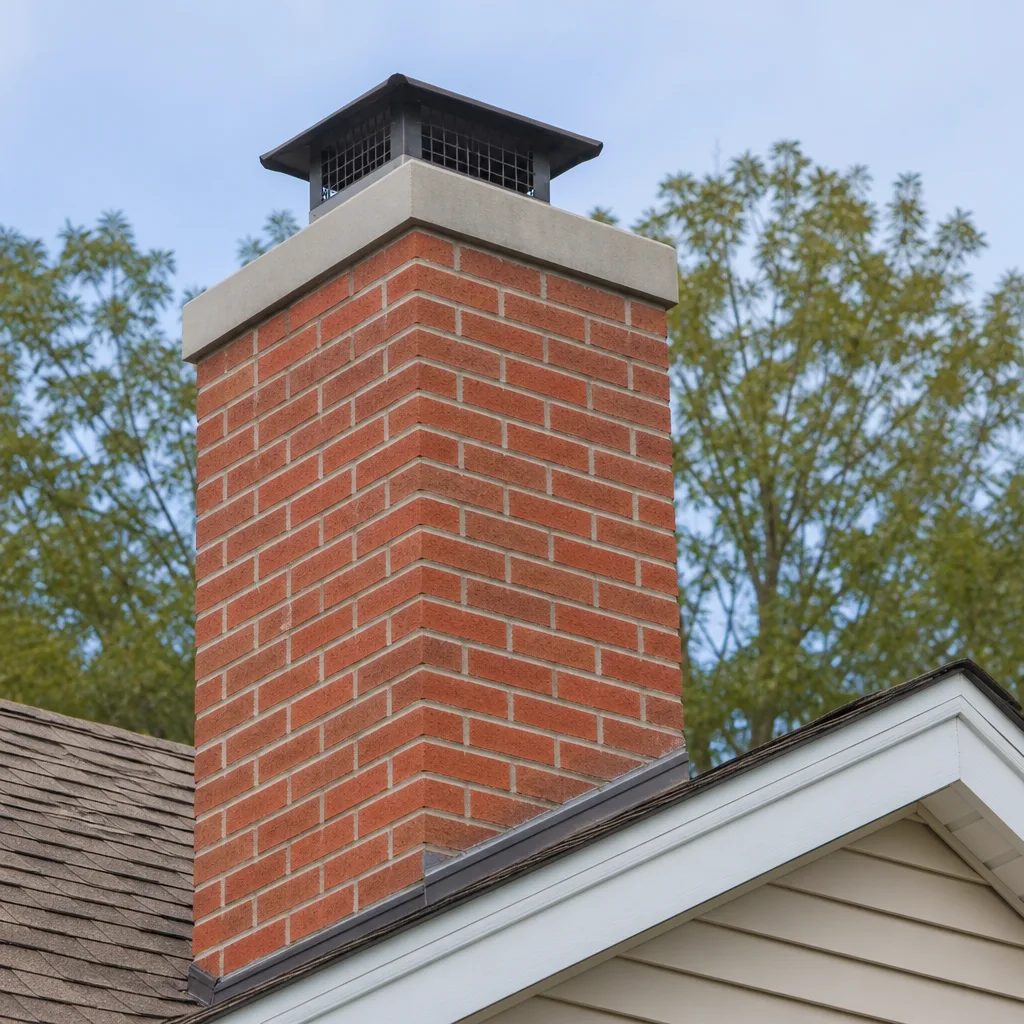 Masonry repair
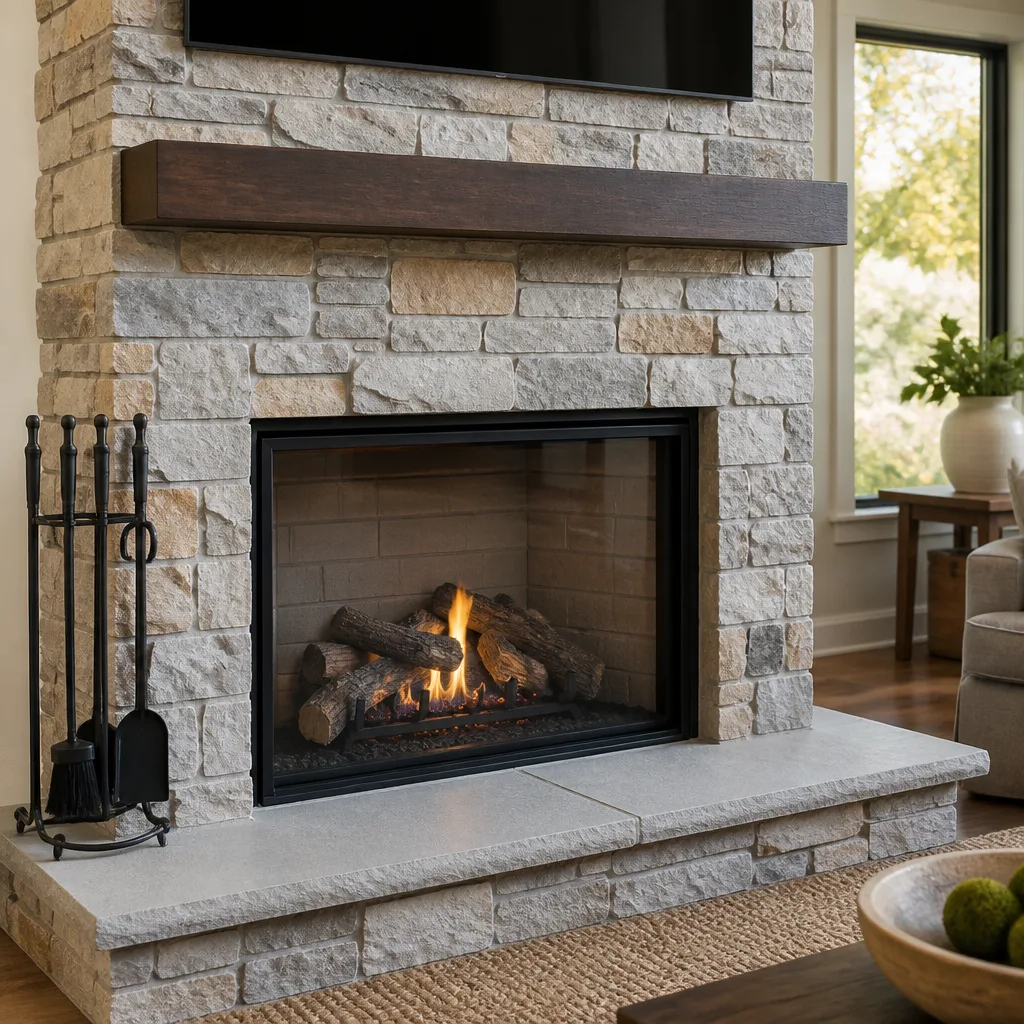 Gas fireplace service
Level 1 sweep and inspection to the NFPA 211 annual standard - flue, crown, cap, and flashing checked and photographed
Chimney sweep logs do not sweep chimneys. They loosen some creosote - which then falls where a brush and vacuum still have to collect it.
Choosing the Right Chimney Cleaning Brand: A Buyer’s Guide for Whittier
If you ask a chimney contractor what brand of crown sealant they use and they can’t answer, that tells you more about their operation than their Yelp reviews do. Most Whittier homeowners never think about product brands until a repair fails two years after it was done. This guide explains what contractor-grade actually means for chimney materials, which product categories matter most, and how to ask the right questions before you hire anyone. You’ll learn how to spot a professional operation by the brands they carry, and why that matters more in Whittier’s climate than you might expect.
Quick Answer
Choosing the right chimney cleaning brand means selecting a company that uses contractor-grade materials like DuraFlex, HeatShield, Olympia Chimney, and Famco rather than generic hardware-store substitutes. These brands differ in lifespan, warranty terms, and performance under Whittier’s UV-heavy sun and thermal cycling. Ask any contractor to name the specific brands they use for crown sealant, flue repair, and chimney caps. If they hesitate or say “whatever’s on the truck,” keep looking.
Styles & brands we work with
- Sweep & inspection
- Caps & crowns
- Flue relining
- Masonry repair
- Gas fireplace service
Table of Contents
- Why Brand Names Matter in Chimney Work
- What Contractor-Grade Actually Means
- The Four Product Categories Where Brand Choice Decides the Job
- Why Whittier’s Climate Demands Better Materials
- Six Questions That Reveal a Contractor’s Real Experience
- Red Flags in Chimney Proposals
- A Homeowner’s Guide to the Brands That Matter
- Common Mistakes to Avoid
Why Brand Names Matter in Chimney Work
Most homeowners treat chimney work like it’s all the same. Sweep the flue, patch the crown, move on. But the products a contractor uses determine whether that repair lasts three years or fifteen. A generic elastomeric sealant from a big-box store might sit on a chimney crown in Whittier for two summers before the UV breaks it down. A professional crown sealant like CrownCoat is formulated for exactly that exposure, with cure specs and warranty coverage to match. The same logic applies to flue repair products, chimney caps, and even the hardware used to terminate a dryer vent. Brand names are a shorthand for material specifications, and material specifications are what separate a real chimney contractor from a maintenance crew that sweeps and walks away.
We’ve seen the difference firsthand. When a flue liner shows cracking and surface deterioration, the choice between a generic refractory patch and a HeatShield resurfacing system changes the entire outcome. One is a temporary bandage. The other is a fused ceramic restoration with a decade-plus service expectation when applied correctly. The brand is not marketing. It’s the chemistry. And chemistry decides whether a Whittier homeowner is calling us again next year or not thinking about their chimney for the next ten.
This matters because chimney work is hidden work. You cannot see the inside of your flue from the living room. You cannot inspect the crown sealant’s bond line from the ground. You are trusting the contractor to use materials that will perform where you can’t watch. Brand specificity is the only way to verify that trust before the work is done.
What Contractor-Grade Actually Means
Contractor-grade is not a marketing phrase. It refers to materials distributed through professional supply channels rather than retail shelves. The difference shows up in performance specifications, cure times, tensile strength, temperature ratings, and warranty terms. A hardware-store sealant might be rated for 200°F and two years of outdoor exposure. A contractor-grade crown sealant is typically rated for sustained outdoor UV exposure, thermal expansion, and temperature swings, with warranties of ten years or more when installed to spec.
Here is what contractor-grade means in practical terms for Whittier homeowners:
- Supply chain: Contractor-grade brands like DuraFlex, HeatShield, Gelco, Olympia Chimney, Famco, and Copperfield are sourced through professional distributors. They are not stocked at retail home centers. A contractor carrying them has to maintain professional supply accounts, which is a basic operational signal.
- Performance specs: These products carry published technical data sheets with specific cure times, application temperatures, coverage rates, and service limits. A generic product often has none of that documentation available to the homeowner.
- Warranty backing: Contractor-grade chimney products carry manufacturer warranties that apply when installed according to the manufacturer’s written instructions. That puts the contractor on the hook for application quality in a way generic products do not.
- Compatibility: Chimney systems are interconnected. A liner, a cap, a crown, and a flue tile all have to work together. Contractor-grade brands are engineered for specific system compatibility, where generic parts often create mismatches.
None of this means a contractor with good brands is automatically competent. But it does mean they have passed the first filter. They invest in professional materials because they intend to do professional work. That is a necessary condition, even if it’s not a sufficient one.
The Four Product Categories Where Brand Choice Decides the Job
Not every product on a chimney job carries equal weight. The brush and rods used for sweeping matter, but they are tools, not parts of your home. These four categories are where the product becomes part of your chimney system, and where brand choice decides whether the repair lasts.
1. Crown Sealants
The chimney crown is the concrete or mortar slab at the top of the chimney that sheds water away from the flue. It is the most exposed part of the entire chimney system, and in Whittier it takes sun damage year-round. A crown sealant has to bond to masonry, stay flexible through thermal expansion, and resist UV breakdown. CrownCoat is the product we reference as the professional benchmark for this category. It is a trowel-grade elastomeric formulated specifically for chimney crowns, with crack-bridging capability and UV resistance built in. Generic elastomeric sealants from paint stores are made for walls and roofs, not the specific thermal and chemical conditions of a chimney crown. The difference is typically a 10-year service life versus a 2-year one.
2. Flue Sealants and Resurfacing Products
Inside the flue, the product choice is even more critical because the repair is permanent and inaccessible. HeatShield is a ceramic-based resurfacing system that bonds to the existing flue tile or masonry, restoring structural integrity and sealing gaps that allow heat and gases to escape. A generic refractory patch or high-temperature caulk is a stopgap. It might handle one burning season. It will not restore a deteriorating flue system to safe operating condition. The application process for HeatShield is also specific: it requires proper surface preparation, specific mixing, and careful application technique. A contractor who carries HeatShield has invested in the training and equipment to use it correctly. That signals a repair capability most sweep-only companies simply don’t have.
3. Chimney Caps
Chimney caps look simple, but the material choice matters more than most homeowners realize. Stainless steel gauge is the primary variable. A cheap cap made from thin-gauge steel will rust through in a few Whittier seasons, especially if it’s exposed to the exhaust of a gas appliance. A quality stainless cap from a brand like Gelco or Olympia Chimney is built heavier, with welded construction and a proper screen size for spark arrest. The difference is not cosmetic. A rusted-out cap stops doing its job, which means rain, birds, and debris get into the flue. That’s a silent, slow-moving problem that shortens the life of the entire system. We install Gelco chimney caps and Famco vent terminations because they are matched, purpose-built hardware that closes out a job correctly, not improvised parts from a hardware store shelf.
4. Creosote Removers
For routine maintenance between sweeps, the choice between a poultice-based creosote remover and a powdered product matters. Poultice products work by adhering to creosote deposits and chemically breaking them down over time, making the next sweep more effective. Powdered products are thrown into the fire and are generally less effective on glazed or thick creosote. The brand matters because the chemistry matters. A professional-grade creosote treatment is a supplement to mechanical sweeping, not a replacement for it. Knowing which product a contractor recommends tells you whether they understand creosote chemistry or just sell whatever the distributor put in front of them.
Why Whittier’s Climate Demands Better Materials
Whittier sits inland, in the San Gabriel Valley, where the climate punishes chimney materials in ways that have nothing to do with freezing. The two big factors here are UV exposure and thermal cycling.
UV exposure in Whittier is brutal on any outdoor material. The sun beats down on chimney crowns, caps, and exposed mortar joints for most of the year. Sealants and coatings that work fine in coastal or shaded climates break down faster here because the polymer chains in cheaper products degrade under sustained UV. A crown sealant has to be specifically formulated for that kind of exposure, which is why contractor-grade products like CrownCoat exist in the first place. Generic products simply were not designed for a Whittier summer.
Thermal cycling is the second factor, and it’s subtle. Whittier homeowners who burn wood do so in a short season, often November through February, with long stretches of non-use in between. Each burn cycle heats the flue and the surrounding masonry, then the system cools. That expansion and contraction stresses every material in the system, from the liner to the crown to the mortar joints. In a cold climate, the stress pattern is driven by freeze cycles. In Whittier, it’s the hot-cold swing of the burn season itself. Materials that can’t flex through that cycle crack. Those that can, last. Contractor-grade products are engineered for thermal stress. Generic ones are not.
There’s also a less obvious factor: idle time. A chimney that sits unused for eight months of the year accumulates dust, debris, and sometimes pest intrusion. When the first fire of the season hits, all of that material is in the system. A properly sealed flue and a properly fitted cap reduce the accumulation and reduce the risk of that first burn turning into a problem. The materials that keep the system sealed during the idle months are the same contractor-grade products we’ve been discussing.
Six Questions That Reveal a Contractor’s Real Experience
You don’t need to be confrontational to find out whether a chimney contractor works with professional materials. You just need to ask direct questions and pay attention to the answers. Here are six that filter the field fast.
- “What brand of crown sealant do you use?” A professional answers immediately: CrownCoat, or another specific contractor-grade product. A marginal operator says “a commercial-grade sealant” or “whatever the supplier has.” If they can’t name it, they don’t stock it, which means they’re buying retail per job based on price.
- “Can you put the specific materials in the written estimate?” A professional has no problem listing brand names and product specifications in the proposal. A contractor who resists specifying materials in writing is leaving themselves open to substituting cheaper products on the job. Ask for it in writing before you sign anything.
- “What do you use for flue repair, and when do you recommend a liner instead?” This question separates sweep crews from repair contractors. A sweep crew says “we don’t do that.” A repair contractor explains the difference between resurfacing a flue with HeatShield and full relining with a DuraFlex system, and can tell you which condition warrants which approach.
- “What gauge stainless steel are the caps you install?” Thin-gauge caps fail early. A contractor who knows their hardware can tell you the gauge and why it matters. A contractor who doesn’t know is installing whatever was cheapest at the supply house.
- “Do you handle dryer vent cleaning, or do I need to call someone else?” Chimney and dryer vent hazards are related because both involve exhaust systems that carry combustion byproducts or lint out of the home. A company that handles both in a single call, like Chimney Sweep Whittier does, is structured around total exhaust-system fire safety. One that refers you out is not.
- “What’s your process when you find damage during a sweep?” The answer should include a camera inspection and a photo report you can see for yourself. Any contractor who recommends liner work or crown repair without visual evidence you can review is not operating transparently. We never recommend structural work without camera footage the homeowner can watch on the spot.
These questions work because they are factual. You’re not asking for opinions or sales pitches. You’re asking for the names of materials and the details of the process. Professionals answer them easily. Everyone else reveals themselves by not being able to.
Red Flags in Chimney Proposals
We review chimney work all over Whittier, from Uptown to Friendly Hills to the neighborhoods around Michigan Park. The proposals that come to us after another company walked away share the same patterns. Here is what to watch for.
- Generic material language instead of brand names: “High-quality sealant,” “commercial-grade cap,” “professional liner.” These phrases mean nothing. A real proposal names the product.
- No written specification of materials: If the estimate says “replace cap” without saying which cap, what gauge, what brand, and what warranty, the contractor is leaving themselves room to decide later. That decision will be driven by their margin, not your chimney.
- A liner recommendation with no camera evidence: A flue liner replacement is a major job. No one should recommend one without showing you the camera footage of the deterioration that justifies it. If the contractor can’t show you the problem, there is no verified problem.
- Resistance to questions about products: A contractor who gets defensive or vague when you ask about brands is telling you something about how they operate. Professionals talk about their materials the way mechanics talk about parts: specifically, and with confidence.
- Pricing that seems disconnected from the specified materials: Contractor-grade products cost more than hardware-store substitutes. If a bid comes in far below others and the materials are “unspecified,” that’s not a deal. It’s a signal that the installation will use the cheapest product available that day.
None of these red flags are definitive proof of a bad contractor on their own. But two or three together are a pattern, and the pattern says: this company is competing on price, not on workmanship. In chimney work, where the product is hidden inside your home’s structure, that is a risk you don’t need to take.
A Homeowner’s Guide to the Brands That Matter
You don’t need to become a materials engineer to choose a good chimney contractor. But knowing what these brands are, and what they do, helps you evaluate the answers you get. Here is a plain-language overview of the brands that show up in professional chimney work in Whittier.
DuraFlex is a flexible stainless steel chimney liner system used for full relining jobs. When a flue is too deteriorated for resurfacing, or when an appliance is being installed that requires a correctly sized liner, DuraFlex is one of the systems professionals turn to. It is not a hardware-store product. It requires correct sizing, proper termination, and careful installation. A contractor who carries DuraFlex is doing structural chimney repair, not just cleaning.
HeatShield is a ceramic flue resurfacing product. It is applied inside the existing flue to seal cracks, gaps, and surface deterioration. The material is mixed on site and applied with specific equipment. It requires training to use correctly. When a contractor offers HeatShield, it means they can diagnose and repair failing flue systems, not just sweep them and note the problem on an invoice.
Olympia Chimney and Copperfield are professional supply lines that distribute chimney components to contractors. They are not brands a homeowner buys directly. They matter because a contractor who sources through these channels is operating in the professional ecosystem, not the retail one. That’s the same supply network used by CSIA-affiliated contractors nationwide.
Gelco makes chimney caps and related termination hardware. Famco makes vent terminations, including the hardware used on dryer vents. Both are purpose-built products that close out a job correctly. When we finish a chimney repair or a dryer vent cleaning in Whittier, the job ends with matched, code-compatible hardware, not an improvised part. That completeness is part of what you’re paying for.
These brands are not interchangeable. Each one solves a specific problem in a specific part of the system. A contractor who carries all of them, as we do, can handle the full range of chimney and vent work without substituting inferior products or referring the job out. A contractor who carries none of them is a sweep crew. There’s nothing wrong with a sweep crew for a routine chimney sweep. But when your chimney needs repair, you need a company that can do more than clean it and leave a note.
Common Mistakes to Avoid
- Hiring based on price alone for chimney repair: The cheapest bid usually means unspecified or generic materials. In a hidden system like a flue, that’s a gamble with your home’s fire safety. You would not buy the cheapest lining for a furnace and never inspect it, and a chimney liner is the same category of decision.
- Assuming all chimney sweeps can also repair: Most sweep companies clean and inspect. They do not resurface liners, install relining systems, or carry the products needed for structural repair. If a sweep finds damage, a repair-capable contractor like Chimney Sweep Whittier has to step in. Ask about repair capability before you book the sweep, not after the report comes back.
- Skipping an annual sweep because the fireplace “works fine”: Creosote builds up invisibly. A flue can look fine from the firebox and be lined with a quarter inch of combustible residue. The annual sweep in Whittier is cheap insurance against a chimney fire. And one call covers your chimney and your dryer vent, which means one appointment addresses the two most common residential fire hazards in a single visit.
- Accepting a repair recommendation without camera evidence: We’ve said it before in this guide and we’ll say it again: no structural recommendation should come without visual proof. Camera inspection is standard for any professional chimney repair company in Whittier. If they can’t show you the problem, the problem isn’t verified.
- Not asking about cap and termination hardware: The cap is the first line of defense against water, birds, and debris. A cheap cap fails early and exposes the whole system. Ask what brand and gauge the contractor installs. The answer tells you how seriously they take the finish work.
- Waiting until fall to book service: Every Whittier chimney company gets slammed in November when the first cold snap hits. Sending a crew then takes longer. Book your sweep and inspection in the spring or summer, when the system is idle and scheduling is easier. The company that maintains your system in August is the one that gets to you first in December.
When to Call a Professional
If you’ve never had your chimney inspected, have one scheduled before you burn again. If you notice white staining on the exterior masonry, flaking mortar, a chimney cap that’s rusted or missing, or a fireplace that smokes back into the room, call a professional. If your dryer takes longer than 45 minutes to dry a load of towels, or if you can’t remember the last time the dryer vent was cleaned, that’s a call too. Chimney Sweep Whittier offers free estimates in Whittier. Call (866) 361-2279. We answer 24/7. Fast dispatch from 7am to 7pm, Sunday through Friday.
See the difference
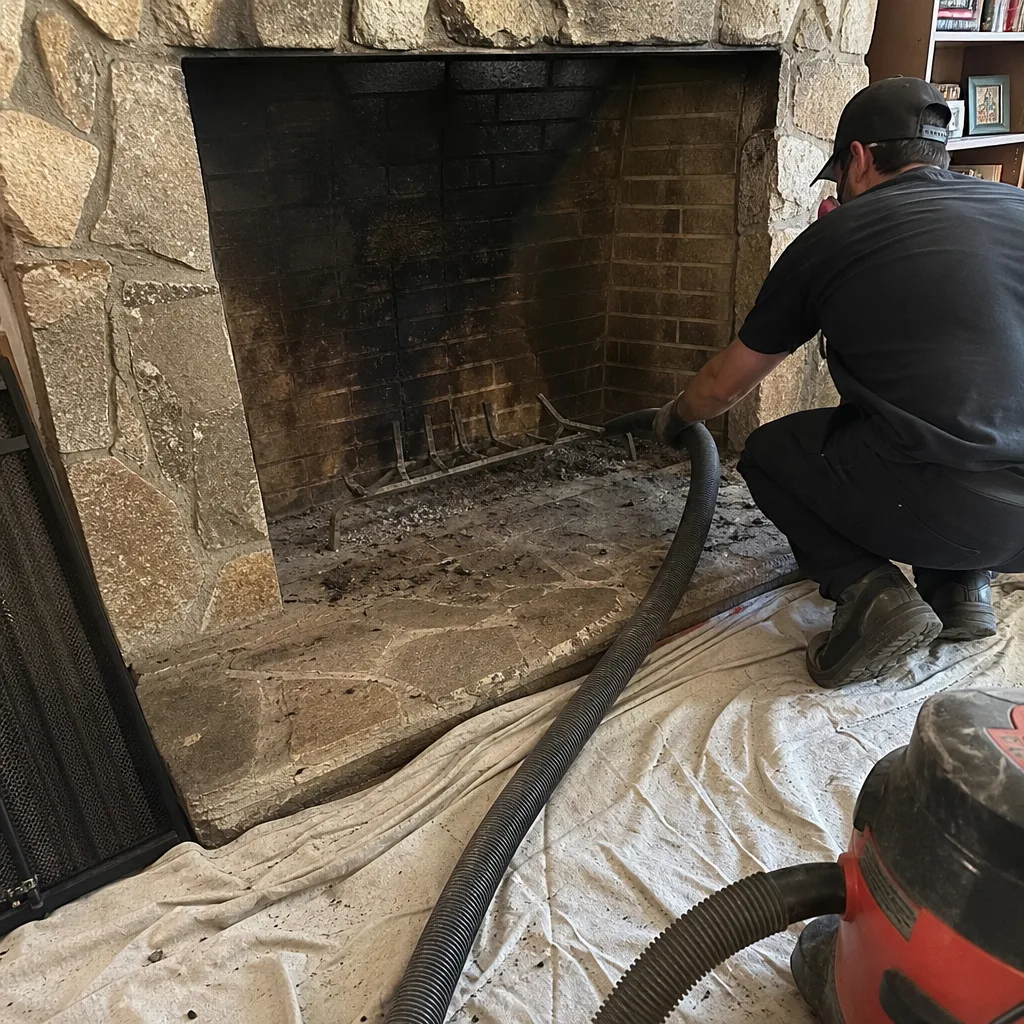 Before
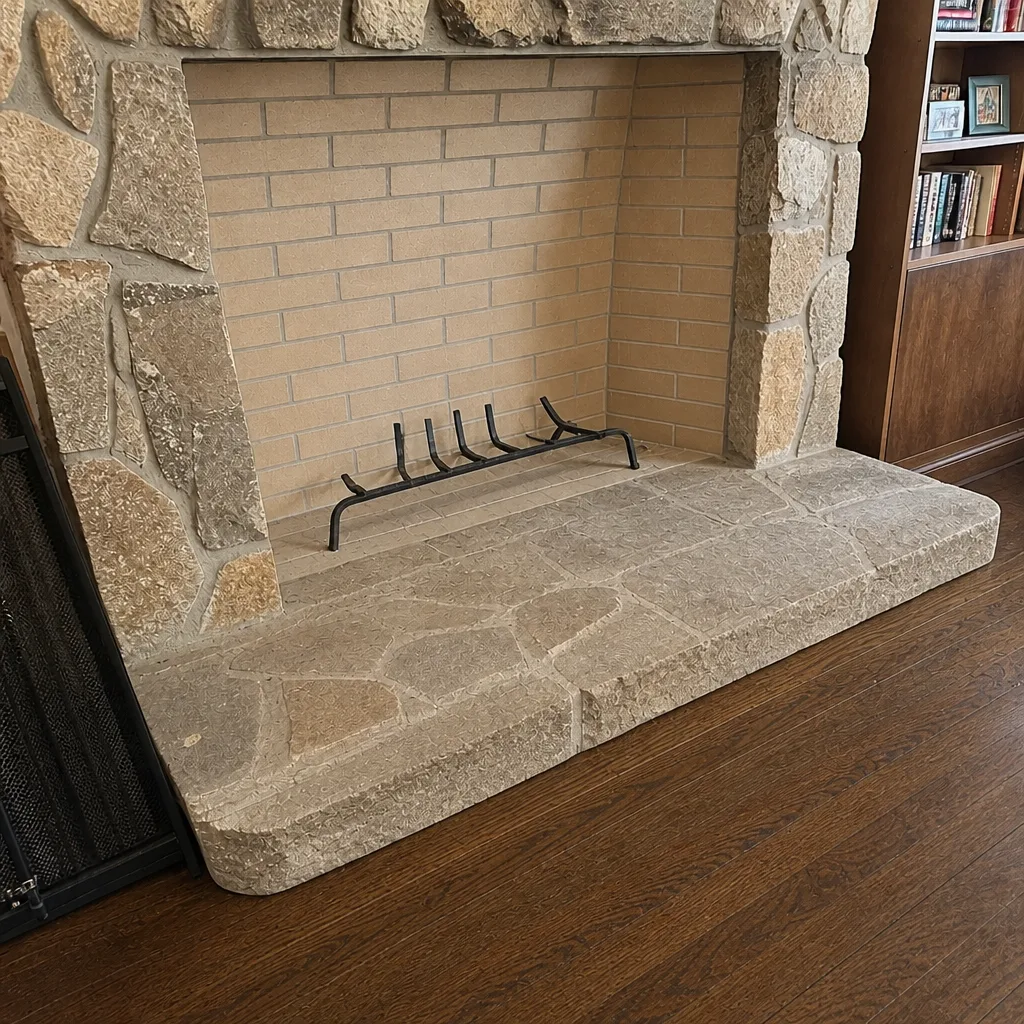 After
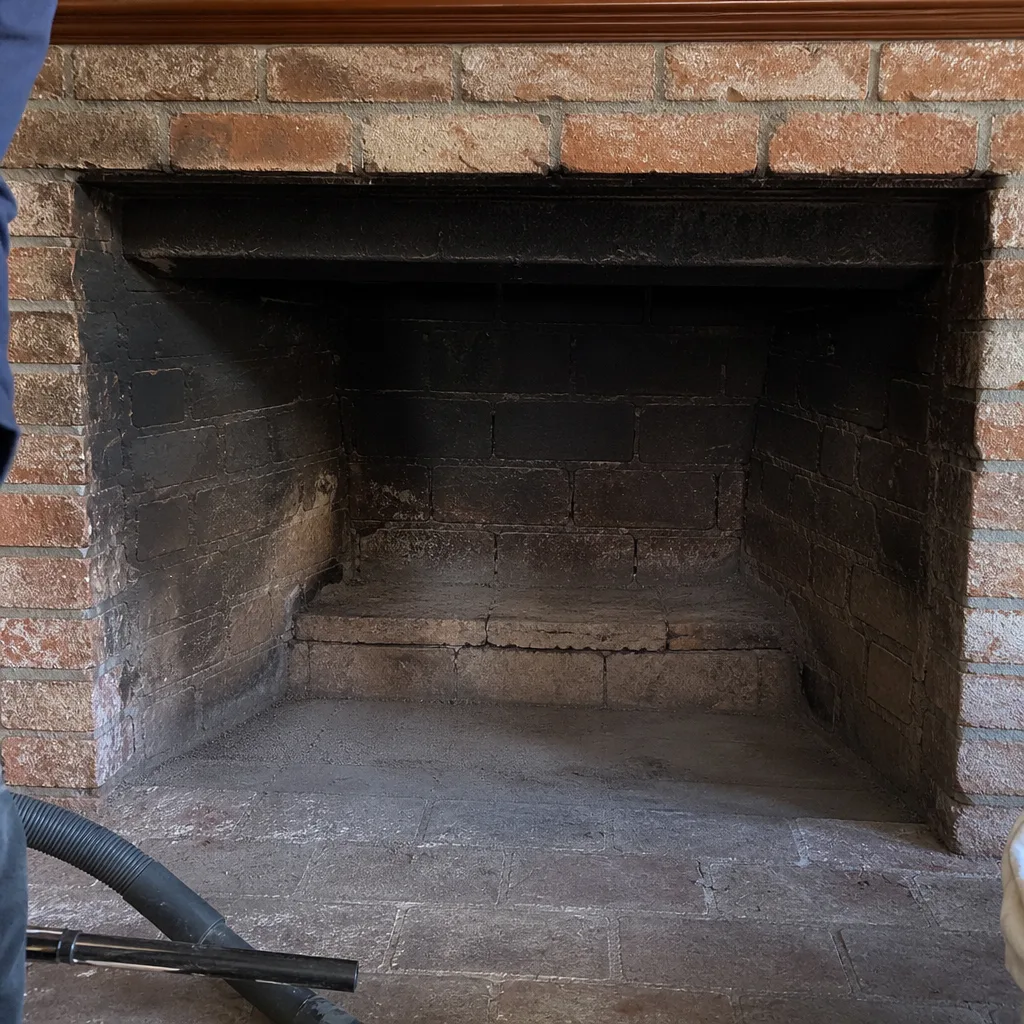 Before
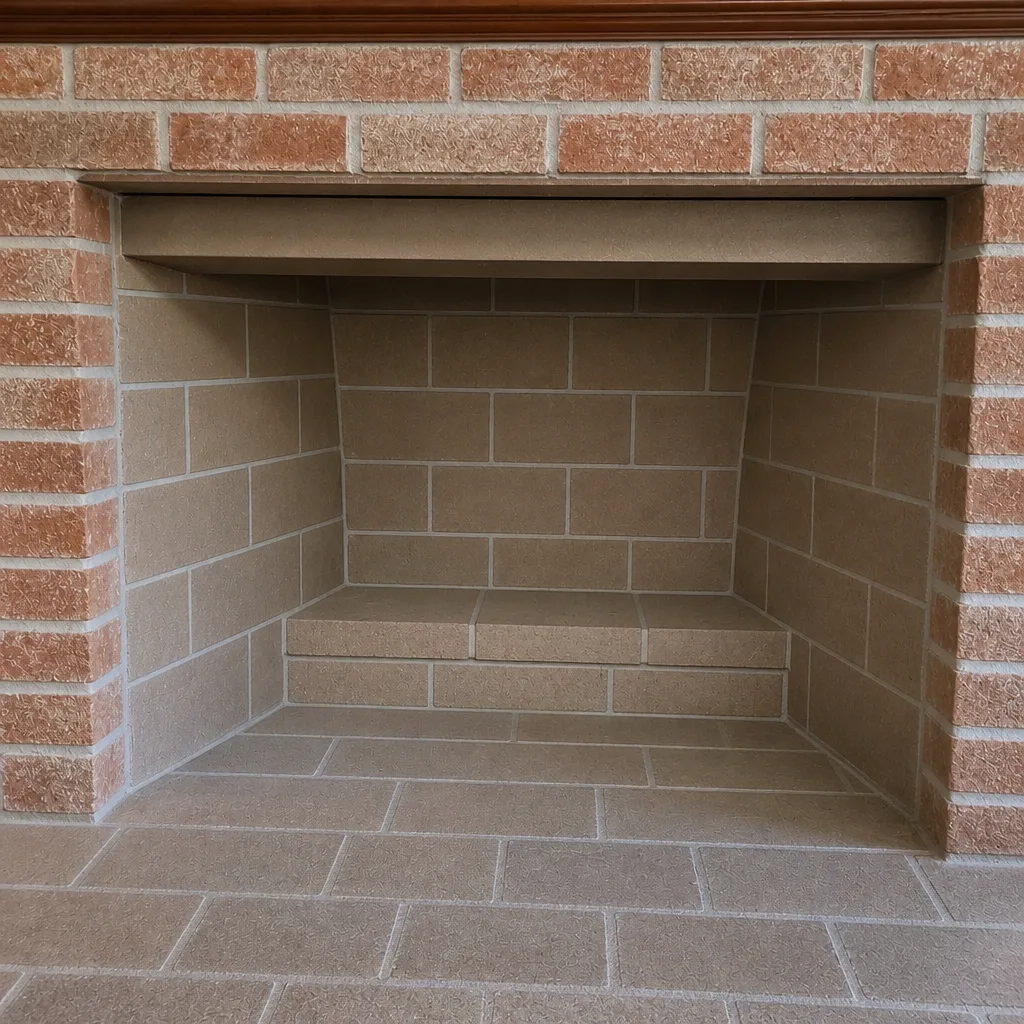 After
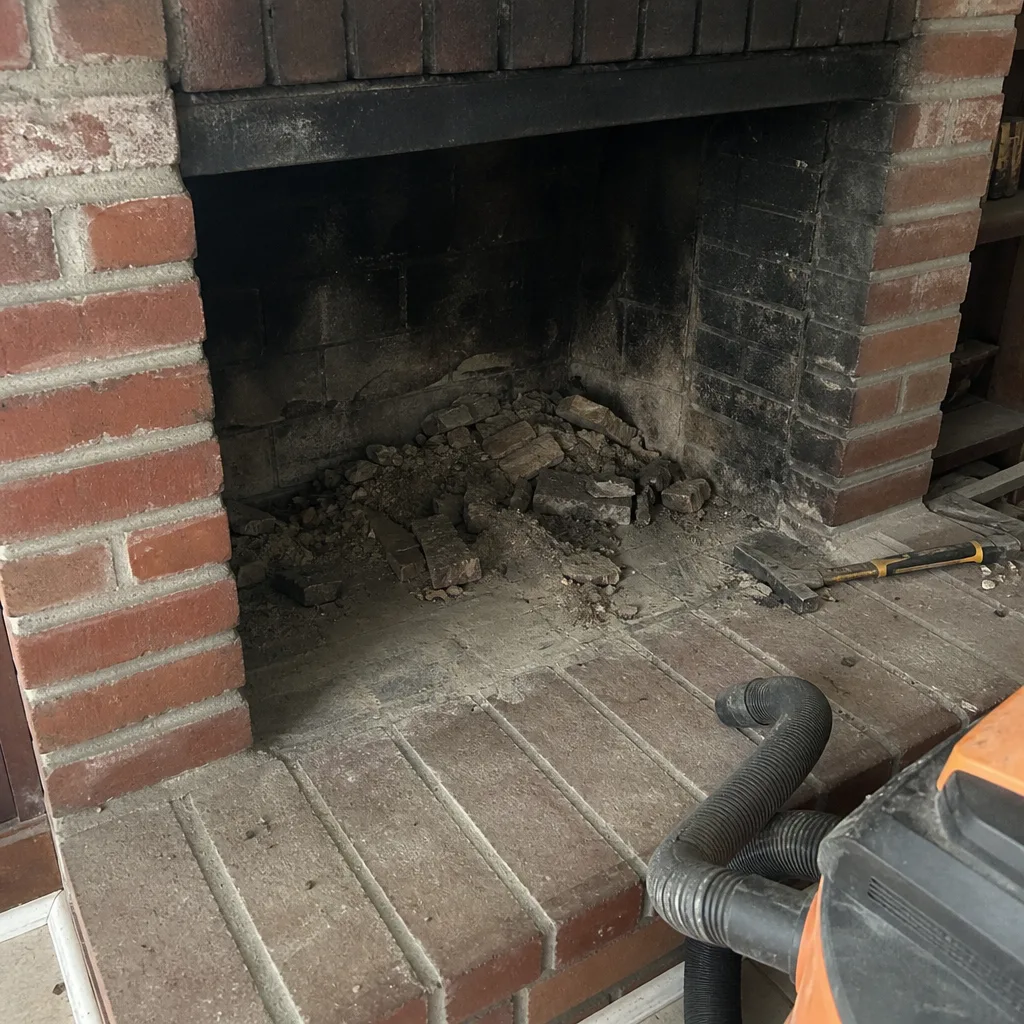 Before
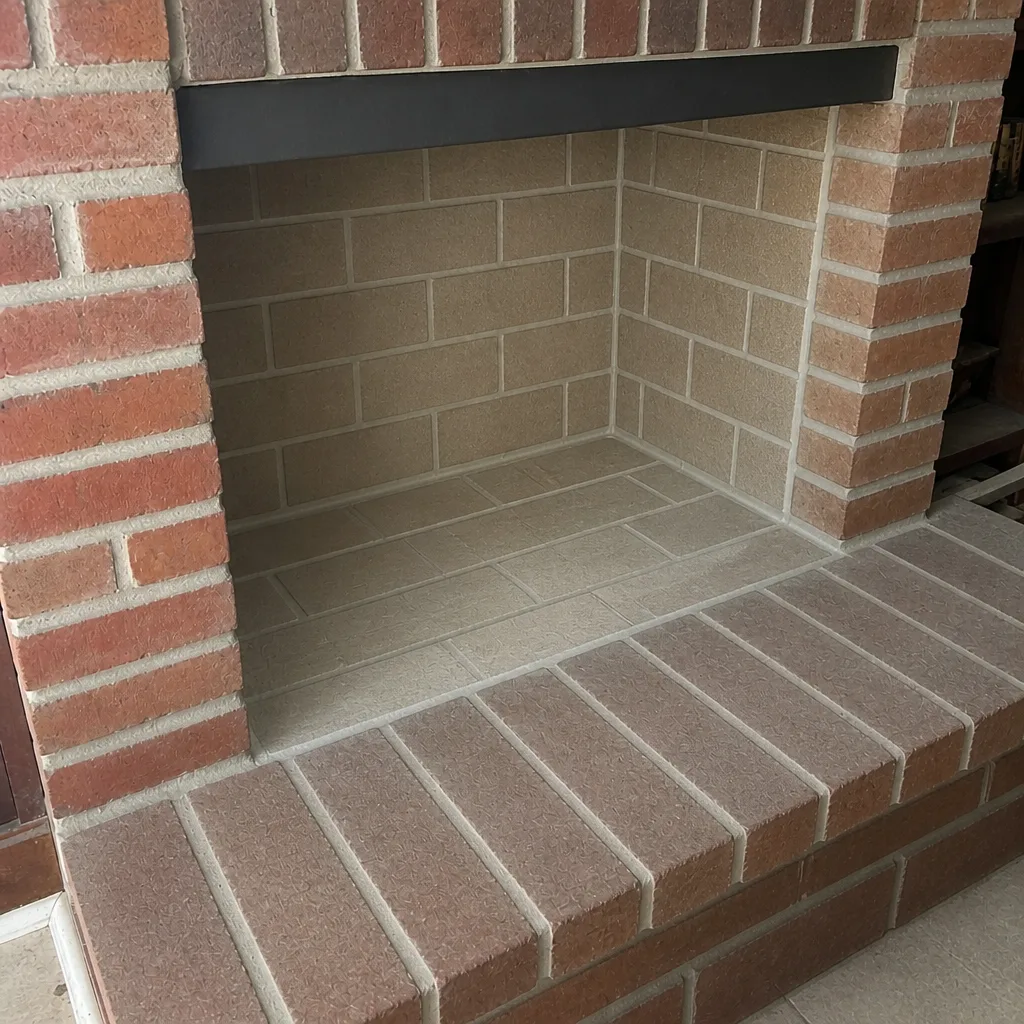 After
Frequently Asked Questions
A professional chimney contractor should use contractor-grade brands like DuraFlex for liner systems, HeatShield for flue resurfacing, CrownCoat for crown sealant, and Gelco or Olympia Chimney for cap hardware. These are professional supply channel products, not hardware-store brands, and they carry specific performance specs and warranty terms. If a contractor cannot name the brands they use, that’s a red flag. Call (866) 361-2279 if you want to talk through what your chimney actually needs.
In Whittier, a standard chimney sweep typically runs between $180 and $300, depending on the condition of the flue, accessibility, and whether the system has been maintained recently. A written estimate sets the final price before work begins. We can quote your home over the phone at (866) 361-2279, and the estimate is free.
A wood-burning fireplace should be swept at least once per burning season, or after about every cord of wood burned, whichever comes first. In Whittier, where the burn season is short but intense, an annual sweep before the first fire is the right rhythm. Gas fireplaces can go longer between inspections but should still be checked annually for venting and carbon monoxide risk. The same call can cover your dryer vent, which should be cleaned once a year regardless of how often you use the dryer.
You may not need a new liner, and you should never accept that recommendation without seeing the camera evidence that justifies it. The way to know is simple: ask to see the footage. A deteriorating liner shows cracks, gaps, or surface spalling that is visible on camera. If the contractor will not show you that footage, the recommendation is not verified. When a liner does need work, a resurfacing product like HeatShield can often resolve the issue at a lower cost than full relining with a system like DuraFlex. We always explain both options and show you why one is the right call. Estimates are free at (866) 361-2279.
Creosote builds up in layers, and each burning season adds more. Eventually the buildup reduces the flue’s diameter, which makes drafting worse, which makes the fire burn cooler and produce more creosote. That’s the cycle that leads to chimney fires. In Whittier, where many chimneys sit idle for eight months of the year, skipped seasons also allow pests and debris to accumulate. The fix is a professional sweep and inspection, and the time to book it is before burning season, not after the first chimney fire scare.
Yes, and in Whittier that’s exactly what we recommend. Dryer vent cleaning and chimney sweep services address the two most common residential fire hazards in a single call. Most chimney-only companies refer dryer vent work out, and most dryer vent services don’t touch chimneys. We handle both, which means one appointment, one team, and one written estimate that covers the full exhaust system in your home.
The Bottom Line
The brands a chimney contractor uses are not a trivial detail. They are the single most reliable signal you can get about the quality of the work before the work begins. Contractor-grade products exist because chimney systems have specific demands that generic materials can’t meet, especially under Whittier’s UV exposure and thermal cycling. Ask for brand names. Ask for them in writing. Ask to see the camera footage before any repair recommendation. A professional Chimney Sweep Whittier operation answers those questions without hesitation, because the materials are the work. If the estimate doesn’t specify the products, the job hasn’t been truly estimated. Call (866) 361-2279 for a free estimate. We answer 24/7. Fast dispatch from 7am to 7pm, Sunday through Friday.
Written by the team at Chimney Sweep Whittier, serving Whittier since 2014.