
Last updated November 4, 2026
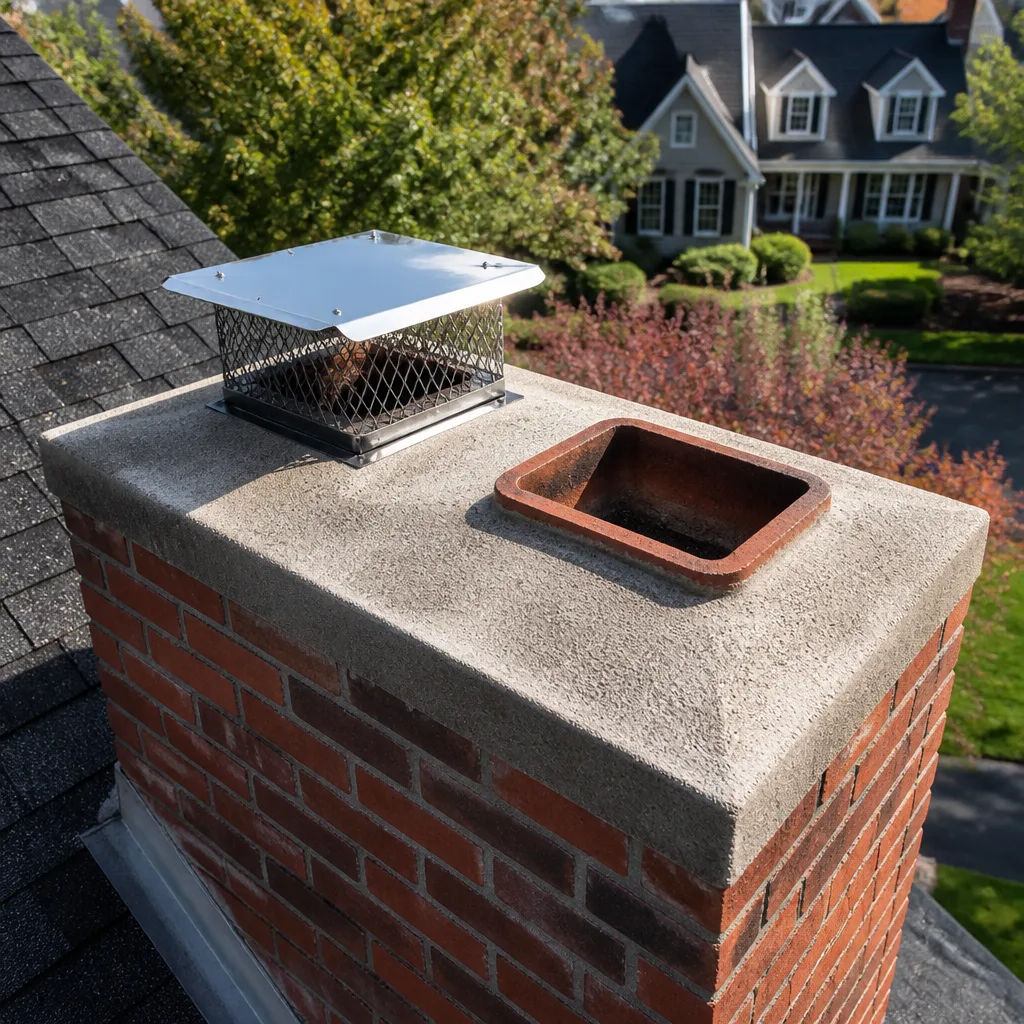 Sweep & inspection
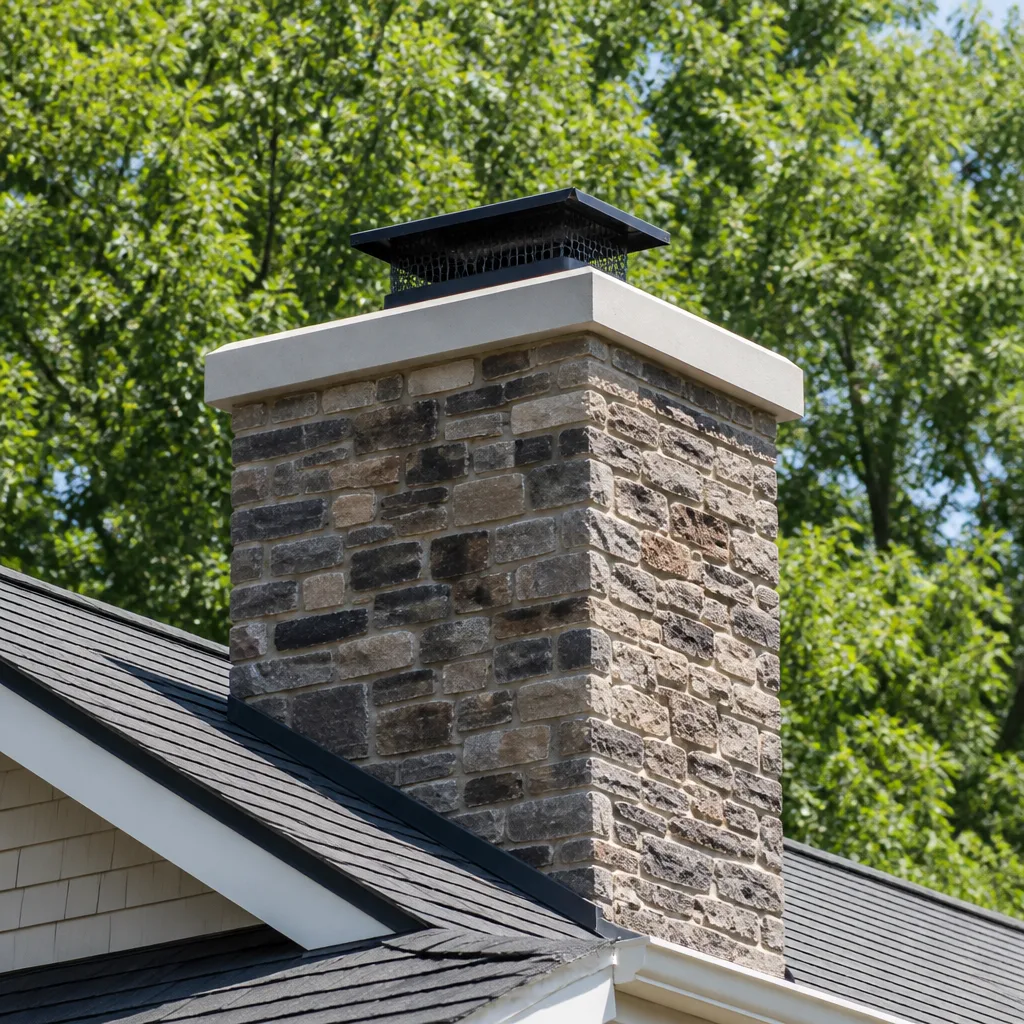 Caps & crowns
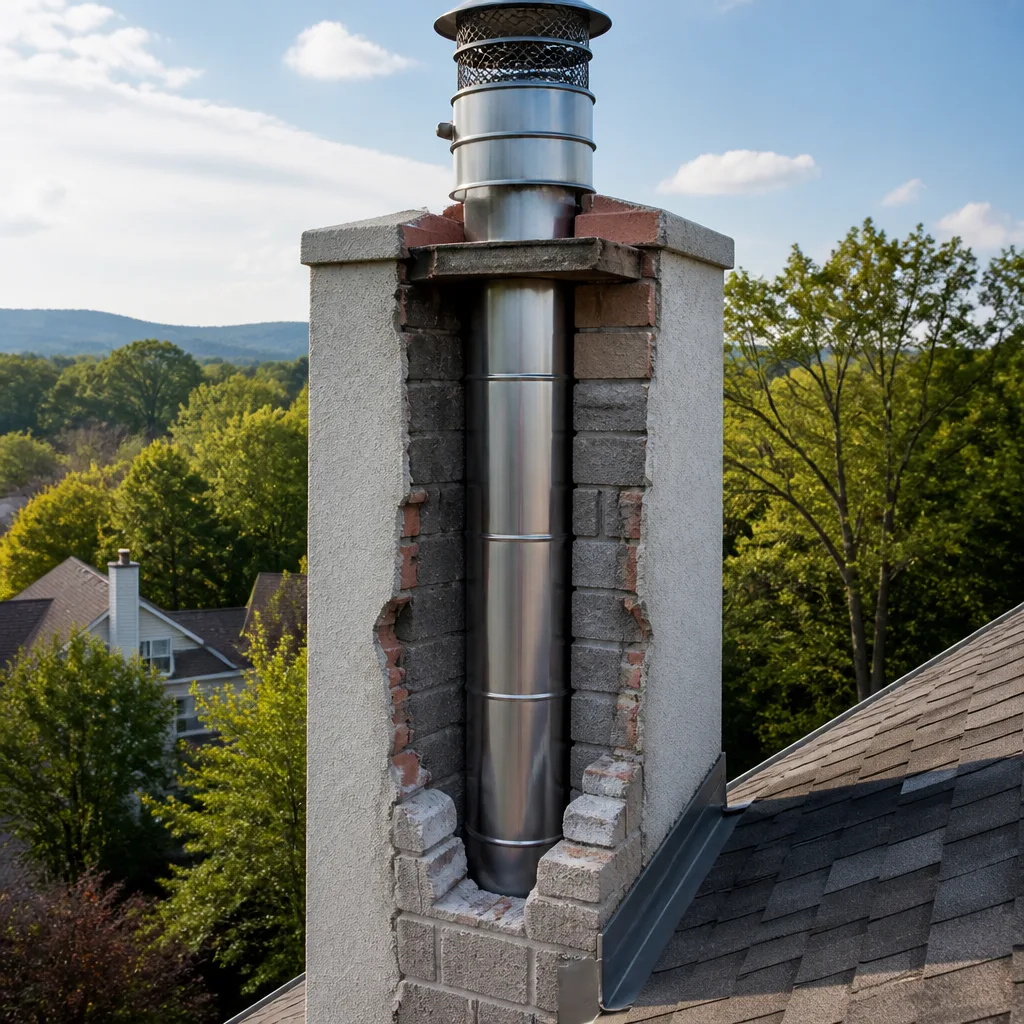 Flue relining
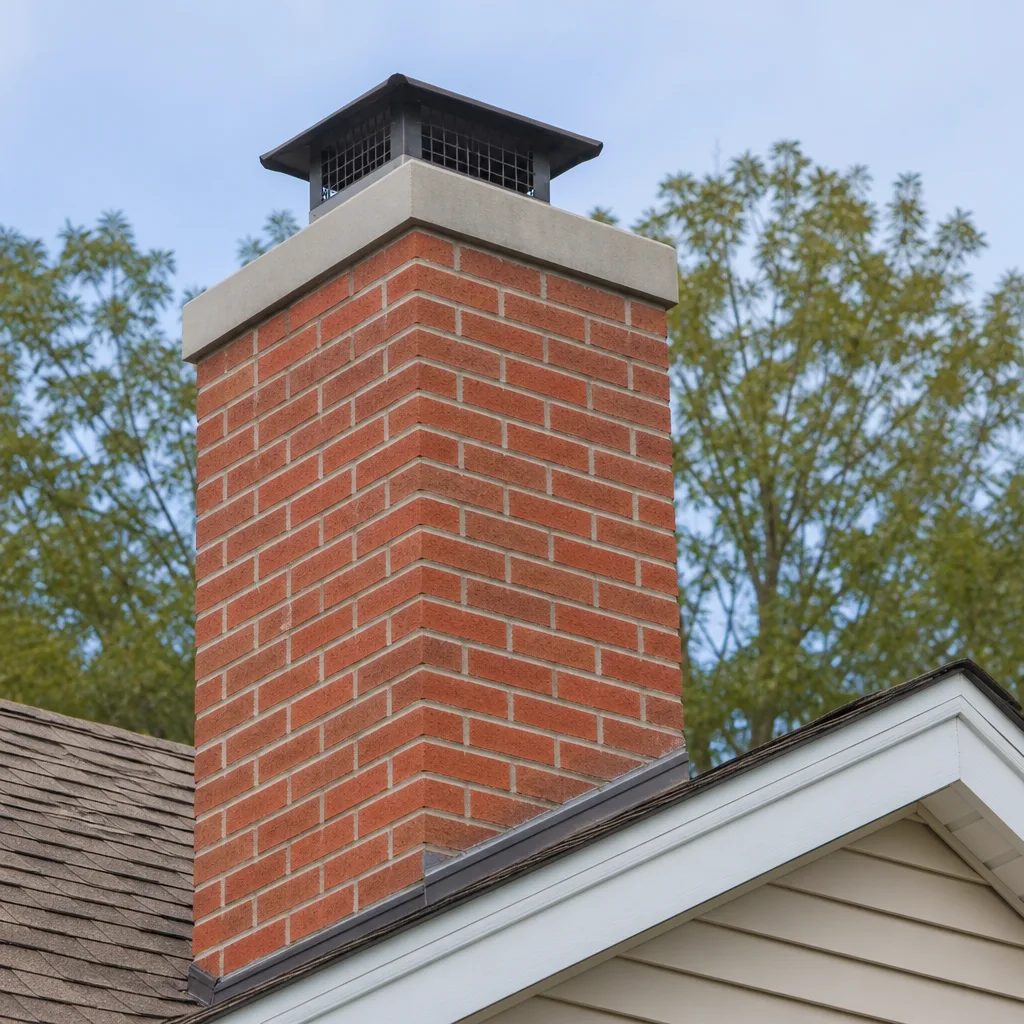 Masonry repair
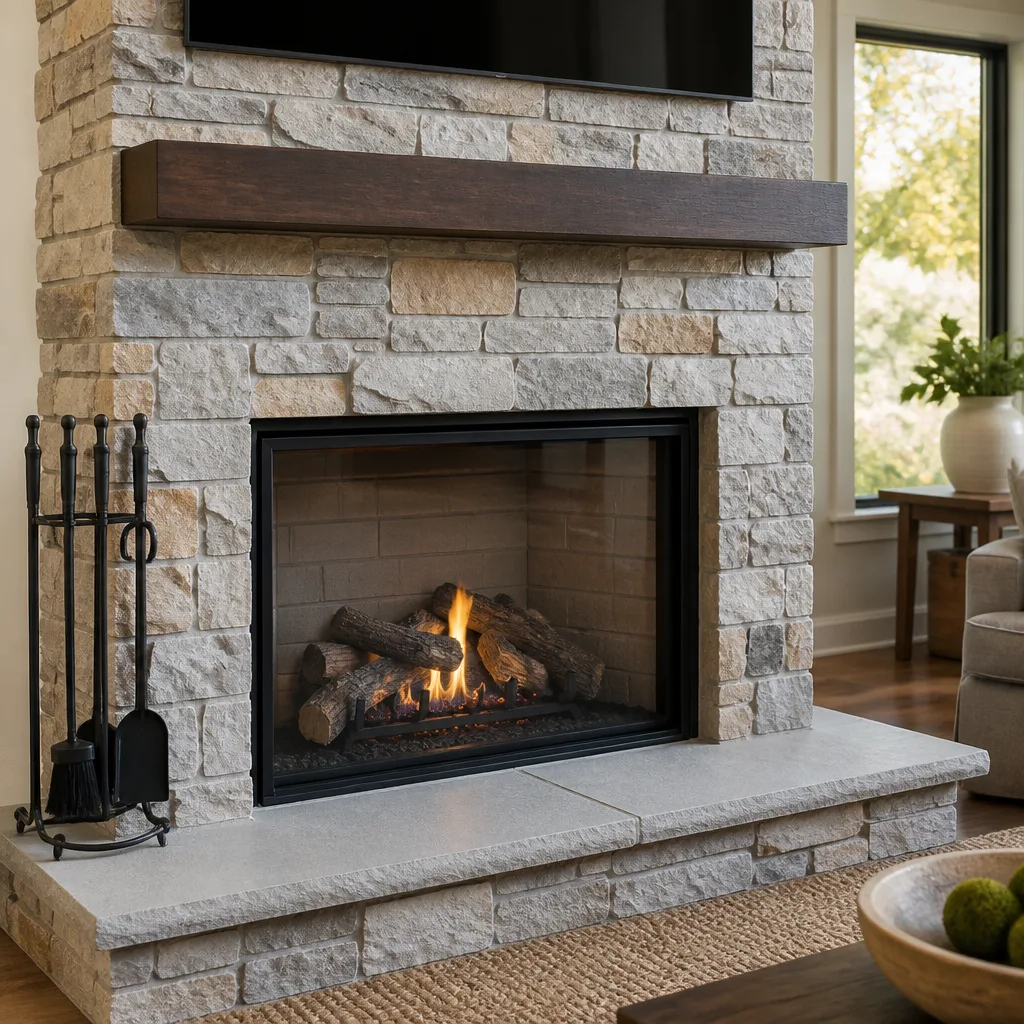 Gas fireplace service
Level 1 sweep and inspection to the NFPA 211 annual standard - flue, crown, cap, and flashing checked and photographed
Chimney sweep logs do not sweep chimneys. They loosen some creosote - which then falls where a brush and vacuum still have to collect it.
Chimney Sweep Maintenance Schedule: What to Do and When
Most Whittier homeowners schedule their chimney sweep in October, right before they start using the fireplace. That’s exactly backwards. October is when you discover problems you no longer have time to fix before the first cold night. A proper maintenance schedule spreads the work across the year so the fireplace is ready when you actually need it, not when you suddenly remember it. This guide lays out a month-by-month calendar built around Southern California’s real burning season, the LA Basin’s air quality rules, and the inspection intervals that actually matter. If you’ve ever wondered whether once a year is enough, or why your gas log set still needs attention, this is the guide for you.
Quick Answer
A chimney serving a wood-burning fireplace in Whittier should be swept every 40 to 60 fires, which for most households lands somewhere between an annual and biennial appointment, and it’s smartest to book that sweep in February or March after burning season ends. Gas log sets burn cleaner but still need an annual visual inspection for burner operation and venting. Dryer vents need cleaning based on household size and laundry volume, not just once a year. The full routine includes quarterly visual checks you can do yourself, a post-season sweep, and a pre-season inspection that confirms the cap, crown, and flue are ready before you strike the first match.
Styles & brands we work with
- Sweep & inspection
- Caps & crowns
- Flue relining
- Masonry repair
- Gas fireplace service
Table of Contents
- Why the October Sweep Is Backwards
- The Annual Maintenance Calendar
- Wood vs. Gas Logs: Different Schedules
- The Quarterly Visual Checks You Can Do Yourself
- Dryer Vent Cleaning: Timing by Household Size
- SCAQMD No-Burn Days and Your Burning Schedule
- When Sweeping Isn’t Enough: Repair Triggers
Why the October Sweep Is Backwards
Plenty of Whittier homeowners treat chimney maintenance like a switch they flip in late fall. The weather cools, someone in the house says “we should use the fireplace this year,” and then the calls start. The problem with that timing is simple: if the sweep reveals a cracked flue tile, a deteriorating crown, or a damper that won’t seat, you’re now three weeks away from wanting to use that fireplace and looking at a repair that takes longer than you have patience for.
Booking the sweep in February or March flips the equation. Burning season in Southern California is short. Most households burn from late November through early February, sometimes into March if the nights stay cool. By the time February rolls around, you’ve finished your fires for the season. The creosote is in there, the ash is in there, and the flue is exactly as dirty as it’s going to get before you stop using it. A post-season sweep removes all of that so it’s not sitting in your chimney through spring and summer, and it gives you a repair window measured in months, not days. If the technician finds cracked tiles or a worn damper, you can schedule the fix in April or May without any pressure from the thermometer.
We’ve seen this play out both ways. Homeowners who sweep in February get the quiet satisfaction of knowing their fireplace is ready in November. Homeowners who sweep in October sometimes spend their first cold night waiting for a part that’s backordered.
There’s also the smell factor. Creosote absorbs moisture and odor. A chimney full of creosote and ash sitting through a Whittier summer, with its hot dry days and occasional humidity, can send smells back into the living room. A clean chimney in March doesn’t do that.
The Annual Maintenance Calendar
Here’s the month-by-month breakdown that works for a typical Whittier wood-burning household.
- January: Burning season continues. Keep an eye on how the fire behaves. If smoke spills into the room when you open the door, note it and mention it to your sweep. This is a symptom, not a personality quirk of your fireplace.
- February: Burning season winds down. This is the month to book your chimney sweep. You want the flue cleaned while the creosote is fresh and before it sits through the warm months. If the sweep finds damage, you now have spring and summer to fix it.
- March: The post-season sweep happens this month if February got away from you. Also a good time to have the dryer vent checked if you haven’t done it in a while. Spring is an easy time to knock out both fire-safety services in one call.
- April: Repair season begins. If the sweep found flue damage in February or March, schedule the repair now. A HeatShield resurfacing job or a new DuraFlex liner takes time, and April gives you breathing room before any contractor in the LA Basin gets busy with summer work.
- May: Check the chimney cap. Whittier’s dry season means birds and rodents are looking for nesting spots, and a chimney without a proper cap is an open invitation. A Gelco cap with a solid screen keeps animals out while still venting properly.
- June through August: The offseason. Your chimney is cleaned and your dryer vent is clear. There’s nothing to do except keep an eye on things after any notable wind events or heat waves. Check for spalling on the crown and any new cracks in the masonry. This is also the ideal window for any larger structural work you’ve been putting off, since demand is lower.
- September: The pre-season check. A month or two before you plan to burn, do the quarterly visual inspection and confirm everything looks right. If you skipped the February sweep, this is your last reasonable chance to book one before the rush.
- October: If you haven’t swept, do it now, knowing that any repairs found may not be complete before the first cold night. Also verify the damper opens and closes smoothly and the flue is unobstructed.
- November: First fire of the season. Use a small, hot fire first rather than loading the box full. This warms the flue gradually and confirms everything is drawing properly before you commit to a full evening of burning.
- December: Peak burning season. Keep an eye on ash depth and creosote buildup. If you’re burning more than usual because the nights are colder, adjust your sweep timeline accordingly.
This calendar assumes a standard wood fireplace used one to three times per week during the cold months. If your usage is heavier, the sweep interval shortens. If you rarely burn, you may be able to stretch it, though you should never go more than two years between inspections regardless of burn count.
Wood vs. Gas Logs: Different Schedules
Wood-burning fireplaces and gas log sets have fundamentally different maintenance needs. A lot of Whittier homeowners assume gas means zero maintenance, which is true until it isn’t.
Wood fires produce creosote, a flammable byproduct of incomplete combustion. It condenses on the flue walls as smoke cools on the way up, and it’s the reason chimney fires happen. The rule of thumb from NFPA 211, the fire protection standard for chimneys, is that a flue should be swept when creosote buildup reaches 1/8 inch. For most households burning seasoned wood two or three nights a week, that threshold arrives after roughly 40 to 60 fires. That means the typical wood-burning family in Whittier needs an annual inspection and either an annual or every-other-year sweep. If you burn green wood or scrap lumber, creosote builds faster and the sweep comes sooner.
Gas logs don’t produce creosote, which is why so many people think they’re maintenance-free. What they produce is water vapor and combustion byproducts that can corrode the damper, the log set itself, and the venting. A gas fireplace that’s drawing improperly can send carbon monoxide into the home, which is a serious hazard you won’t see or smell coming. Gas log sets need an annual visual inspection that covers the burner, the pilot assembly, the damper position, and the venting. The chimney still needs to be checked for animal nests, cracked tiles, and cap condition. You may not need a sweep every year with gas, but you absolutely need eyes on the system.
There’s a third category worth mentioning: households that use the fireplace fewer than five times a year. These folks are often told they can skip maintenance entirely, which isn’t quite right. A chimney that sits unused for long periods is exactly where animals nest and where water enters through cracks in the crown or cap. Even if you almost never burn, an inspection every two years catches problems before they become structural. The flue won’t be dirty from use, but it can still be blocked, cracked, or compromised.
The Quarterly Visual Checks You Can Do Yourself
Between professional visits, there are three specific things worth checking with your own eyes. None of these require a ladder or touching the chimney. These are the same checks a technician does first, and they’ll tell you whether a professional visit needs to happen sooner than scheduled.
- Spalling crown. The crown is the concrete or mortar cap at the very top of the chimney. Over years of hot dry summers and cool winter nights, it develops small cracks that let water into the masonry. From the ground, look for pieces of concrete or mortar on the roof near the chimney, or visible chipping along the top edge. Spalling gets worse every year, and the fix is cheaper when caught early.
- Efflorescence staining. Efflorescence is the white, chalky residue that appears on brick or masonry when water moves through it and evaporates, leaving mineral deposits behind. If you see white staining on the chimney’s exterior, water is getting in somewhere. It might be a cracked crown, failed flashing, or porous brick. The staining itself isn’t structural damage yet, but it’s a sign that water is working its way through your chimney, and that’s never good.
- Cap screen condition. The cap is the metal assembly on top of the flue that keeps rain, animals, and debris out. Its screen keeps birds and rodents from nesting while still allowing proper draft. From the ground, check whether the cap is still sitting level and whether the screen looks intact. A missing or damaged screen means animals can get in, and a raccoon or bird nest in a flue is a fire hazard and a ventilation problem. We install Gelco caps for exactly this reason: they’re purpose-built to handle years of Southern California sun without warping or rusting through.
Do these checks four times a year: roughly at the change of seasons, or January, April, July, and October. Ten minutes of observation beats discovering a problem on the first cold night of November.
Dryer Vent Cleaning: Timing by Household Size
Most advice about dryer vent cleaning says “once a year,” full stop. That’s simple to remember, but it misses the actual variable: how much lint your household produces. A couple doing two loads a week generates far less lint than a family of five doing eight loads a week, including kids’ sports uniforms and towels.
Here’s a more practical schedule based on household size and laundry volume:
- One or two people, 2 to 4 loads per week: Clean the dryer vent every 18 to 24 months. Annual cleaning isn’t wasteful, but it’s likely more often than you need. The exception is if the dryer vent run is long or has multiple bends, which traps lint faster.
- Three to four people, 5 to 7 loads per week: Clean the dryer vent annually. This is the household size where once-a-year advice actually fits.
- Five or more people, 8+ loads per week: Clean the dryer vent every 6 to 12 months. Families with kids generate laundry at a rate that fills a vent with lint in a single year, and a clogged dryer vent is a leading cause of residential dryer fires.
The other factor in Whittier specifically is the vent’s exit location. Many homes in this area route dryer vents to the roof or through short sidewall runs. Roof vents collect lint at the termination point and can get blocked by debris more quickly, especially in dry windy conditions that blow dust and leaves around. Short sidewall runs are easier to clean and less prone to buildup, but they still need periodic checking. After cleaning, the vent should be closed out with matched termination hardware. We use Famco vent terminations because they’re built to code and designed to seal properly, which keeps moisture and pests out of the vent line.
The quiet benefit of regular dryer vent cleaning is that your dryer works better. An obstructed vent means longer dry times, higher energy use, and more wear on the machine. It’s a fire-safety service with a practical convenience benefit.
SCAQMD No-Burn Days and Your Burning Schedule
Here’s a factor that doesn’t show up in most chimney maintenance guides, and it’s genuinely important for Whittier homeowners. The South Coast Air Quality Management District, SCAQMD for short, issues mandatory no-burn days during the fall and winter when fine particulate matter in the LA Basin reaches unhealthy levels. On those days, burning wood in a residential fireplace is prohibited throughout much of the basin, including Whittier. The rule applies to most of the region and carries fines for violations.
No-burn days affect your maintenance schedule in a way most people don’t think about. If you’re planning to burn 40 fires a year, but a dozen of those planned evenings are shut down by a no-burn alert, your actual burn count is closer to 28. That’s still enough to require an annual inspection, but it changes how long a sweep interval can safely stretch. On the flip side, if you burn on every allowable day and accept that some winters have more alerts than others, you might hit the creosote threshold faster than you expect in a good clean winter with few restrictions.
Checking the SCAQMD no-burn calendar before a planned fire is part of responsible fireplace ownership in Whittier. It’s not just a matter of legal compliance; the same stagnant air conditions that trigger a no-burn day are conditions where chimney smoke doesn’t disperse well, which means your neighbors are breathing more of what comes out of your flue.
The practical takeaway from a scheduling perspective is this: track your actual burn count rather than assuming you hit some magical annual number. If you know you burned 50 fires because you had a warm dry winter with few no-burn days, schedule the sweep. If you burned 25 because the alerts kept coming, a visual inspection might be sufficient, though the safest rule is still an annual professional check.
When Sweeping Isn’t Enough: Repair Triggers
A sweep removes creosote and gives the technician a clear view of the flue. What it doesn’t do is fix structural problems. Sweeping and repair are different services, and knowing which one you need makes a real difference in what you’re willing to pay for and when.
Here are the findings that turn a sweep into a repair conversation:
- Cracked or spalled flue tiles. Clay flue tiles crack from years of heating and cooling cycles. A cracked tile can’t be fixed by cleaning. It needs either a resurfacing product like HeatShield, which is a ceramic material applied to the flue walls to seal cracks and create a smooth continuous surface, or a full reline with a flexible liner system like DuraFlex. The HeatShield route works for minor cracking and is faster and less invasive than a full reline. A chimney with multiple cracked tiles or serious gaps usually needs a DuraFlex reline, which gives you a brand-new flue surface inside the existing masonry.
- Water damage to the crown or masonry. A cracked crown lets water into the brick, which degrades mortar joints and can lead to the kind of efflorescence staining described earlier. This is the point where a homeowner’s quarterly check actually triggers action: if you see new staining or spalling, call for an inspection sooner rather than later. Crown repair and repointing are not chimney sweeps; they’re structural maintenance that prevents the chimney from degrading into a safety hazard.
- An animal nest in the flue. A sweep removes nest debris and feathers, but if the animal entered through a damaged or missing cap, the cap problem needs solving. We close out every job with matched hardware, usually Gelco caps, because a repaired flue with a fault cap is just an invitation for the next animal.
- A damper that won’t seat or move. Dampers warp and corrode over time, especially in gas fireplaces where combustion moisture is a factor. A damper that won’t fully close means warm air from the house escapes up the chimney all winter, which is expensive and drafty. A damper that won’t open means smoke backs up into the room. Both are repair items, not cleaning items.
Here’s the way to think about it: a sweep is what you do to maintain a functioning chimney. A repair is what you do when the chimney has stopped functioning correctly. The post-season sweep in February or March is the moment you find out which one applies to your house this year. If the answer is “repair,” you have spring and summer to get it done right.
Common Mistakes to Avoid
- Scheduling the sweep in October “like everyone else.” This is the single most common mistake, and it’s understandable. But an October sweep leaves no room for repairs before the first fire, which defeats the purpose of the inspection.
- Assuming gas logs mean no maintenance. Gas logs don’t make creosote, but they do produce moisture and carbon monoxide if the venting is compromised. An annual visual inspection is still non-negotiable.
- Ignoring the dryer vent because “the chimney is the fire risk.” Dryer vents cause thousands of residential fires annually in the US. If your house has a fireplace and a dryer, both need maintenance, and the same company can do both in one call.
- Waiting until you see smoke in the room to address a drafting problem. Smoke spillage is a symptom of a flue problem, a blocked vent, or a damper issue. If you’re seeing it, the system has already been compromised for a while. Don’t wait for it to get worse.
- Burning green or unseasoned wood because “we have some logs from last year.” Green wood burns cooler and produces more creosote. Use properly seasoned wood, which means split and stacked for at least six months. In Whittier’s dry climate, wood seasons well if stacked with airflow, and burning seasoned wood is the single best thing you can do for your flue.
- Skipping the cap because “we never had animals before.” The neighbor’s chimney always has animals before yours, until your turn comes. A proper Gelco cap with an intact screen costs a fraction of what it takes to remove a nest and fix the damage.
- Treating a sweep and an inspection as the same thing. A chimney sweep removes creosote. An inspection evaluates the structural and functional integrity of the chimney. You want both, which is why the best sweep includes a real evaluation of what’s going on in there, not just a brush through the flue.
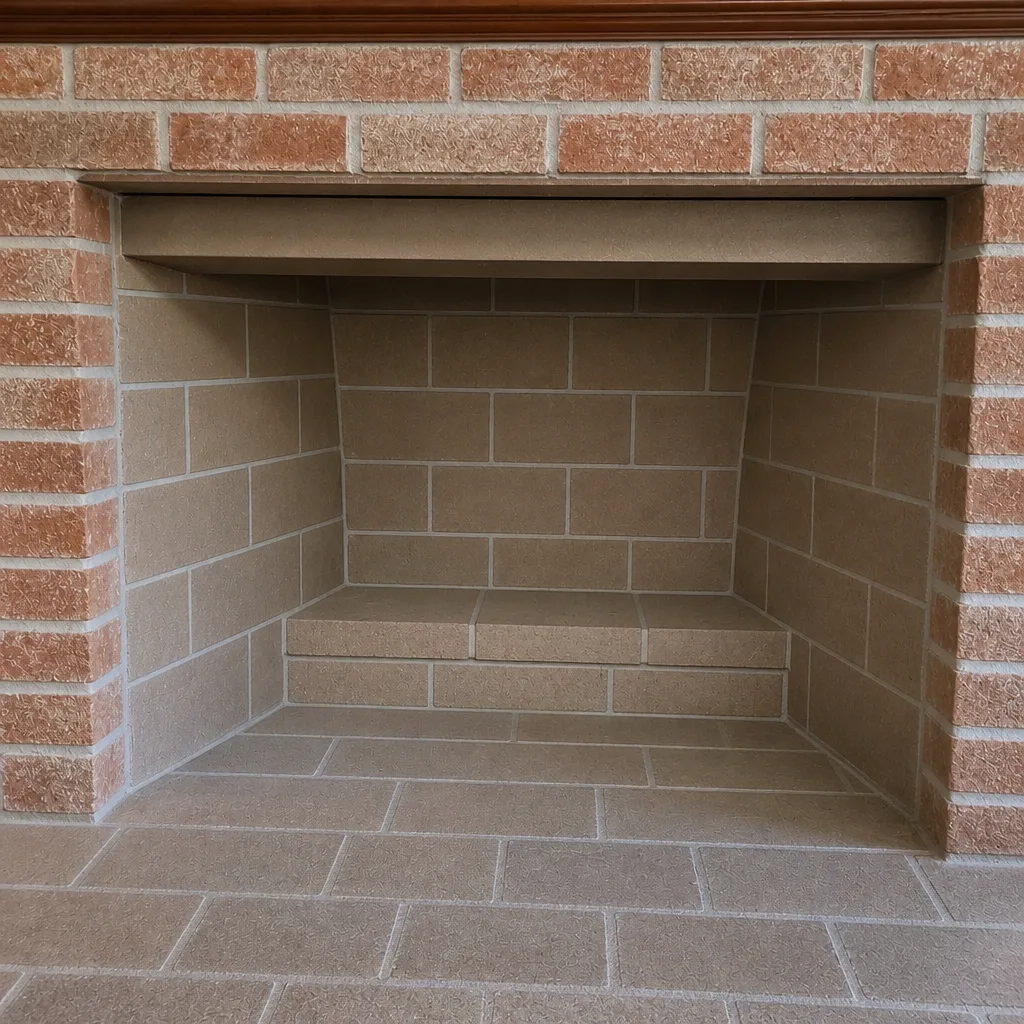
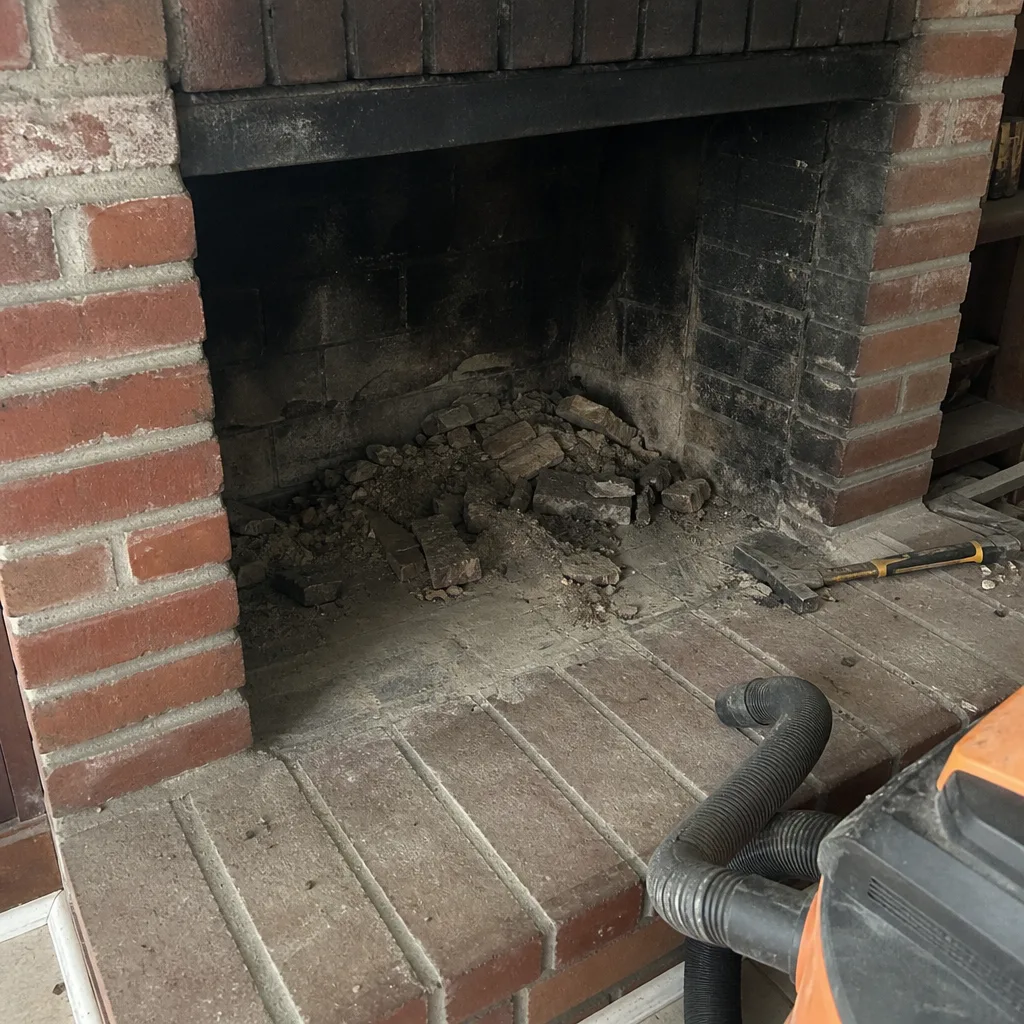
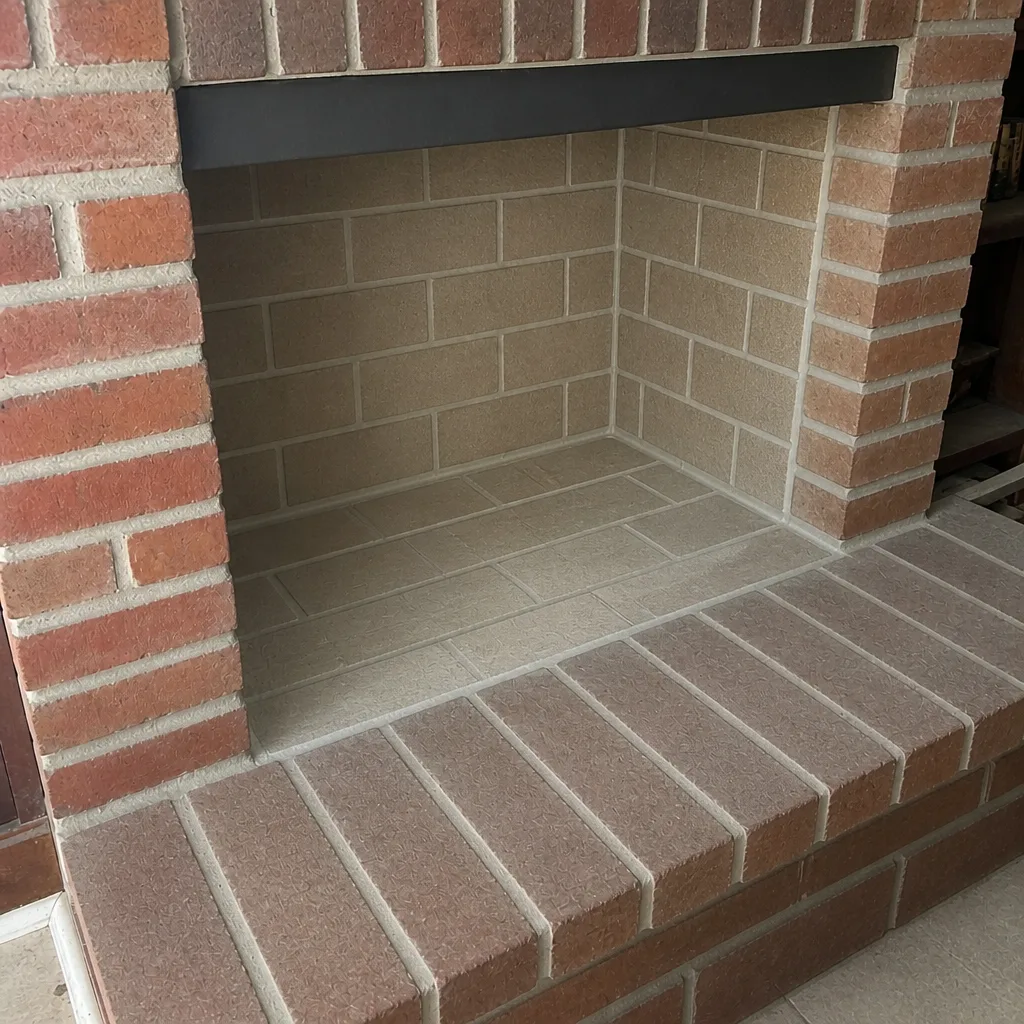
See the difference
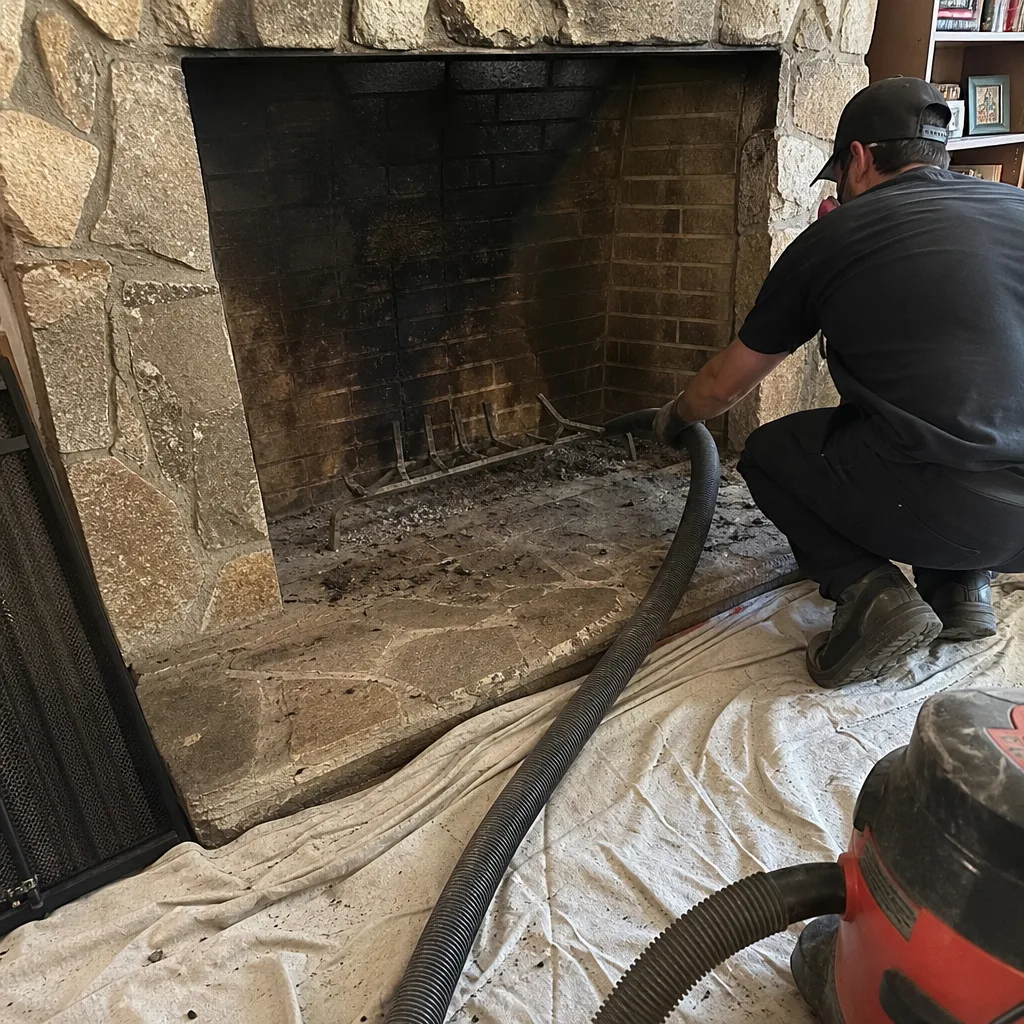 Before
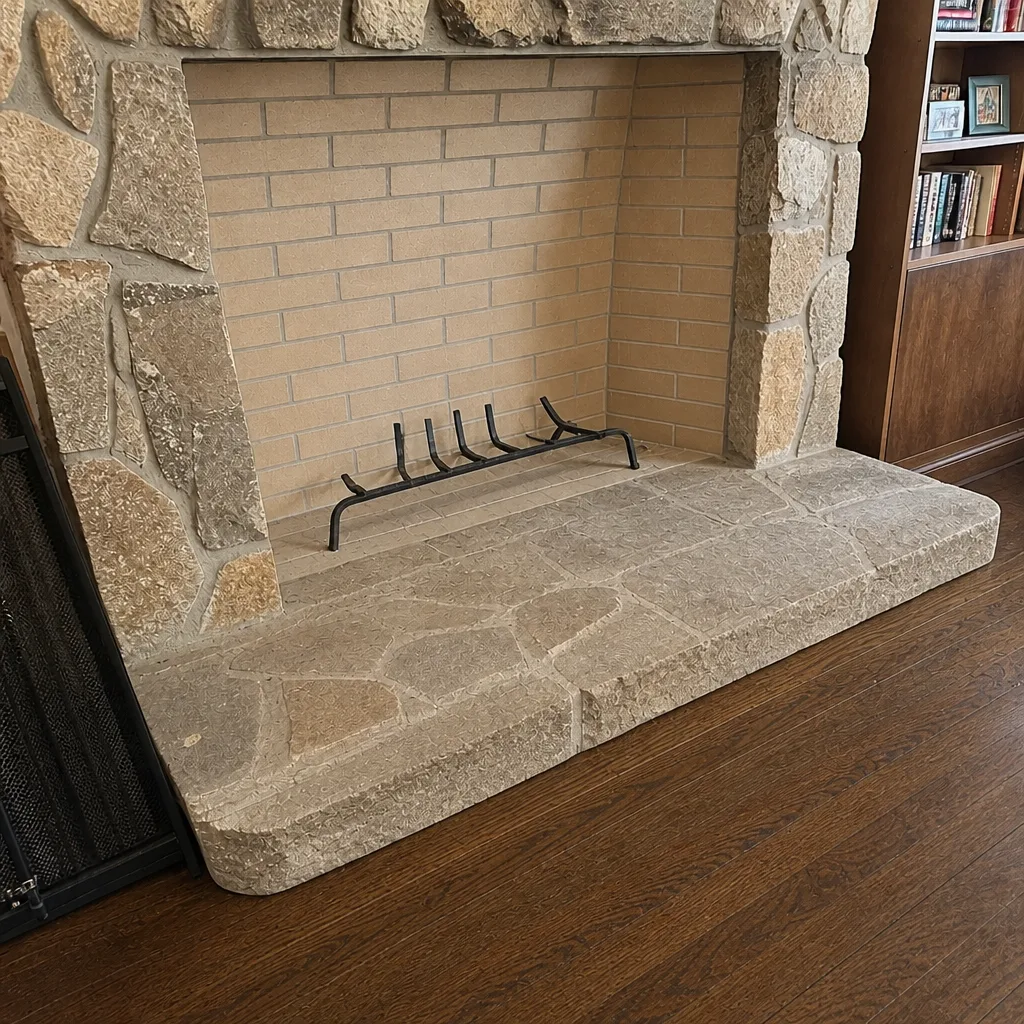 After
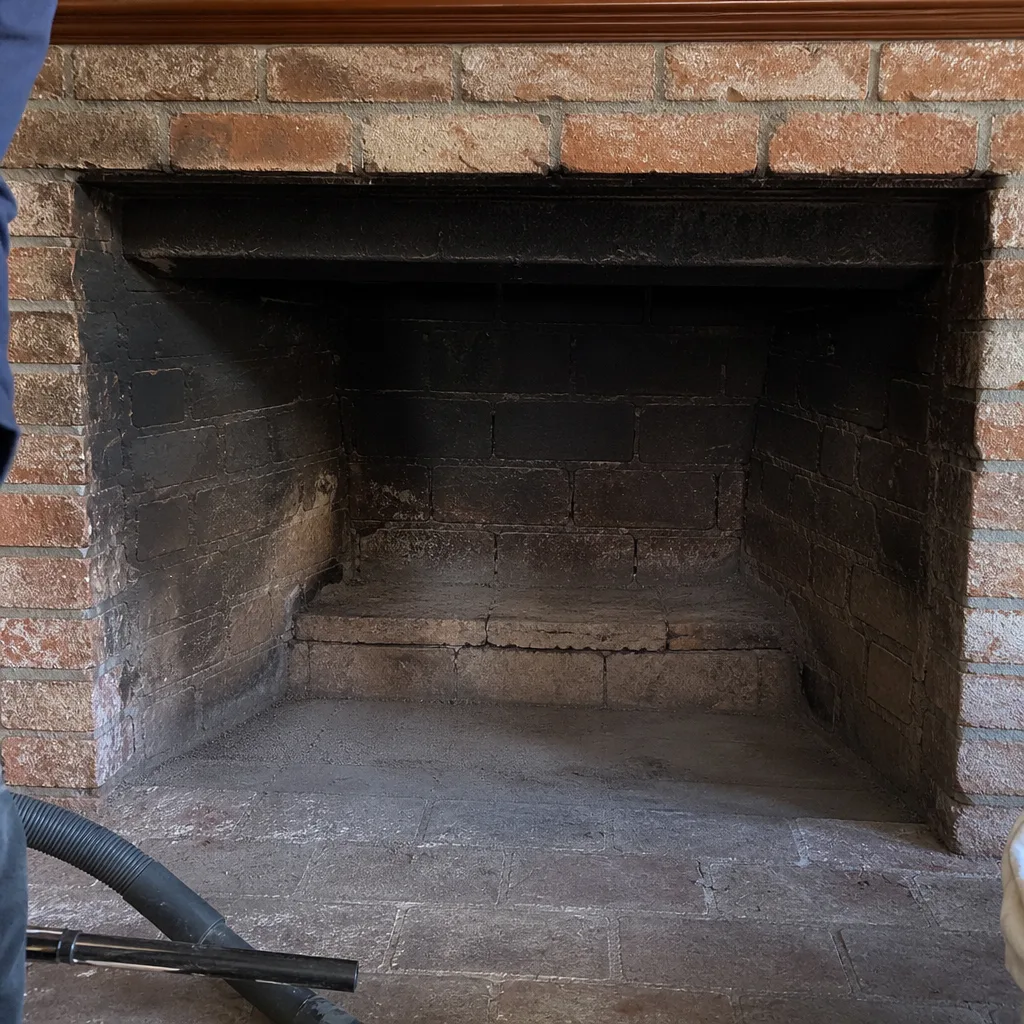 Before
 After
 Before
 After
When to Call a Professional
Call a professional if you see efflorescence staining or spalling on the chimney exterior, if smoke spills into the room during normal use, if you hear animal sounds in the flue, if the dryer takes more than one cycle to dry a load, or if you haven’t had the chimney inspected in more than two years regardless of how little you’ve used it. Any of these is a sign that something has changed in a system that doesn’t change much when it’s working right. Chimney Sweep Whittier offers free estimates in Whittier and covers chimney sweeping, chimney repair, and dryer vent cleaning without subcontracting any of it. Call (866) 361-2279. We answer 24/7. Fast dispatch from 7am to 7pm, Sunday through Friday.
Frequently Asked Questions
How often should a chimney be swept in Whittier?
A chimney serving a wood-burning fireplace should be swept every 40 to 60 fires, which for most Whittier households works out to an annual or every-other-year appointment. The more useful rule is to book the sweep in February or March after burning season ends, so any problems found can be fixed before the next winter.
Do I need a chimney sweep if I have gas logs?
Gas logs still need an annual visual inspection for burner operation, damper position, venting integrity, and carbon monoxide risk. The chimney doesn’t accumulate creosote, but it can still develop cracks, animal nests, and cap problems that only get caught when someone looks. Call (866) 361-2279 to ask about a gas log inspection, and the estimate is free.
What happens if I skip chimney maintenance for a few years?
Creosote builds up and becomes a fire hazard, water enters through cracked crowns and caps and damages the masonry, and animals move in through damaged screens. The longer you skip it, the more likely a simple sweep turns into a repair. The cheapest sweep is the one you schedule before there’s a problem.
How much does a chimney sweep cost in Whittier?
The estimate is free and the price is set per job by the written estimate. The cost depends on the condition of the flue, the type of fireplace, and whether any repairs are needed beyond the sweep itself. Call (866) 361-2279 for a free estimate and a specific number for your chimney.
Should I clean my dryer vent every year?
It depends on household size and laundry volume. A one or two-person household doing two to four loads a week probably only needs cleaning every 18 to 24 months. A family of five or more doing eight or more loads a week should clean it every 6 to 12 months. In Whittier’s dry climate, roof-terminated vents collect lint and debris quickly, so check the termination point regularly.
What’s the difference between a sweep and an inspection?
A sweep removes creosote and soot from the flue. An inspection evaluates the structural and functional condition of the chimney, including the crown, cap, flue tiles, damper, and firebox. The best service combines both, so every sweep should include a real look at what’s going on inside the flue, not just a brush through it.
The Bottom Line
A chimney maintenance schedule that actually works for Whittier homeowners isn’t just “once a year in the fall.” It’s a post-season sweep in February or March that gives you time to fix what the sweep finds. It’s quarterly visual checks that catch crown and cap problems before they become structural. It’s dryer vent cleaning timed to your actual laundry volume rather than a generic annual rule. And it’s an honest accounting of how many fires you actually burned, no-burn days included. Get the schedule right and the fireplace is ready when you want it, not when you finally get around to it.
Written by the team at Chimney Sweep Whittier, serving Whittier since 2014.