
Last updated November 4, 2026
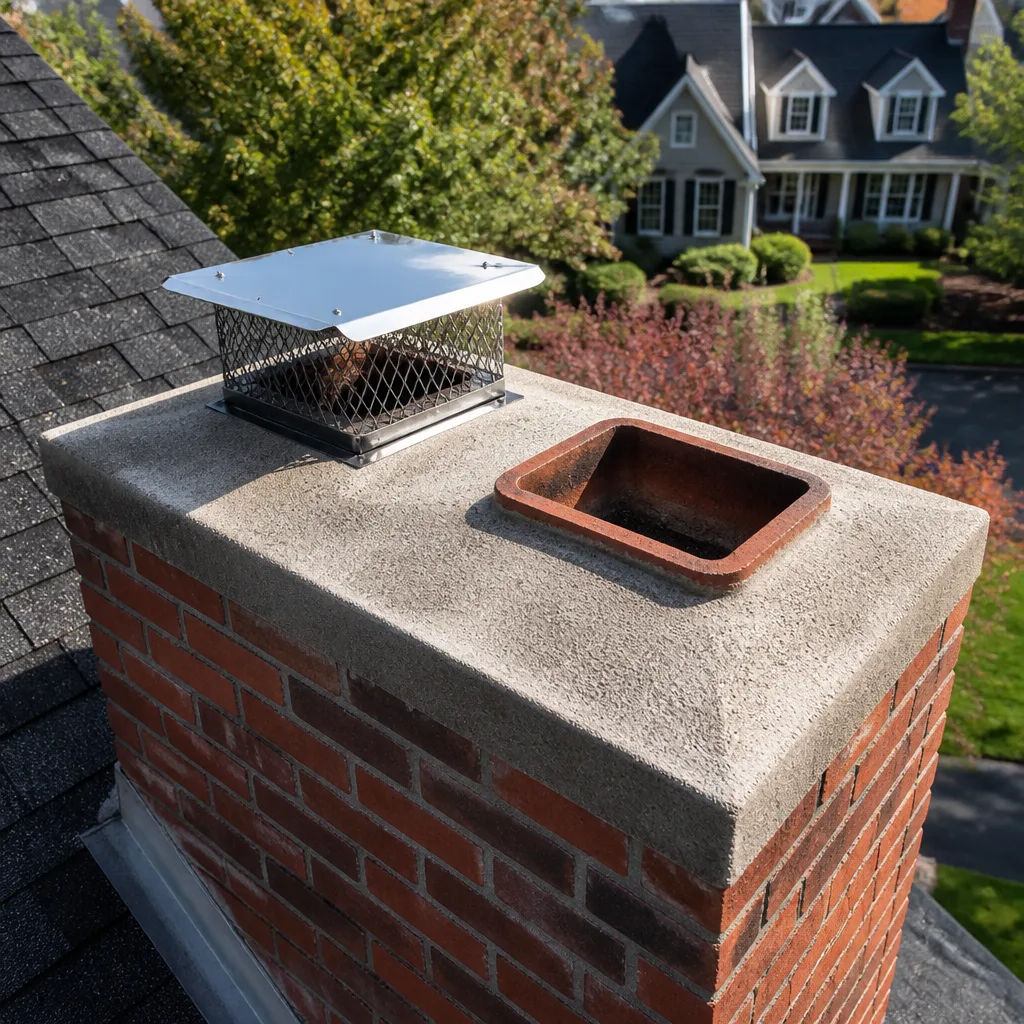 Sweep & inspection
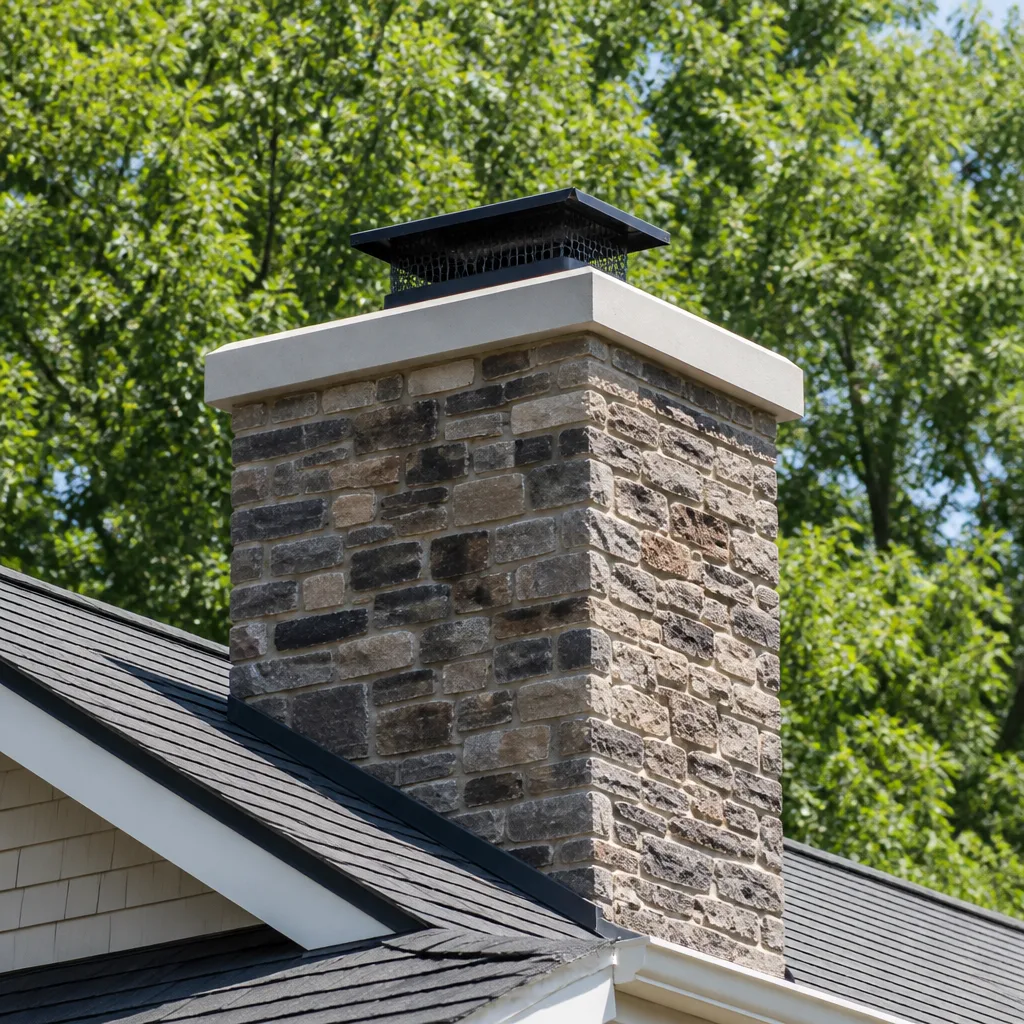 Caps & crowns
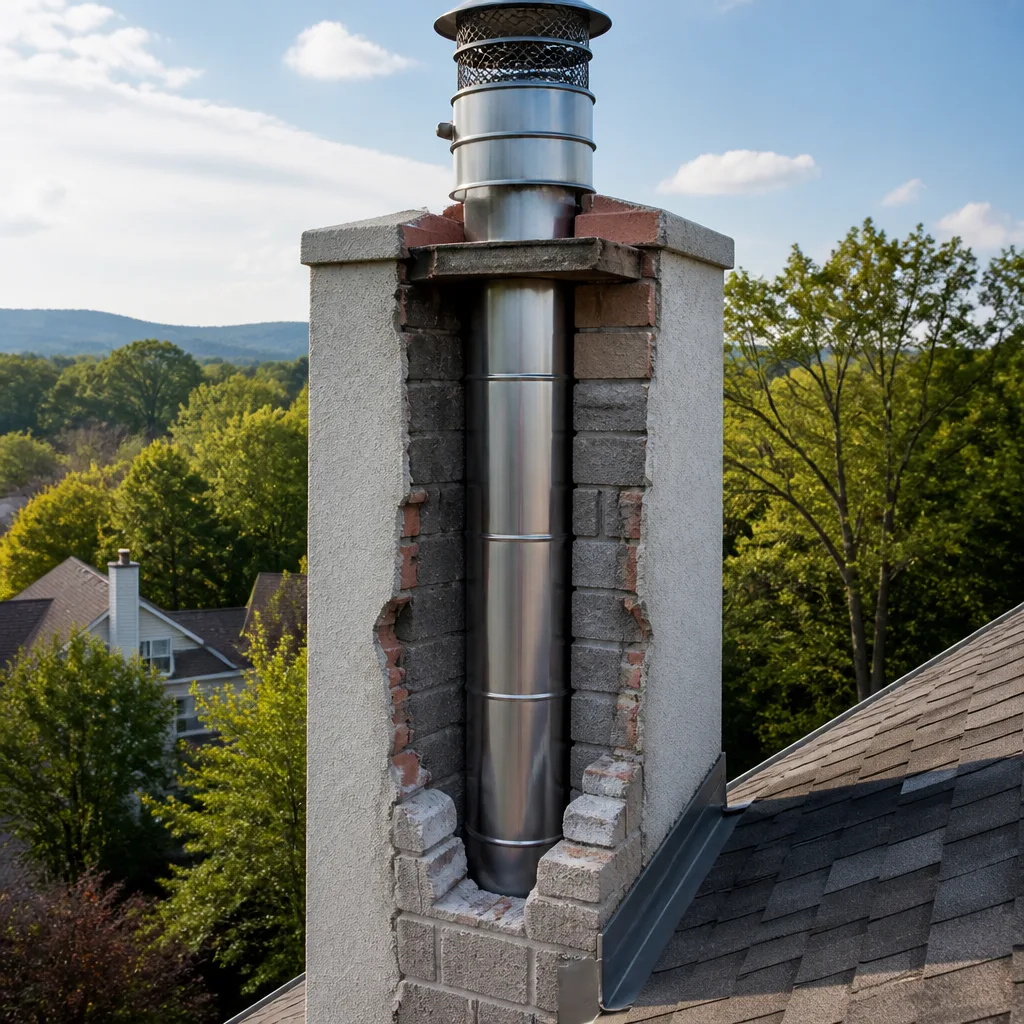 Flue relining
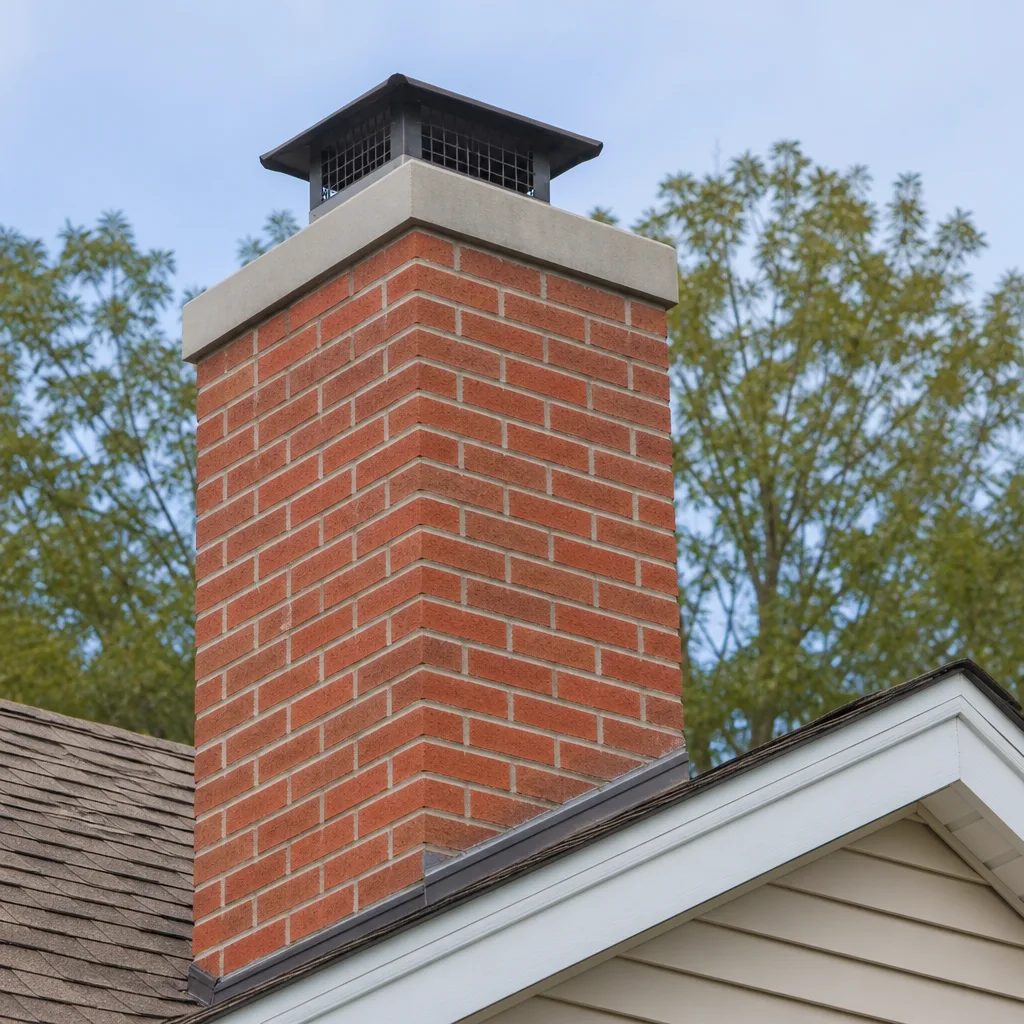 Masonry repair
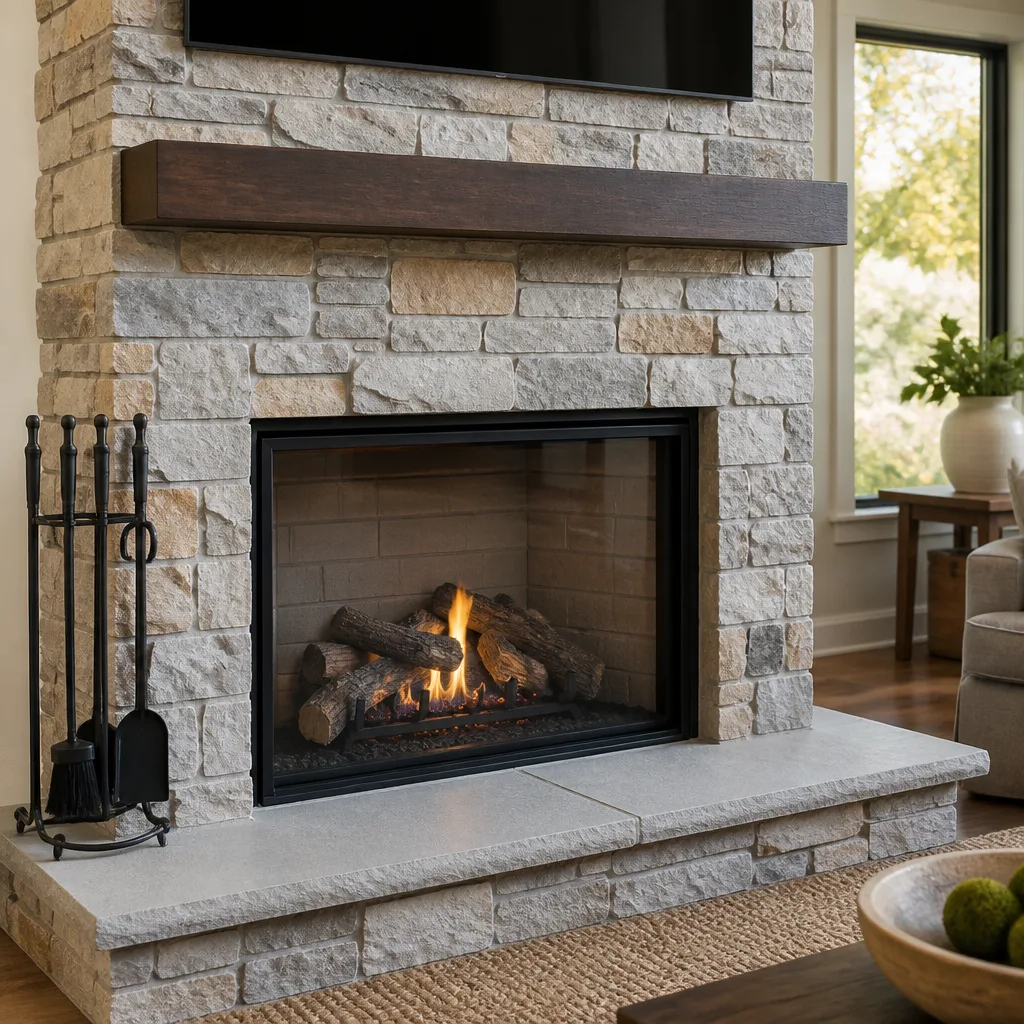 Gas fireplace service
Level 1 sweep and inspection to the NFPA 211 annual standard - flue, crown, cap, and flashing checked and photographed
Chimney sweep logs do not sweep chimneys. They loosen some creosote - which then falls where a brush and vacuum still have to collect it.
The Complete Guide to Chimney Cleaning in Whittier
Most Whittier homeowners use their fireplace fewer than 15 times a year. That sounds safe on paper, but here’s what national guides miss: inconsistent, low-heat burns actually produce Stage 2 creosote faster than frequent high-heat fires do. A fire that smolders at low temperature creates the exact conditions where unburned wood gases condense inside the flue as a dense, tarry residue. Whittier’s mild winters mean exactly that kind of burn pattern, and it changes how a chimney should be cleaned, inspected, and maintained. This guide explains the full process, what a legitimate sweep actually includes, and how to verify the work was done right.
Quick Answer
Chimney cleaning in Whittier involves removing creosote and debris from the flue, smoke chamber, and firebox using either wire brushes or contractor-grade rotary cleaning systems. In Whittier’s mild climate, the typical burn pattern creates denser creosote per use than colder cities, which means visual checks alone often miss buildup that a camera inspection catches. A professional sweep, inspection, and any needed repair work should be done by a company that handles both maintenance and structural fixes, not just a brush-and-go crew.
Styles & brands we work with
- Sweep & inspection
- Caps & crowns
- Flue relining
- Masonry repair
- Gas fireplace service
Table of Contents
- Why Whittier’s Climate Creates a Different Creosote Pattern
- How Whittier’s Housing Stock Affects Chimney Cleaning
- Visual Inspection vs. Level 2 Camera Inspection
- What a Professional Sweep Actually Includes, Step by Step
- Rotary Cleaning Systems vs. Standard Brushes on Older Flue Tiles
- How Often Should You Sweep a Chimney in Whittier?
- Repair Materials That Matter: What Goes Into Your Flue
- Common Mistakes to Avoid
- When to Call a Professional
- Frequently Asked Questions
Why Whittier’s Climate Creates a Different Creosote Pattern
Whittier sits in a Mediterranean climate zone with mild winters where homeowners rarely need a fire burning all day, every day for months. Instead, the typical pattern is a fire on a cool evening here and there, then nothing for weeks. That intermittent schedule is exactly what creates dense creosote.
Here’s why. Wood fires produce smoke full of unburned gases and water vapor. When that smoke hits a flue that’s still warming up, the gases condense on the flue walls. In a cold-climate city, the chimney gets hot and stays hot through months of regular use, which drives off moisture and keeps the creosote drier and flakier. In Whittier, the flue often never fully heats before the fire goes out. Each short, low-temperature burn leaves a fresh layer of sticky, tar-like creosote on top of the last one.
That kind of buildup is called Stage 2 creosote, and it’s the type most likely to resist brushing. It’s dense, it adheres to flue tiles, and it’s a serious fire hazard. The practical takeaway: a Whittier chimney can look neglected even when the homeowner only used the fireplace a handful of times, because each use deposited a concentrated layer of the most troublesome creosote type.
The same pattern applies to gas fireplace inserts, though differently. Gas burns cleaner than wood, but gas appliances still produce acidic condensation that can accumulate on flue surfaces over time. Add Whittier’s stagnant air pockets and occasional Santa Ana wind events, and chimneys here collect a mix of fine particulate, spider webs, and dust even in fireplaces that are rarely used at all.
That’s why our approach treats cleaning as a diagnostic process, not a wipe-down. We look at how the flue responds to brushing, where the residue sits thickest, and what the buildup pattern tells us about how the system is being used. That information directly shapes the right cleaning method for the home.
How Whittier’s Housing Stock Affects Chimney Cleaning
Large portions of Whittier’s residential neighborhoods were built between the 1950s and 1970s. Those homes often have masonry chimneys with terra cotta clay flue liners, which were the standard material of that era. Terra cotta is durable, but after 50 to 70 years, the mortar joints between liner sections begin to erode, and the clay tiles themselves can crack from heat stress or minor settling.
This matters for cleaning in two ways. First, an older flue with degraded mortar joints gives creosote more surface texture to grip, which makes the buildup harder to remove with a basic brush. Second, agitating a damaged liner with aggressive cleaning can worsen existing cracks. A proper chimney sweep starts by assessing liner condition, then chooses a cleaning method that won’t make a fragile flue worse.
Here’s a breakdown of how housing era typically maps to chimney condition in our region:
- Pre-1950s: Masonry chimneys often show unlined or thinly lined flues, occasionally with previous patch repairs done with materials that have since failed. Cleaning needs to be especially careful around older mortar.
- 1950s-1970s: Terra cotta liners are common. Expect hairline cracks at tile joints and some spalling on the firebrick in the firebox. Rotary cleaning with nylon or poly lines works well here without gouging the clay.
- 1980s-2000s: Many homes have prefabricated metal chimney systems or stainless liners installed during renovations. These require specific brush types and gentler pressure than masonry flues.
- 2000s-present: Newer construction tends to use factory-built chimneys or direct-vent gas systems with smaller flues, where annual visual checks matter more than aggressive brushing.
None of this means an older Whittier home can’t be safely cleaned and maintained. It means the cleaning method has to match the liner type and its current condition, and that’s a decision made on site, not from a generic one-size-fits-all playbook.
Visual Inspection vs. Level 2 Camera Inspection
There are two common levels of chimney inspection, and they answer different questions. A visual inspection, often called a Level 1, is what happens during a routine cleaning. The technician looks down the flue from the top, up from the firebox, and at the accessible exterior masonry. It catches obvious creosote, blockages, and visible damage.
A Level 2 camera inspection goes further. A specialized camera is run through the entire flue, recording every liner section, joint, and offset. This is the inspection that finds hidden cracks, gaps in mortar joints, deteriorated liner tiles, and buildup that a flashlight from the roof can’t see.
When does each apply in Whittier?
- Routine annual cleaning with no known issues: A visual inspection alongside the sweep is usually sufficient, assuming the chimney has been regularly maintained and nothing unusual appears during cleaning.
- First cleaning in a newly purchased home: A Level 2 camera inspection is the right call. You don’t know the chimney’s history, and older Whittier homes often have deferred maintenance from previous owners.
- After any weather event or seismic activity: Whittier sits in an earthquake-prone region with several nearby fault zones. A camera inspection reveals hairline shifts in the liner or masonry that could become fire hazards.
- When burning performance has changed: If the fire smokes more than it used to, if there’s a new odor, or if the draft feels weaker, the flue has changed somehow. A camera inspection finds why.
- Before installing a new appliance or liner: Any fireplace insert, stove, or relining project should start with a camera inspection to establish the existing flue’s condition and dimensions.
In our experience, Whittier homeowners buying older homes benefit the most from camera inspections. We’ve found deteriorated flue liners in fireplaces that had been “cleaned annually” by basic brush-only services, simply because the damage was above the sightline from either end. The camera sees what a quick look can’t.
What a Professional Sweep Actually Includes, Step by Step
If you’ve never watched a full chimney cleaning, the process can seem vague. Here’s the sequence a legitimate sweep follows, in order, so you can verify completeness when you book the service.
- Protect the room: Drop cloths cover the hearth and surrounding floor. A high-powered vacuum with a HEPA filter runs continuously from the first sweep stroke to the last, controlling dust before it enters the room.
- Inspect before brushing: The technician checks the firebox, damper, smoke chamber, and flue visually. If a camera inspection is scheduled, it happens now, before cleaning, because fresh brushing can hide old damage.
- Clean from the top down: Accessing the chimney from the roof, the sweep runs the appropriate brush or rotary whip down the flue. The type of brush depends on the liner material: poly or nylon for terra cotta and stainless, wire for masonry without a liner.
- Brush the smoke chamber: The smoke chamber sits above the damper and below the flue. It’s the most frequently skipped area in a cheap sweep, and it’s also a major creosote collection point. Brushing it thoroughly is non-negotiable for a complete cleaning.
- Vacuum the firebox: The firebox gets a full vacuuming, including the ash dump if one exists. The damper assembly is checked for corrosion and proper operation.
- Final visual pass: After brushing, the technician looks again from both ends to confirm no blockages remain. If a camera inspection was done first, a follow-up look confirms the cleaning didn’t leave residue.
- Report and recommendations: You get a clear summary of what was found, what was removed, and what needs attention. If repairs are needed, the recommendation should come with evidence, not a vague warning.
That last point matters more than most homeowners realize. A chimney company that finds damage should be able to show it to you on camera. A recommendation without visual proof is a sales tactic. At Chimney Sweep Whittier, every repair recommendation we make is backed by camera footage the homeowner can see for themselves. If we’re recommending a liner repair, we can show exactly why.
Rotary Cleaning Systems vs. Standard Brushes on Older Flue Tiles
There’s a meaningful difference between a basic wire brush and a contractor-grade rotary cleaning system, especially on the terra cotta liners common in Whittier’s older homes. A standard brush scrapes the flue walls in a single direction. It removes loose Stage 1 creosote and surface dust, but it often leaves the dense, tar-like Stage 2 creosote in place, particularly in the mortar joints and tile offsets where buildup likes to hide.
A rotary cleaning system spins flexible whip lines at high speed against the flue walls. The spinning action works the residue out of textured surfaces, cracked tile edges, and recessed mortar joints without the risk of a metal brush gouging the clay. Different whip materials suit different liners: polyurethane for terra cotta and stainless, metal for unlined masonry.
Why does this matter in Whittier specifically? Because many of the chimneys we service have liners that are 50 to 70 years old. Those tiles have textured surfaces from decades of heat cycling, and the mortar between them has begun to recede. A standard brush glides over most of that texture. A rotary system works into it.
That said, rotary cleaning isn’t automatically the right choice for every chimney. Very fragile liners with active cracks may require gentler manual brushing followed by a repair recommendation rather than aggressive mechanical cleaning. The point is that the method should match the flue’s condition, and a proper sweep knows when to use which.
How Often Should You Sweep a Chimney in Whittier?
The standard recommendation from national fire safety organizations is annual chimney cleaning and inspection for any regularly used fireplace. But “regularly used” means different things in Whittier than it does in Minneapolis. A wood-burning fireplace used 20 evenings a year here still produces enough creosote to warrant annual service. The question isn’t how many fires you had, it’s what kind of fires they were.
Here’s a practical schedule that reflects Whittier’s actual burn patterns:
- Wood-burning fireplace used at least 10 times per year: Annual sweep and inspection, ideally before the first fall fire.
- Wood-burning fireplace used rarely but burning unseasoned wood: Annual sweep. Wet or unseasoned wood produces dramatically more creosote per burn, even in small quantities.
- Gas fireplace insert or log set used seasonally: Annual inspection. The cleaning frequency may be every one to two years, but the inspection should be yearly because gas systems still accumulate debris and condensation.
- Fireplace never used since you moved in: Inspection before first use. A chimney that’s sat idle for years can house bird nests, deteriorating mortar, or a blocked flue no one knows about.
- Homes within wildfire-prone zones or near heavy tree canopy: Check more frequently. Whittier’s hillside neighborhoods see more wind-driven debris entering uncapped chimneys than flatland areas do.
The right cap matters here too. We install Gelco chimney caps and Famco vent terminations, which are matched, code-compatible hardware rather than generic sheet-metal substitutes. A properly fitted cap keeps out debris, rain, birds, and the kind of ember entry that becomes a fire risk during dry conditions.
Repair Materials That Matter: What Goes Into Your Flue
Most Whittier homeowners won’t think about chimney materials until something fails. But what a repair uses determines whether it lasts five years or thirty. This is where the difference between a sweep-only company and a full-service specialist shows up.
When a flue liner has cracked or deteriorated, a sweep-only crew typically recommends replacement but can’t perform it themselves. They hand you a referral, and you start over with a new company. A full-spectrum company diagnoses the problem and handles the repair in-house, using materials specific to the job.
Here’s what that looks like in practice:
- DuraFlex flexible liner systems: Used for full relining when the original terra cotta flue has failed beyond spot repair. DuraFlex is a professional-grade stainless liner system recognized across the chimney industry, and it’s what we use when a chimney needs a complete new flue inside the old masonry chase.
- HeatShield resurfacing product: For flues with cracks and spalling that haven’t fully collapsed, HeatShield repairs the liner surface with a ceramic-based coating that restores the flue’s structural integrity and fire resistance. It’s a material that requires proper technique and isn’t available through general contractors.
- Copperfield supply lines: We source materials through Copperfield and Olympia Chimney supply channels, the same ones used by certified chimney contractors nationwide. That consistency matters when you’re matching components to an existing system.
The homeowner-facing version of all this: contractor-grade materials, not hardware-store substitutes. A DuraFlex liner is not the same product as a generic flexible duct from a home center, and a Gelco cap isn’t a universal-fit piece from a big box store. The materials that go into your chimney determine how long the repair lasts and how safely the system performs.
We also handle dryer vent cleaning as part of our service scope, which addresses one of the leading residential fire hazards in the same call. Most chimney-only companies skip dryer vents entirely. Our position is that a home’s fire safety systems should be maintained together, not piecemeal.
Common Mistakes to Avoid
- Skipping the smoke chamber during cleaning. The smoke chamber is the most common area to be skipped by cut-rate sweeps, and it’s a major creosote reservoir. If your sweep doesn’t mention the smoke chamber, ask whether it was brushed and vacuumed.
- Assuming a rarely used fireplace needs less maintenance. In Whittier’s climate, a fireplace used 10 times a year can accumulate Stage 2 creosote faster than a daily-use fireplace in a cold climate. Annual service is not optional based on frequency alone.
- Accepting a repair recommendation without camera evidence. If a company tells you the liner is cracked but can’t show you the crack on camera, get a second opinion. Visual proof is the standard for legitimate recommendations.
- Burning unseasoned wood. Whittier’s mild climate doesn’t dry firewood as quickly as homeowners assume, and damp wood produces dramatically more creosote per burn. Wood should be split and stacked in a dry, covered area for at least six months before burning.
- Using a standard hardware-store cap on an older chimney. Generic caps often fit poorly on older Whittier chimneys and can actually trap moisture or block draft. Purpose-built caps matched to the flue dimensions are worth the difference.
- Ignoring the dryer vent because a chimney company doesn’t offer it. Dryer vents accumulate lint at a rate that surprises most homeowners, and the risk is just as real as a chimney fire. If your chimney company doesn’t clean vents, find one that does.
- Deferring a Level 2 camera inspection when buying an older Whittier home. The cost of an inspection is negligible compared to discovering a failed liner after the first fire of the season. Buy the inspection before you buy the firewood.
When to Call a Professional
Chimney cleaning is not a DIY project for most circumstances, and the dangerous parts of it are obvious to anyone who’s climbed a roof. The risk of working at height, combined with the dust, debris, and the specific techniques required to clean a flue without damaging it, makes professional service the only responsible choice.
Call a professional if you see excessive smoke in the house during fires, if you smell creosote when the fireplace isn’t in use, if you notice black residue flaking into the firebox, or if it’s been more than a year since the last cleaning. Also call if you’ve recently purchased a home and don’t know the chimney’s service history. Chimney Sweep Whittier offers free estimates in Whittier – call (866) 361-2279 to schedule a cleaning and inspection. We answer 24/7. Fast dispatch from 7am to 7pm, Sunday through Friday.
Frequently Asked Questions
The cost of a chimney cleaning in Whittier depends on the flue type, the level of creosote buildup, and whether a camera inspection is included. A standard masonry chimney sweep typically falls in a predictable range, but the final price is set per job by a written estimate. Call (866) 361-2279 for an exact quote – estimates are free.
Not always. Small, stable cracks in a terra cotta liner can sometimes be addressed with HeatShield resurfacing rather than full replacement with a DuraFlex liner system. The right answer depends on the crack’s location, size, and whether it extends through the tile. Ask for camera footage of the damage before accepting any repair recommendation.
Annually for any wood-burning fireplace used at least 10 times per year, and annually for inspection regardless of use frequency. Whittier’s intermittent burn pattern creates dense Stage 2 creosote that warrants the same cleaning schedule as colder climates, even with fewer total fires.
Creosote continues to accumulate in layers, and in Whittier’s low-temperature burn conditions, that buildup becomes denser and harder to remove over time. The risk is a chimney fire, which can spread to the home’s structure, along with reduced draft that pushes smoke and carbon monoxide into the living space. Skipping cleaning doesn’t just defer maintenance, it compounds the hazard. Call (866) 361-2279 to schedule before the burning season.
Yes. Our service scope includes chimney sweeping, chimney repair, and dryer vent cleaning, so one call covers your chimney and your dryer vent in a single visit. That’s two leading residential fire hazards addressed together, without coordinating separate companies.
A visual check looks at the flue from the top and bottom with a flashlight and catches obvious creosote, blockages, and visible damage. A Level 2 camera inspection runs a camera through the entire flue, recording every liner section and joint, finding hidden cracks and buildup a visual check can’t. In older Whittier homes, the camera inspection is the one that finds what a quick look misses.
The Bottom Line
Chimney cleaning in Whittier is a professional service best understood as a diagnostic process, not a routine wipe-down. The city’s mild climate produces dense Stage 2 creosote from infrequent low-heat fires, its older housing stock needs flue care specific to terra cotta and prefabricated systems, and the materials used in repairs determine whether a fix lasts. A complete sweep includes the smoke chamber, uses the right brush for the liner type, and ends with a clear report, not vague warnings. For homeowners who want one company to handle the chimney, the repairs, and the dryer vent, Chimney Sweep Whittier provides that scope. Call (866) 361-2279 for a free estimate. We answer 24/7. Fast dispatch from 7am to 7pm, Sunday through Friday.
Written by the team at Chimney Sweep Whittier, serving Whittier since 2014.
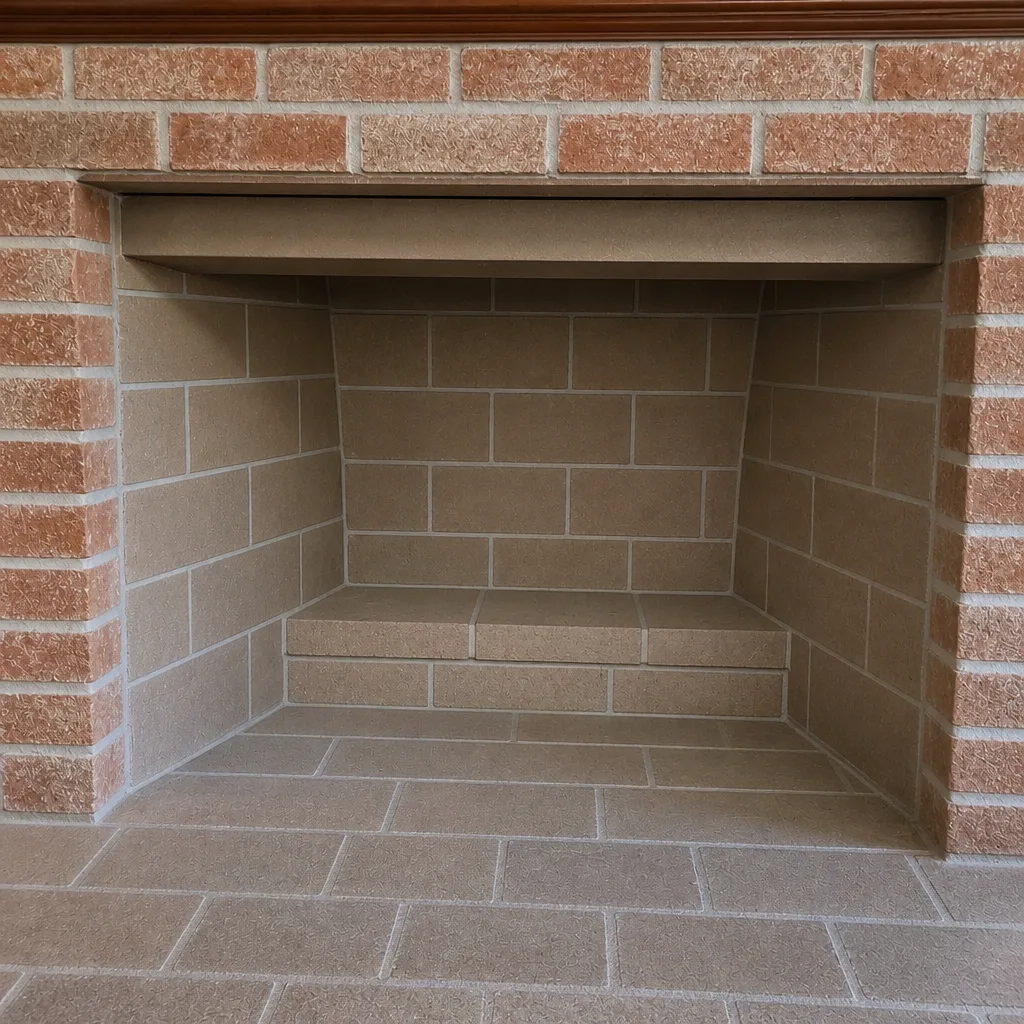
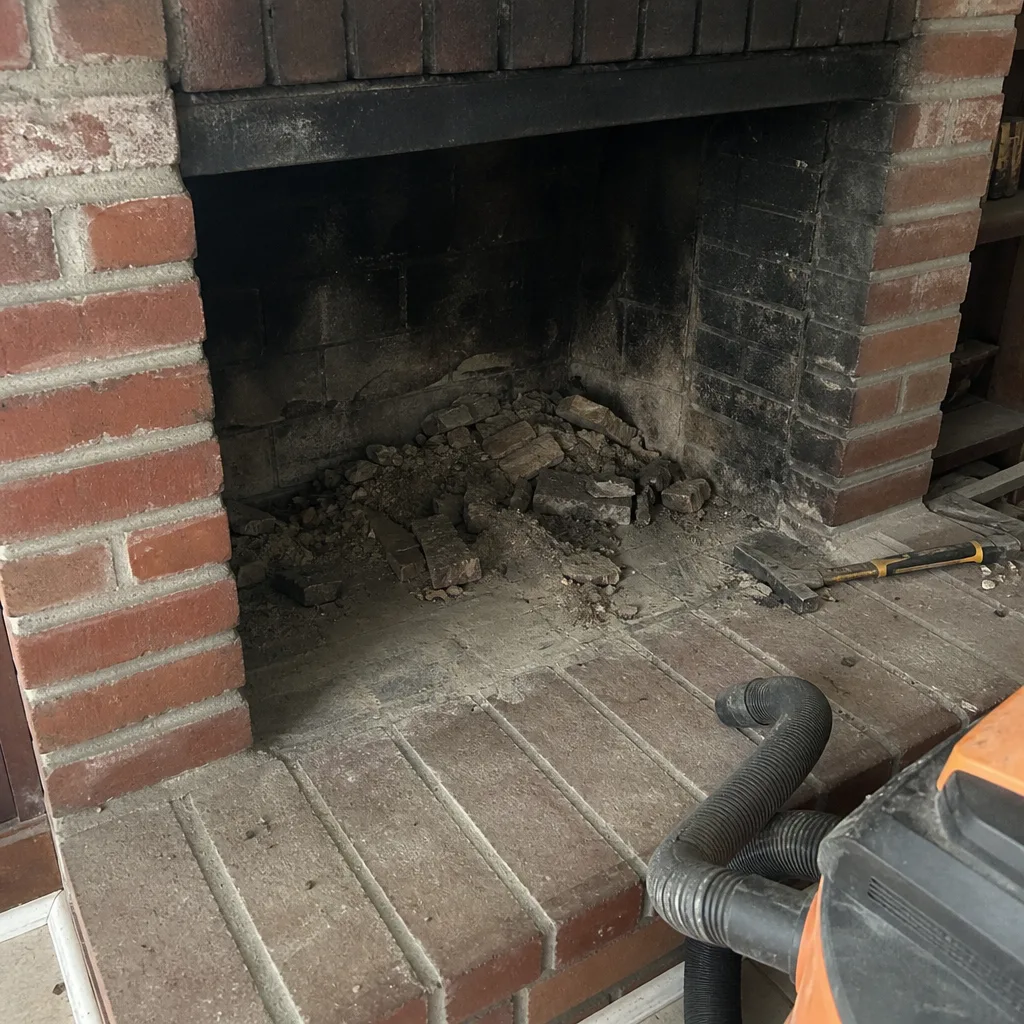
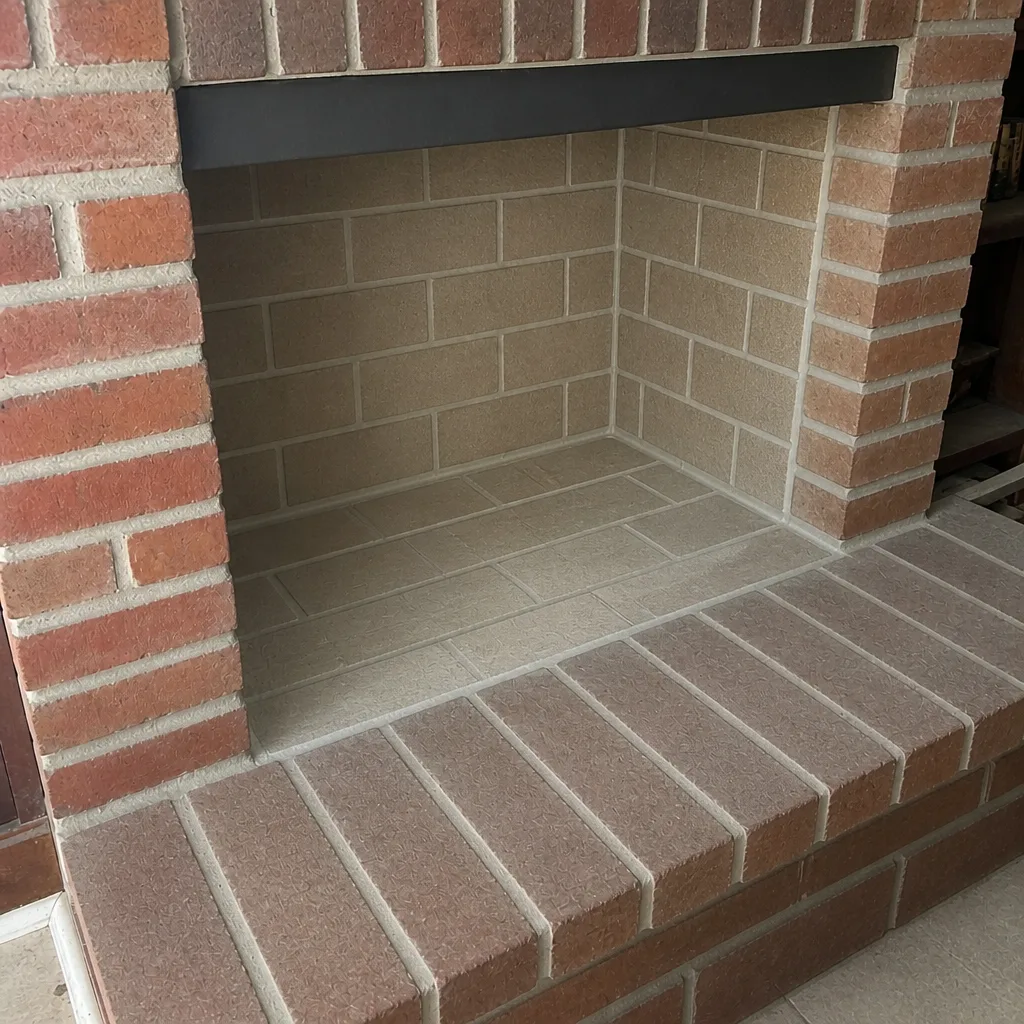
See the difference
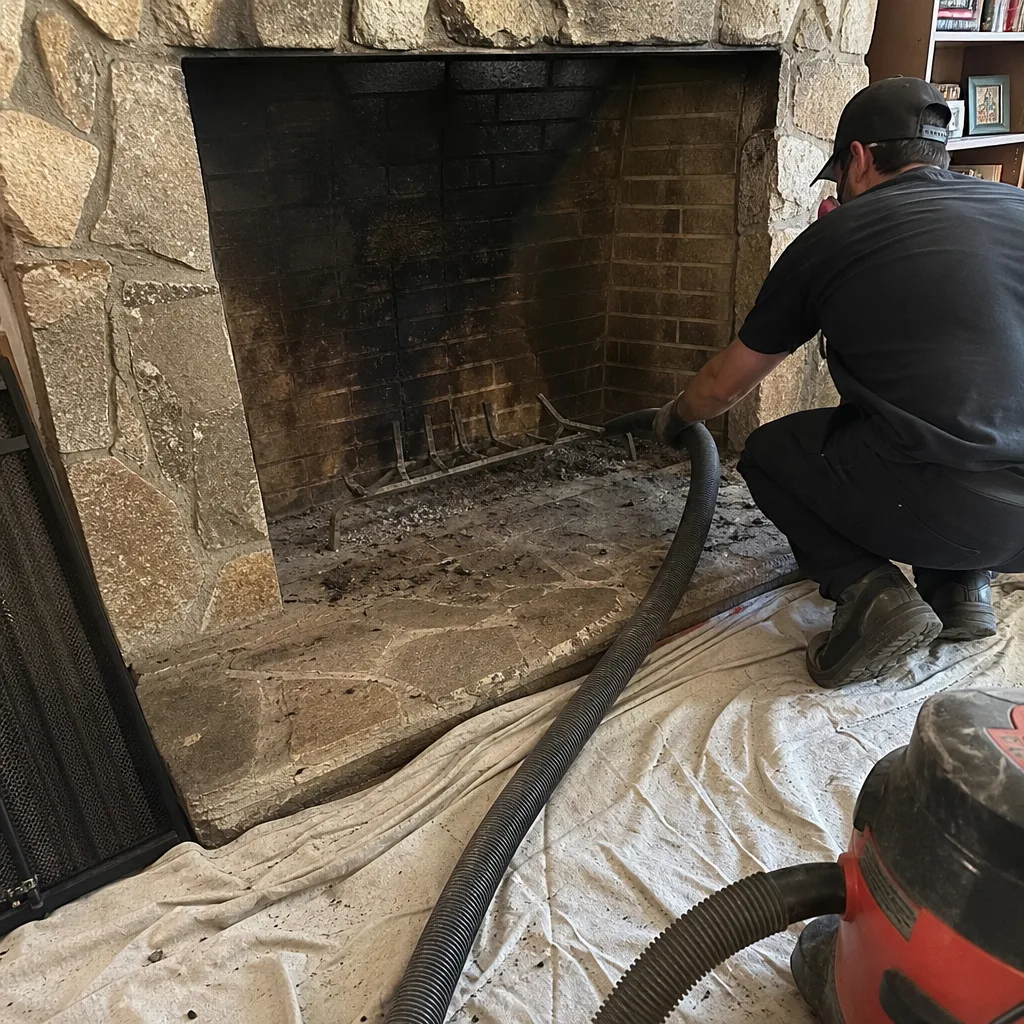 Before
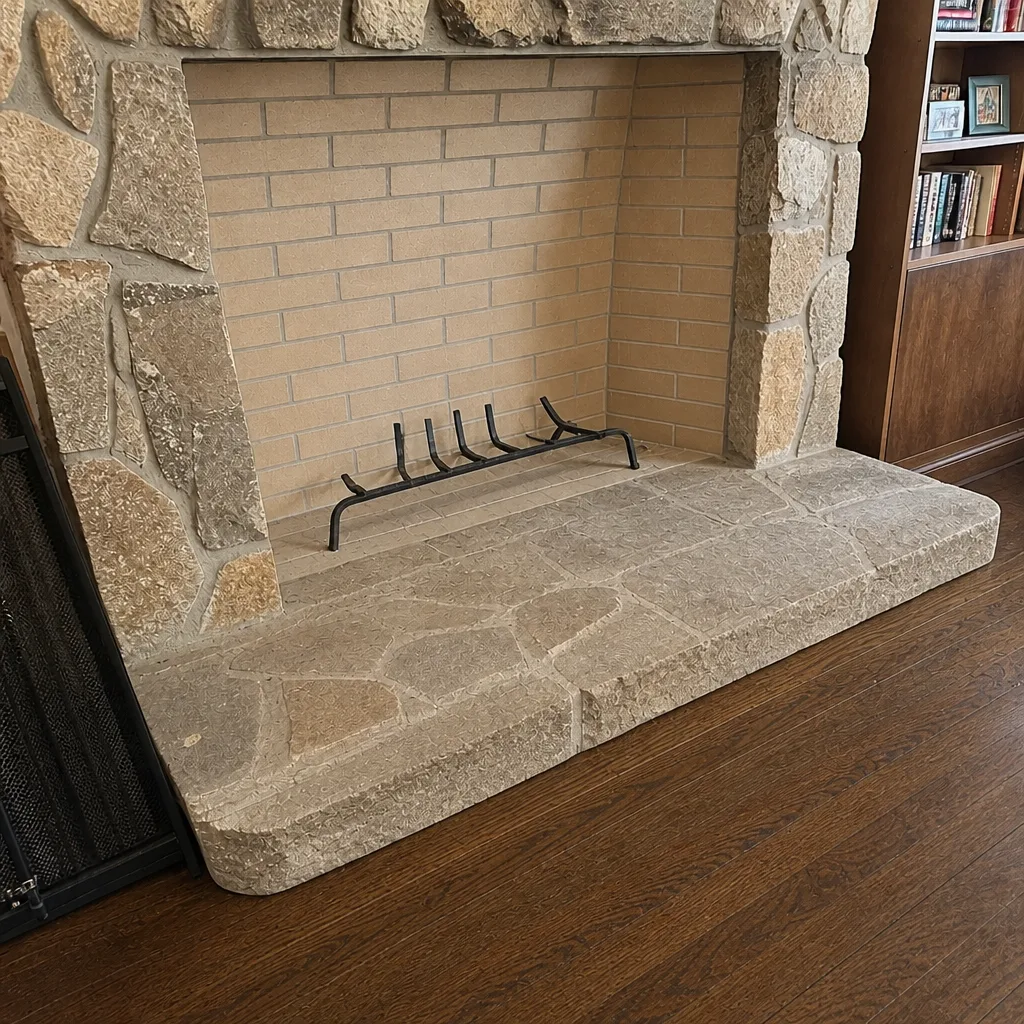 After
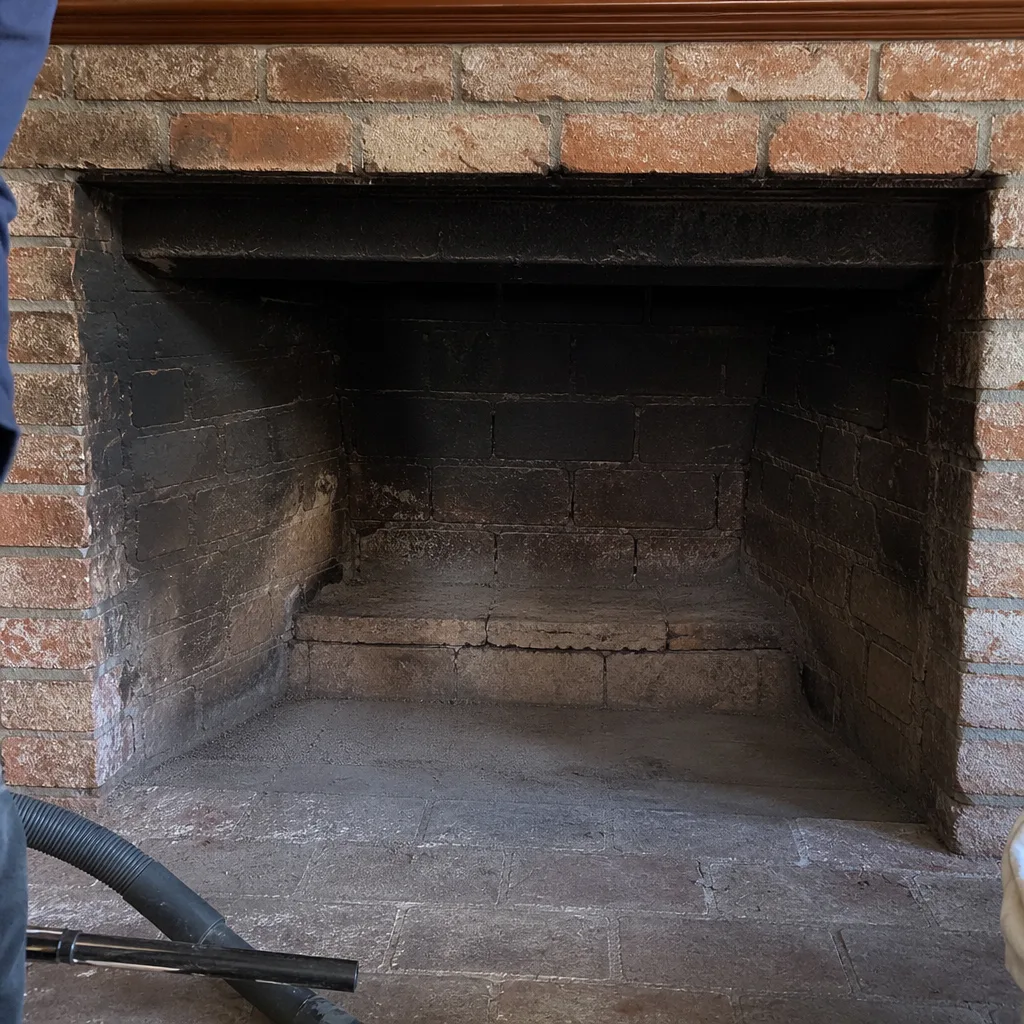 Before
 After
 Before
 After