
Last updated November 4, 2026
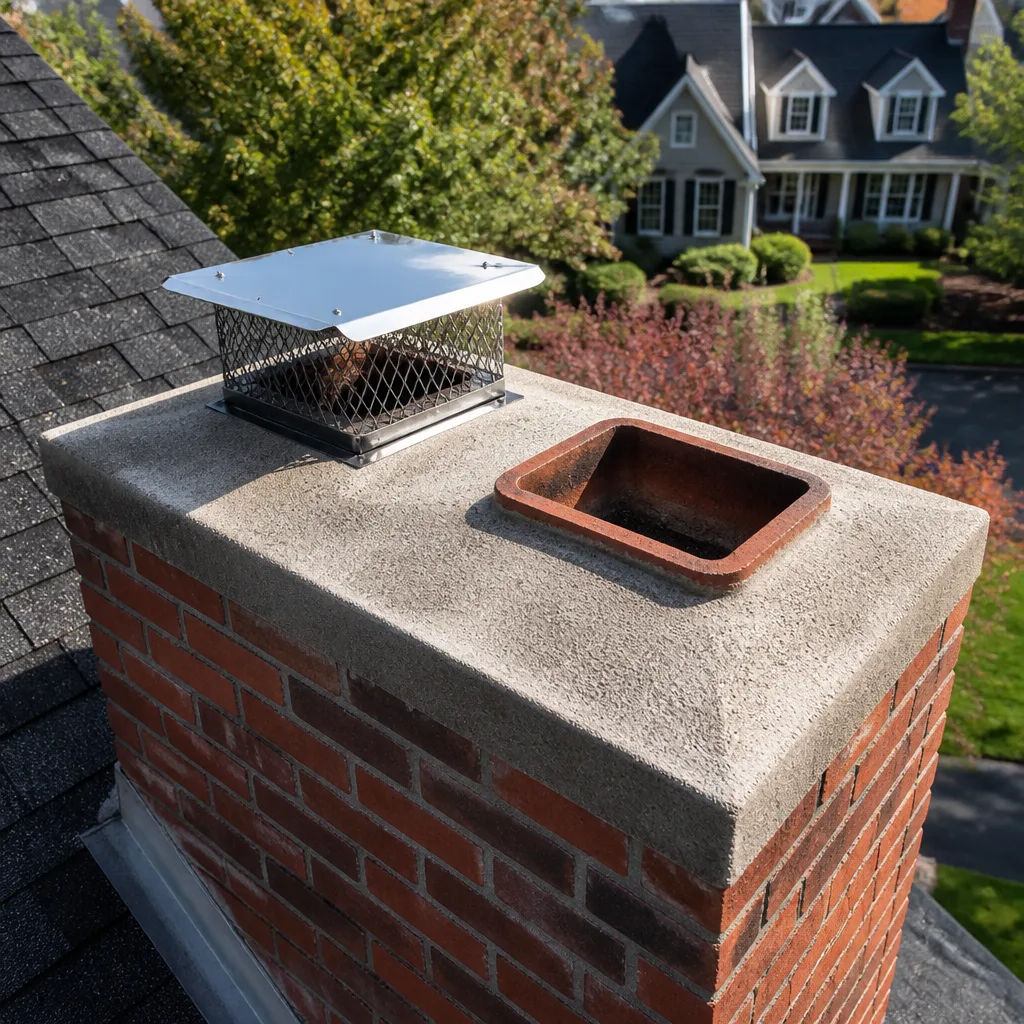 Sweep & inspection
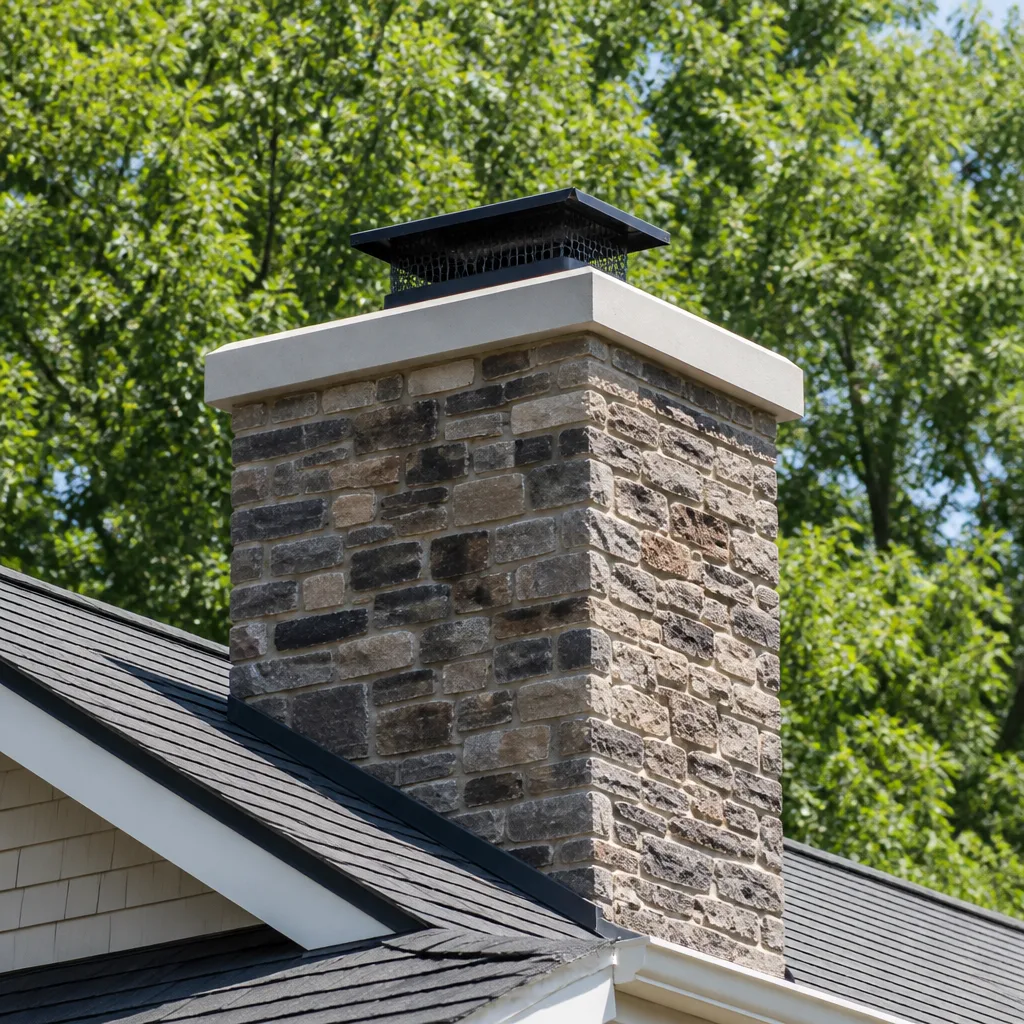 Caps & crowns
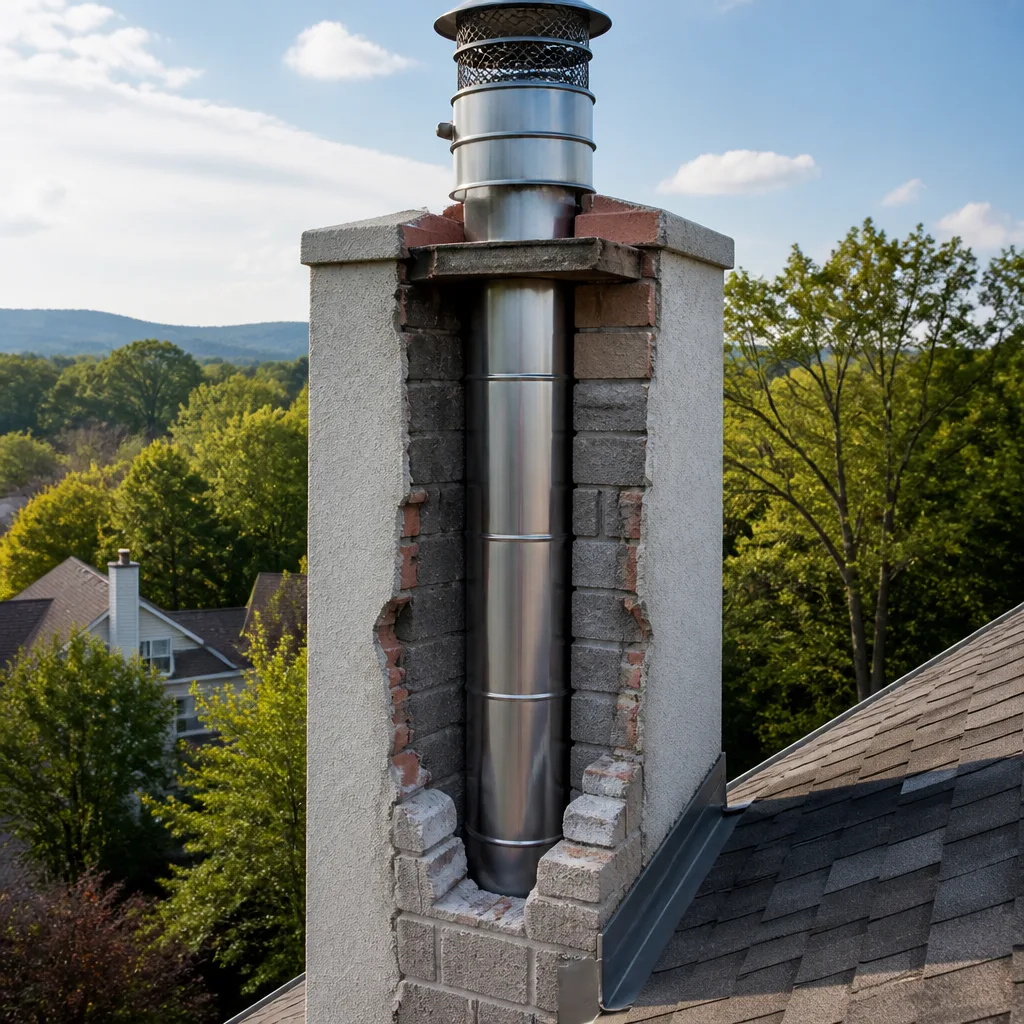 Flue relining
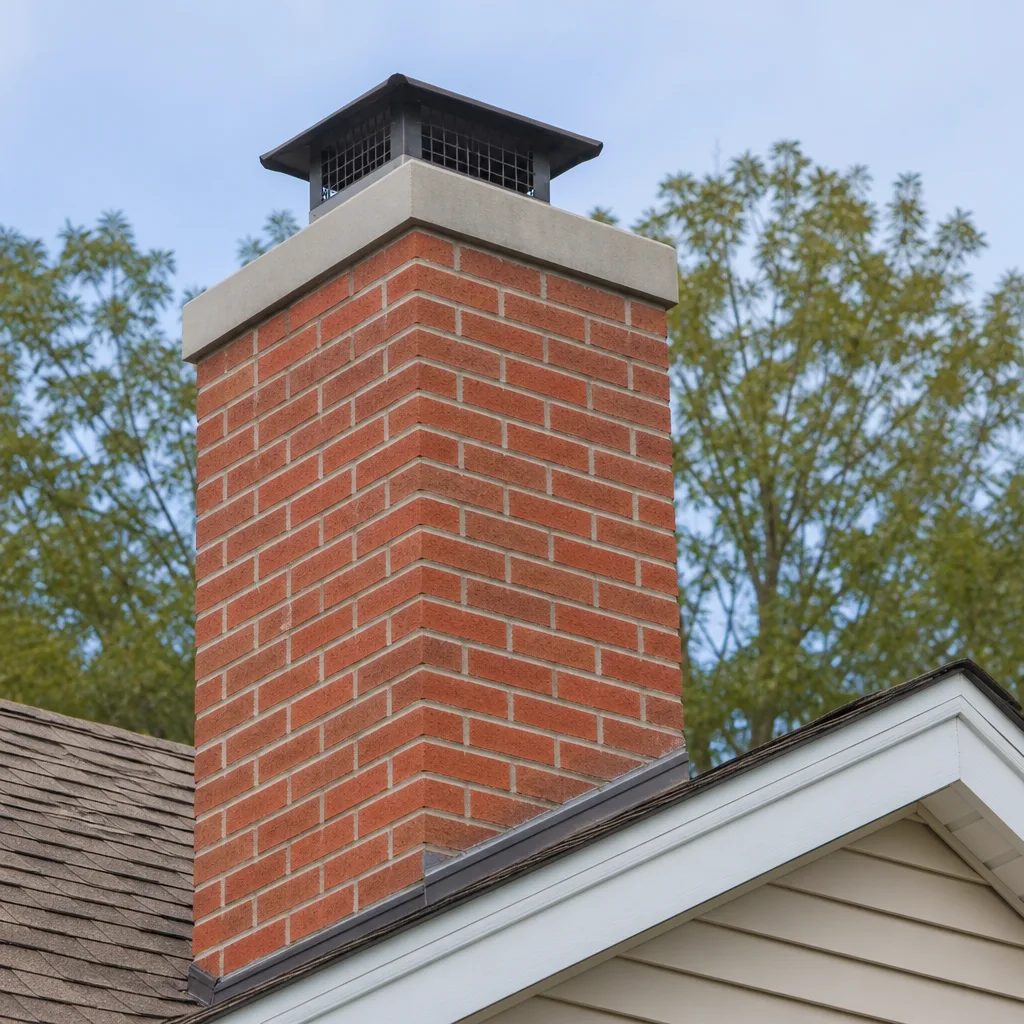 Masonry repair
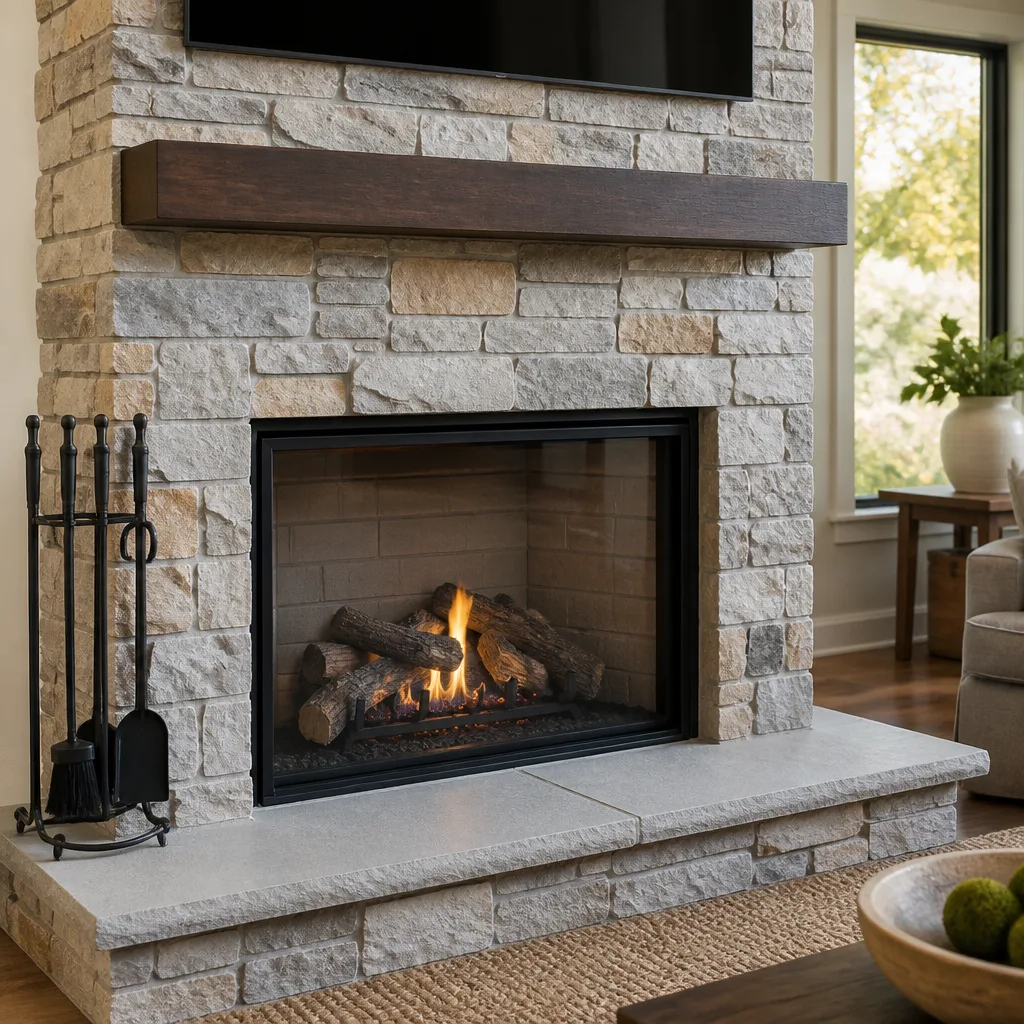 Gas fireplace service
Level 1 sweep and inspection to the NFPA 211 annual standard - flue, crown, cap, and flashing checked and photographed
Chimney sweep logs do not sweep chimneys. They loosen some creosote - which then falls where a brush and vacuum still have to collect it.
Chimney Sweep Troubleshooting in Whittier: Common Problems and How to Fix Them
If your fireplace smokes into the room only on windy days, that’s a different problem than if it smokes every single time – and treating them the same way is why most online “fixes” don’t work. Most chimney issues homeowners in Whittier blame on bad drafting or old brick are actually diagnosable by symptom: smoke rollout, odor type, and noise pattern each point to a specific, fixable cause. This guide maps those symptoms to root causes and tells you which fixes are DIY-safe versus which require a pro before you light another fire. By the end, you’ll know exactly what you’re dealing with and whether it’s a Saturday-afternoon project or a job for a chimney sweep with professional-grade materials.
Styles & brands we work with
- Sweep & inspection
- Caps & crowns
- Flue relining
- Masonry repair
- Gas fireplace service
Quick Answer
Chimney problems in Whittier homes fall into four symptom categories: smoke rollout into the room, persistent odors, downdrafts on windy days, and unusual sounds from the flue. Each has a distinct root cause – negative pressure, creosote buildup, flue sizing, or animal intrusion – and a specific fix. Some are safe to handle yourself, like damper adjustment or clearing the smoke shelf, while others, like flue resurfacing with HeatShield or a full reline using DuraFlex, need a trained technician with professional equipment.
Table of Contents
- Smoke Rollout: The Most Common Whittier Complaint
- Odor Diagnosis: Creosote vs. Animal Intrusion
- Downdrafts and Windy Days: Why Whittier’s Climate Makes This Worse
- Unusual Sounds: What Your Chimney Is Telling You
- Negative Pressure and Warm-Climate Inversion: The Problem Cold-Climate Guides Miss
- Flue Liner Issues: When a Sweep Isn’t Enough
- DIY-Safe Fixes vs. What Needs a Level 2 Inspection
- Common Mistakes to Avoid
- When to Call a Professional
- Frequently Asked Questions
- The Bottom Line
Smoke Rollout: The Most Common Whittier Complaint
Smoke rollout means smoke enters your living room instead of going up the flue. In Whittier, where many homes have older masonry fireplaces, this is the issue we hear about most. The first step is identifying when it happens: only when you first light the fire, every single time, or only on certain days. Each pattern points to a different cause.
Rollout Only When First Lighting
Cold air sits in the flue and blocks the warm air from rising. This is a pressure imbalance, not a structural problem. The fix is simple: prime the flue before lighting. Hold a lit rolled-up newspaper or a lit piece of kindling up near the open damper for 30 to 60 seconds. This warms the air column and establishes an upward draft. Most homeowners can do this safely with zero tools.
Rollout Every Time, Regardless of Weather
If smoke comes back into the room every time you light a fire, even after priming, you’re likely dealing with one of three issues: a partially closed or warped damper, a smoke shelf packed with debris, or a flue that’s too large for the fireplace opening. A damper is a metal plate above the firebox; if it doesn’t open fully, smoke has nowhere to go. The smoke shelf is a ledge just above the damper designed to catch falling debris – but when it fills up, it can deflect smoke back into the room. A flue that’s oversized for the firebox opening means the smoke cools too quickly and loses its upward momentum, a common issue in older Whittier homes with original masonry work.
Rollout Only on Windy Days
This points to a pressure issue at the chimney top, not inside the house. Wind blowing across the chimney opening creates a downdraft that pushes smoke back down. A properly sized cap with a wind band can solve this. But be careful: if the real issue is a flue sizing problem, adding a cap will mask the symptom without fixing the root cause. A cap changes pressure at the top; it doesn’t change the flue’s internal dimensions.
Odor Diagnosis: Creosote vs. Animal Intrusion
Odors from your fireplace are diagnostic if you know what to smell for. Two main types occur in Whittier homes, and they mean completely different things. Learning to distinguish them saves you money and tells you whether you need a sweep or a removal.
Creosote Odor: Campfire or Asphalt Smell
Creosote is a byproduct of wood combustion. It builds up on the flue walls as a black, tar-like substance. Its smell is unmistakable: like a campfire that’s been rained on, or hot asphalt. In Whittier, where many homeowners burn wood during the cooler months, creosote accumulation is the most common odor source. The smell gets stronger on humid days or right after a rain because moisture activates the creosote’s volatile compounds. A professional Chimney Sweep Whittier cleaning removes this buildup. Skipping it means the creosote keeps layering, and eventually the flue diameter shrinks enough to affect drafting and increase fire risk.
Animal Intrusion Odor: Ammonia or Decay
If the smell is sharp, like ammonia or rotting material, you have an animal problem, not a creosote problem. Birds, squirrels, and raccoons sometimes nest in chimneys in this part of Los Angeles County. The odor comes from droppings, nesting material, or a dead animal. You might also hear scratching or flapping sounds. This is not something to handle by burning the material out – that’s a fire hazard. It requires removal of the animal if it’s still present, removal of the nesting material, and then installation of a properly sized cap to prevent re-entry. At Whittier homes we use Gelco caps because they’re purpose-built with the right dimensions and materials, not improvised hardware-store mesh.
Downdrafts and Windy Days: Why Whittier’s Climate Makes This Worse
Whittier sits in the San Gabriel Valley, where the wind patterns shift with the seasons. Santa Ana winds from the northeast and onshore flows from the southwest create pressure differentials around your chimney opening. When wind blows across the top of the flue rather than into it, it can create a vacuum effect that pulls smoke and gases back down into your home. This isn’t a sign of a broken chimney; it’s a pressure problem at the crown level.
Caps and Wind Bands: The Right Fix for the Right Problem
A wind-directional cap or a cap with a wind band redirects airflow so it doesn’t create that vacuum. But here’s the common mistake: installing a cap when the real issue is a flue that’s too large for the firebox. An oversized flue causes smoke to cool too quickly, losing lift. Adding a cap doesn’t change the flue’s cross-section. If you’ve had a cap installed and the downdraft persists, have a technician measure the flue-to-firebox ratio. The correct ratio for a standard masonry fireplace is roughly 1:10 – one square inch of flue area for every ten square inches of firebox opening. When the flue is oversized, the fix is a liner or a flue resizing, not another cap.
Unusual Sounds: What Your Chimney Is Telling You
Sound is an underused diagnostic tool. Your chimney shouldn’t make noise when the fireplace isn’t in use. When it does, the type of sound tells you what’s wrong.
Scratching or Flapping
Scratching usually means an animal is inside. Flapping is almost always a bird. Both mean you have an uncapped or improperly capped flue. The fix is removal followed by cap installation. In our experience serving Whittier homes, this is more common in spring and early summer when birds are nesting.
Whistling or Howling
A whistling sound when the wind blows means air is moving through a gap somewhere: around the damper, through a crack in the flue, or around the chimney cap. This is a pressure leak. It can also happen when the flue is clean but the damper doesn’t seat fully when closed. In some cases, the fix is a damper adjustment or replacement. In others, the flue needs sealing.
Popping or Crackling During a Fire
Popping sounds during a fire usually mean moisture in the wood or creosote igniting in small pockets. Crackling is normal wood combustion. If the popping is loud and frequent, the wood hasn’t been seasoned properly – it still has too much internal moisture. Seasoned wood in Whittier’s dry climate should sit for at least six months. Burning unseasoned wood produces more creosote and increases the chance of a chimney fire.
Rumbling or Sputtering
A rumbling sound during a fire is serious. It can indicate a chimney fire in progress – creosote burning inside the flue. If you hear this, evacuate the house and call 911 first, then call a professional once the fire department has cleared you. A rumbling sound is not something to wait out or diagnose from inside the house.
Negative Pressure and Warm-Climate Inversion: The Problem Cold-Climate Guides Miss
Most chimney troubleshooting guides online are written for cold-climate homes where the air outside is dramatically colder than the air inside. That temperature difference creates a strong natural draft. In Whittier, where winter temperatures are mild, that draft is weaker. A warmer-than-normal morning in December or January means the temperature difference between inside and outside is small, and the draft becomes marginal. Add an exhaust fan in the kitchen, a bathroom fan, or a clothes dryer running, and the house develops negative pressure: the chimney becomes the air intake for the whole house, pulling smoke back down.
What Negative Pressure Feels Like
You light a fire. It starts fine. Then someone turns on the kitchen vent or starts the dryer, and smoke rolls into the room. This is classic negative pressure from competing air demands. The fix is to open a window slightly near the fireplace before lighting. That equalizes indoor and outdoor pressure. If the problem is chronic, a licensed contractor can install a make-up air system, but for most Whittier homes, the open-window fix is enough to restore the draft.
The Role of Dryer Vents in Negative Pressure
A clothes dryer pulls hundreds of cubic feet of air per minute out of your house. If the dryer vent is clogged or improperly terminated, the dryer works harder, but it still pulls air from somewhere. That “somewhere” is often the chimney. This is why we include dryer vent cleaning as part of the broader fire-safety picture: a clogged dryer vent and a marginal chimney draft compound each other. One call covers both, and both directly reduce the chance of a house fire.
Flue Liner Issues: When a Sweep Isn’t Enough
A sweep removes creosote. It doesn’t repair the flue. If the flue liner is cracked, spalling, or missing sections, sweeping it actually makes the problem more obvious because you can see the damage. That’s when the conversation shifts from maintenance to repair, and the materials matter.
HeatShield for Deteriorating Flues
HeatShield is a cementitious resurfacing material applied to the interior of a damaged flue. It requires proper training and equipment. We use it for flue repair in Whittier homes where the original clay tile liner has cracked but the chimney structure itself is still sound. The product seals the flue and restores its ability to contain heat and gases. It’s not available through general contractors. When you’re comparing quotes, ask which resurfacing product a company uses. If they can’t name it, walk away.
DuraFlex for Full Relining
When a flue is beyond resurfacing – multiple cracks, missing sections, or the wrong size for the appliance – the fix is a full reline. We use DuraFlex flexible liner systems because they’re the same professional-grade material used by chimney contractors across the country. A liner is not a generic stainless tube; it’s sized to the appliance and the flue, and it’s installed with proper termination hardware and insulation where the code requires it. In Whittier, where many homes have original masonry chimneys from the mid-century, relining is a common repair as those original clay liners age.
DIY-Safe Fixes vs. What Needs a Level 2 Inspection
Some chimney troubleshooting is safe to do yourself. Some is not. The line is clear: anything that involves opening the damper, priming the flue, or cleaning the smoke shelf from below is DIY-territory. Anything that involves the flue interior above the firebox, the crown, the cap, or the liner requires a professional inspection first – because you can’t see the damage, and guessing wrong has consequences.
Safe to Try Yourself
- Priming the flue before lighting. Hold lit kindling or newspaper near the open damper for 30-60 seconds to warm the air column.
- Opening a window slightly during the fire. This equalizes negative pressure from exhaust fans and the dryer.
- Clearing visible debris from the smoke shelf. With the damper closed, wear a dust mask and gloves, and use a shop vacuum. Do not go above the damper.
- Checking the damper operation. Open and close it a few times. If it’s stiff, sticky, or doesn’t seat fully, note it for the technician.
- Checking for visible cap damage from the ground. Use binoculars. Look for missing mesh, a crooked cap, or visible rust.
What Needs a Level 2 Inspection First
- Flue liner cracks or spalling. You can’t see these without a camera. A Level 2 inspection uses a video scan to document the interior.
- Persistent smoke rollout after priming and window-opening fixes. This suggests a structural or sizing problem, not a pressure problem.
- Any rumbling or sputtering sounds during a fire. This is a potential chimney fire. Leave the house and call 911.
- Odors that persist after a cleaning. If the smell returns within weeks of a sweep, the flue needs a camera inspection.
- Animal intrusion requiring removal. This requires safe handling and a proper cap installation afterward.
Common Mistakes to Avoid
- Installing a cap to fix a flue sizing problem. A cap changes pressure at the top, not the internal dimensions. If the flue is oversized for the firebox, the downdraft will persist. Measure the ratio first.
- Treating every odor as creosote. Creosote smells like asphalt or old campfire. Ammonia or decay means animal intrusion. Sweeping won’t fix an animal problem.
- Burning unseasoned wood to save money. Wet wood produces more creosote and a weaker draft. The savings evaporate in cleaning costs and increased fire risk.
- Running exhaust fans while the fireplace is active. Kitchen vents, bathroom fans, and dryers all pull air out of the house. The chimney becomes the make-up air intake, and smoke comes with it.
- Skipping the smoke shelf during a DIY clean. The smoke shelf catches debris that can deflect smoke back into the room. It’s a common overlooked spot.
- Assuming a sweep fixes structural damage. A sweep removes creosote. It doesn’t repair cracks, spalling, or missing liner sections. Ask whether the flue needs a camera inspection, not just a brush.
- Using a hardware-store cap on a masonry chimney. Generic caps often don’t fit properly, which means gaps remain. Gaps mean animals can still get in and wind can still create downdrafts. Use purpose-built hardware like Gelco caps.
When to Call a Professional
Call a professional if you’ve tried priming the flue and opening a window, and smoke still rolls into the room. Call if you smell ammonia or decay, which signals an animal problem. Call if you hear rumbling sounds during a fire, which signals a possible chimney fire – evacuate first, then call 911, then call us. Call if a sweep was done within the last year but the odor or smoke came back, which suggests a liner issue that a brush can’t fix. And call if you’re buying a home or have owned yours for years without a camera inspection – a Level 2 video scan documents the flue’s actual condition. We can show you the footage, and nothing gets recommended without camera evidence you can see for yourself. Chimney Sweep Whittier offers free estimates in Whittier – call (866) 361-2279.
Frequently Asked Questions
A chimney sweep in Whittier typically costs $180 to $340, depending on the level of buildup and the chimney’s height. The written estimate sets the final price. Call (866) 361-2279 for a free estimate specific to your fireplace.
The National Fire Protection Association recommends an annual inspection and cleaning as needed. In Whittier, where wood-burning fireplaces are common in older homes, annual sweeping is the safe default for regular wood burners. If you burn only occasionally, every other year may be sufficient – but a camera inspection should happen annually regardless.
Creosote keeps layering on the flue walls, reducing the draft and increasing the chance of a chimney fire. A chimney fire burns at extremely high temperatures and can crack the liner, which then allows heat and gases to reach the home’s framing. The repair costs are far higher than a sweep.
It depends on the damage. If the liner has minor cracking or spalling, HeatShield resurfacing may restore it. If the damage is extensive or the liner is the wrong size, a full reline with DuraFlex is the correct fix. We won’t recommend either without showing you the camera footage first.
You can prime the flue, clear the visible smoke shelf, and check the damper yourself. You cannot safely clean the flue interior from the firebox up without proper brushes, rods, and camera equipment. DIY cleaning also won’t diagnose liner damage. A professional sweep includes an inspection.
Heat and humidity activate creosote’s volatile compounds. In Whittier, where summer temperatures are consistently warm, the smell becomes more noticeable when the fireplace isn’t in use. Air conditioning also creates a slight downdraft that pulls flue odors into the house. A professional sweep removes the creosote that causes the smell.
The Bottom Line
Most chimney problems in Whittier have a specific, diagnosable cause. Smoke only on windy days points to a pressure problem at the crown. Smoke every time points to a damper, smoke shelf, or flue sizing issue. A campfire smell means creosote; an ammonia smell means animals. Scratching means an uncapped flue. Whistling means air leaks. Rumbling means a potential chimney fire. The fixes run from simply opening a window to a full reline, and the difference between a quick fix and a serious repair comes down to knowing what you’re actually dealing with. When the answer isn’t clear, have the flue camera-inspected before spending money on a fix that treats the wrong symptom. Call (866) 361-2279. We answer 24/7. Fast dispatch from 7am to 7pm, Sunday through Friday.
Written by the team at Chimney Sweep Whittier, serving Whittier since 2014.
See the difference
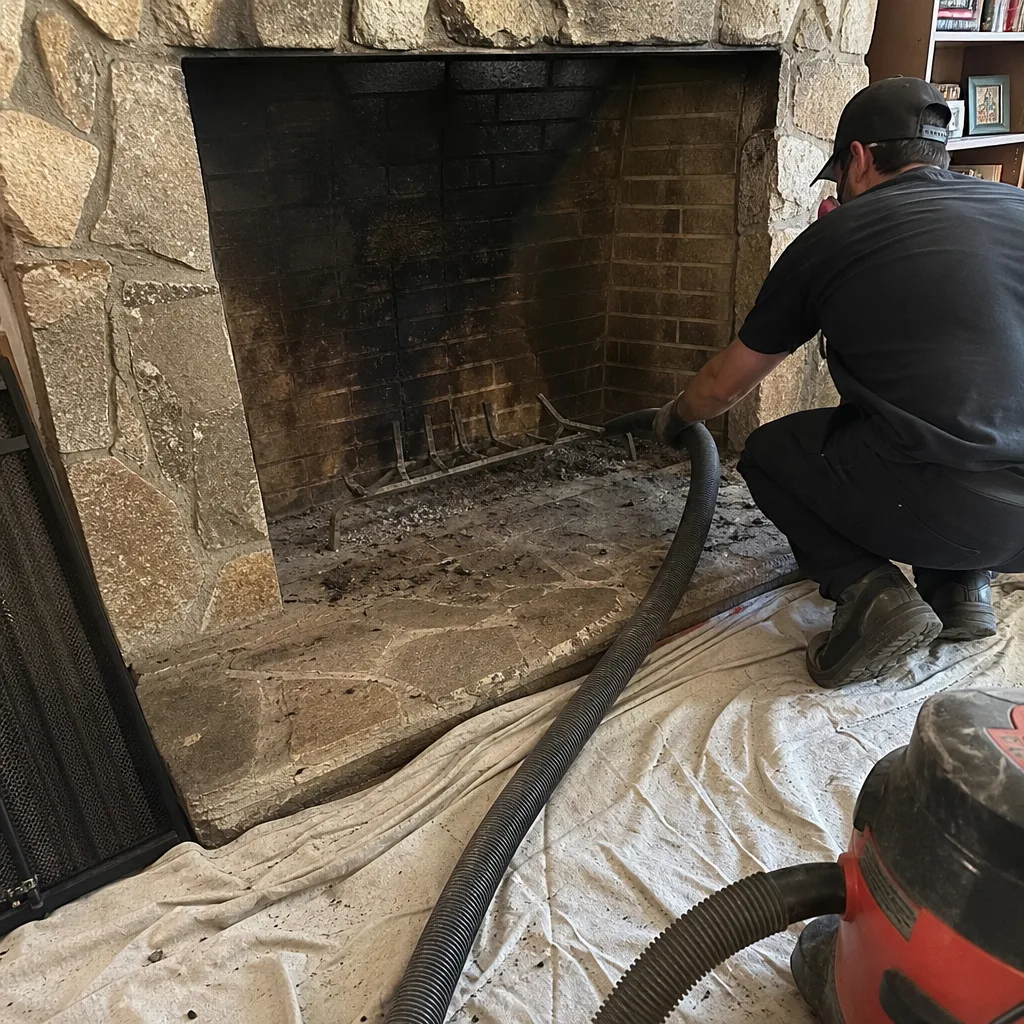 Before
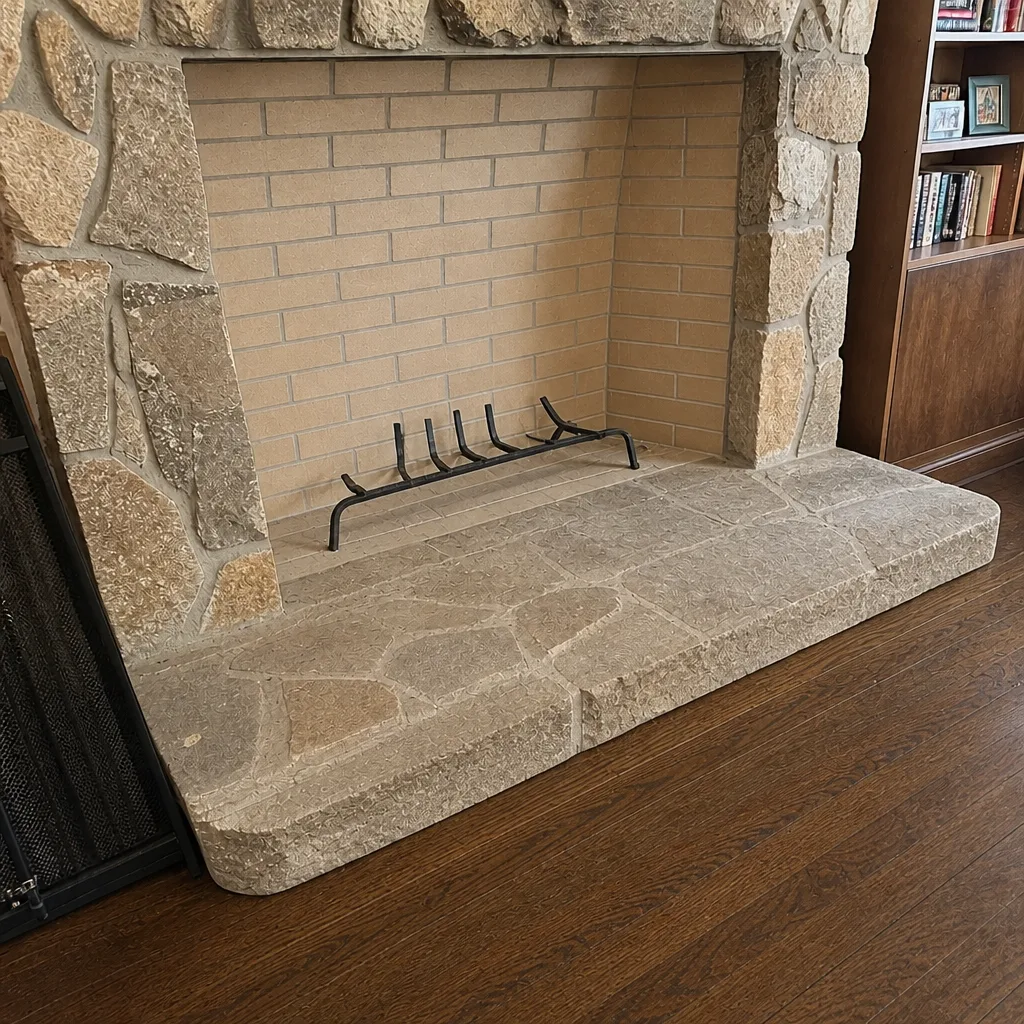 After
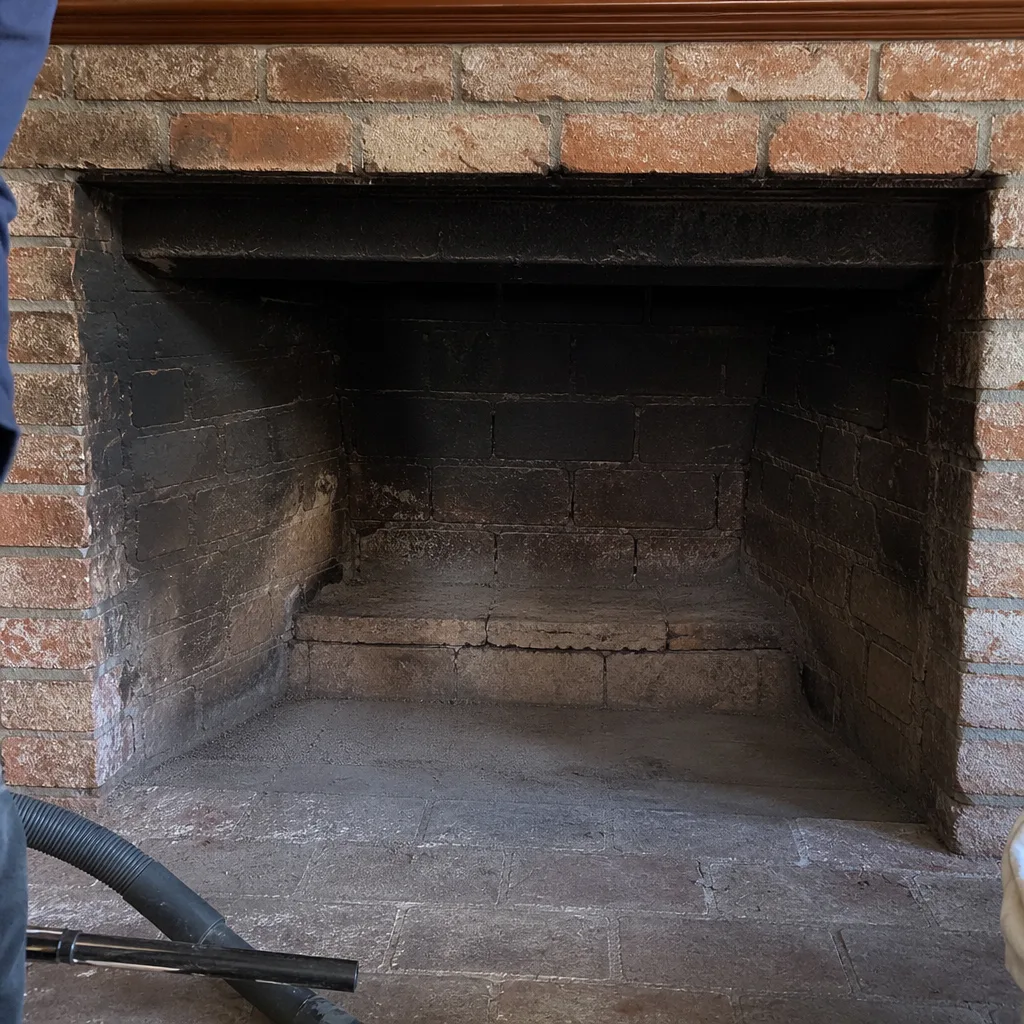 Before
 After
 Before
 After