
Last updated November 4, 2026
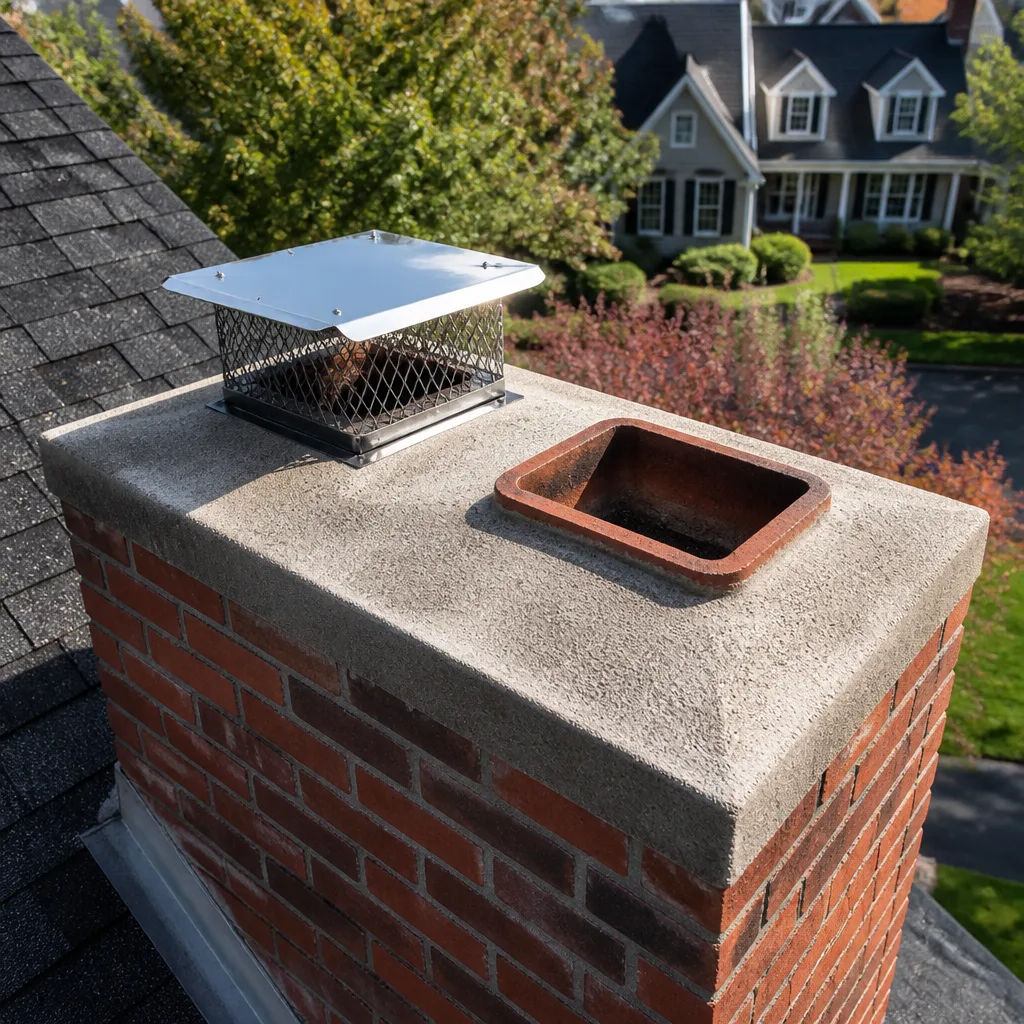 Sweep & inspection
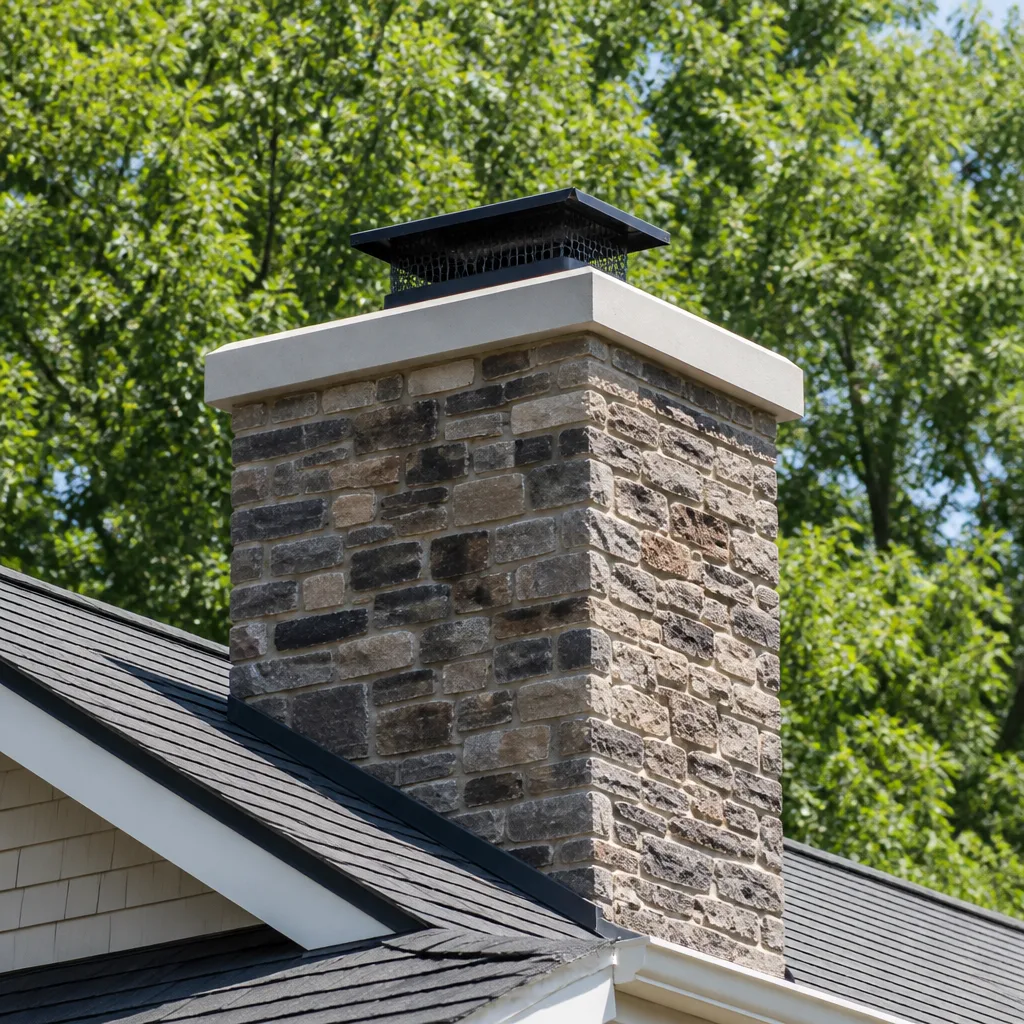 Caps & crowns
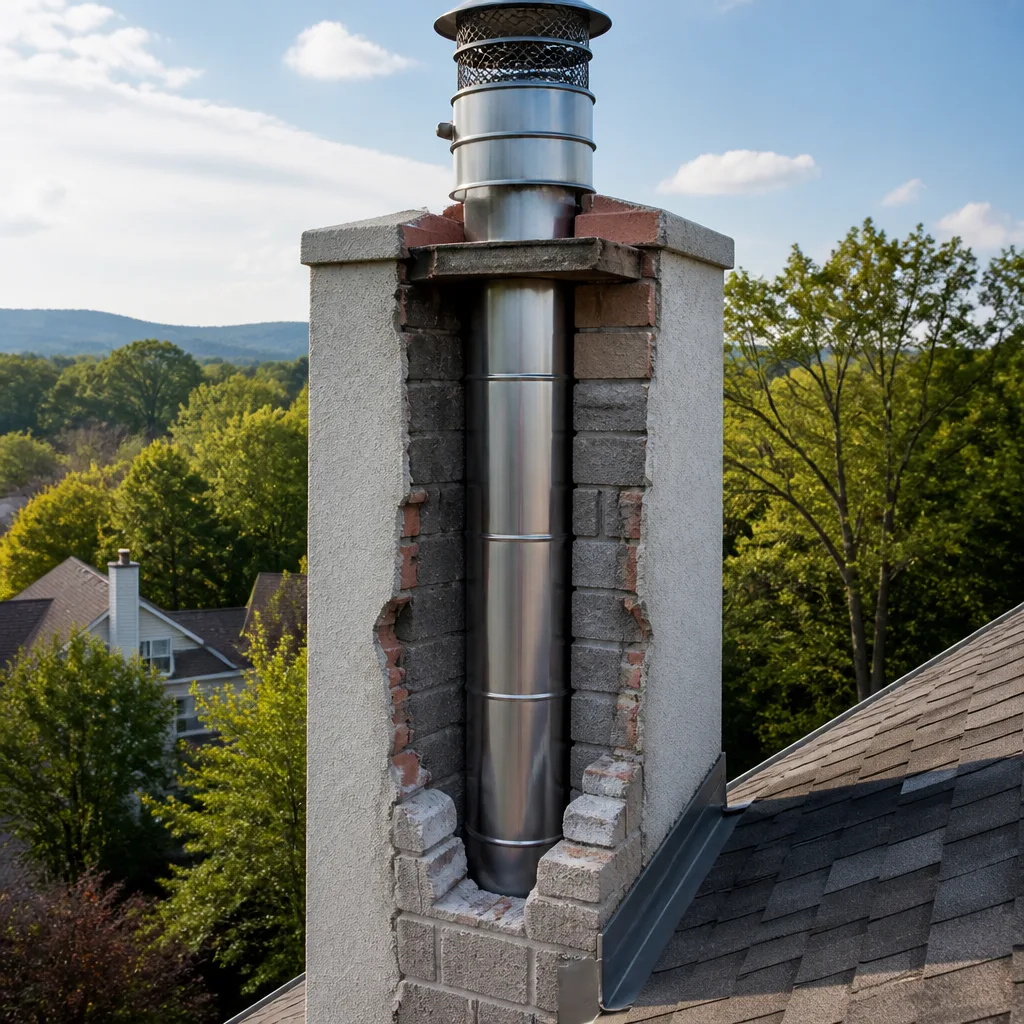 Flue relining
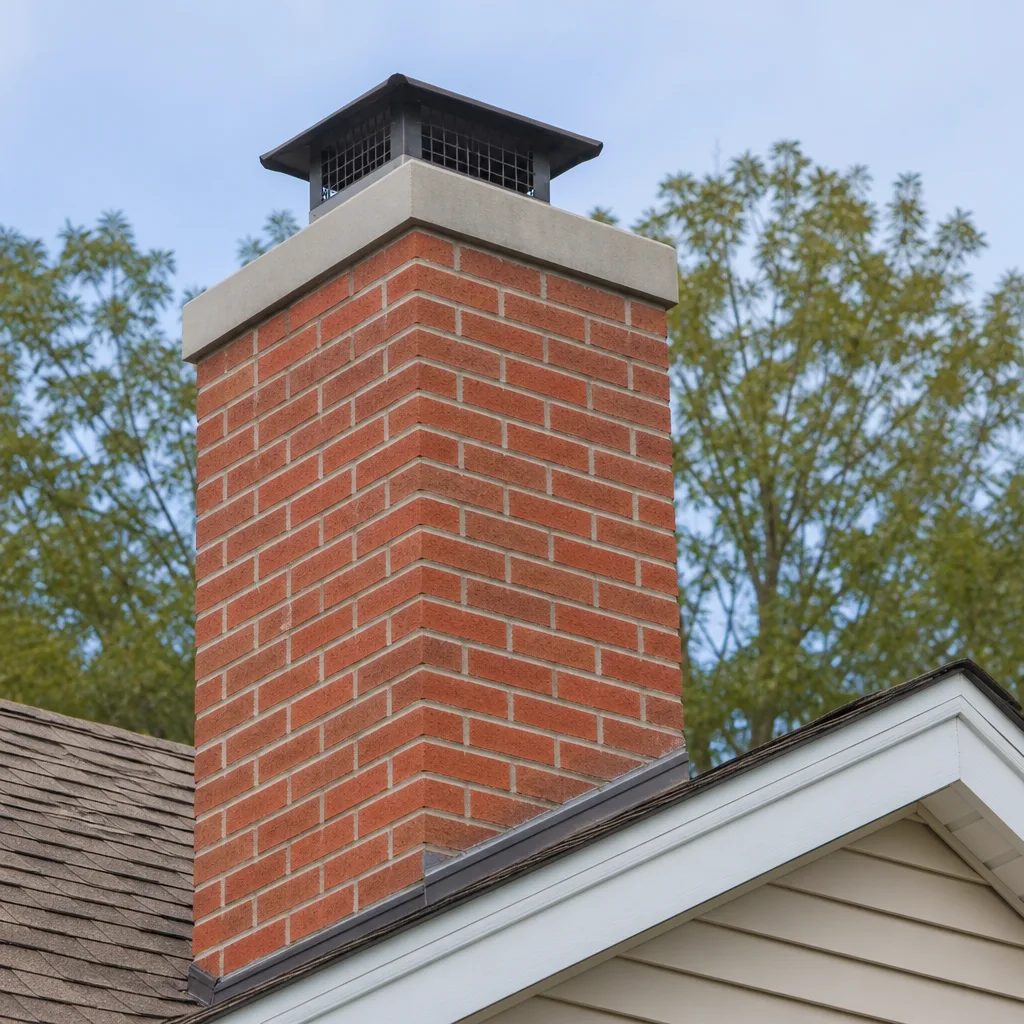 Masonry repair
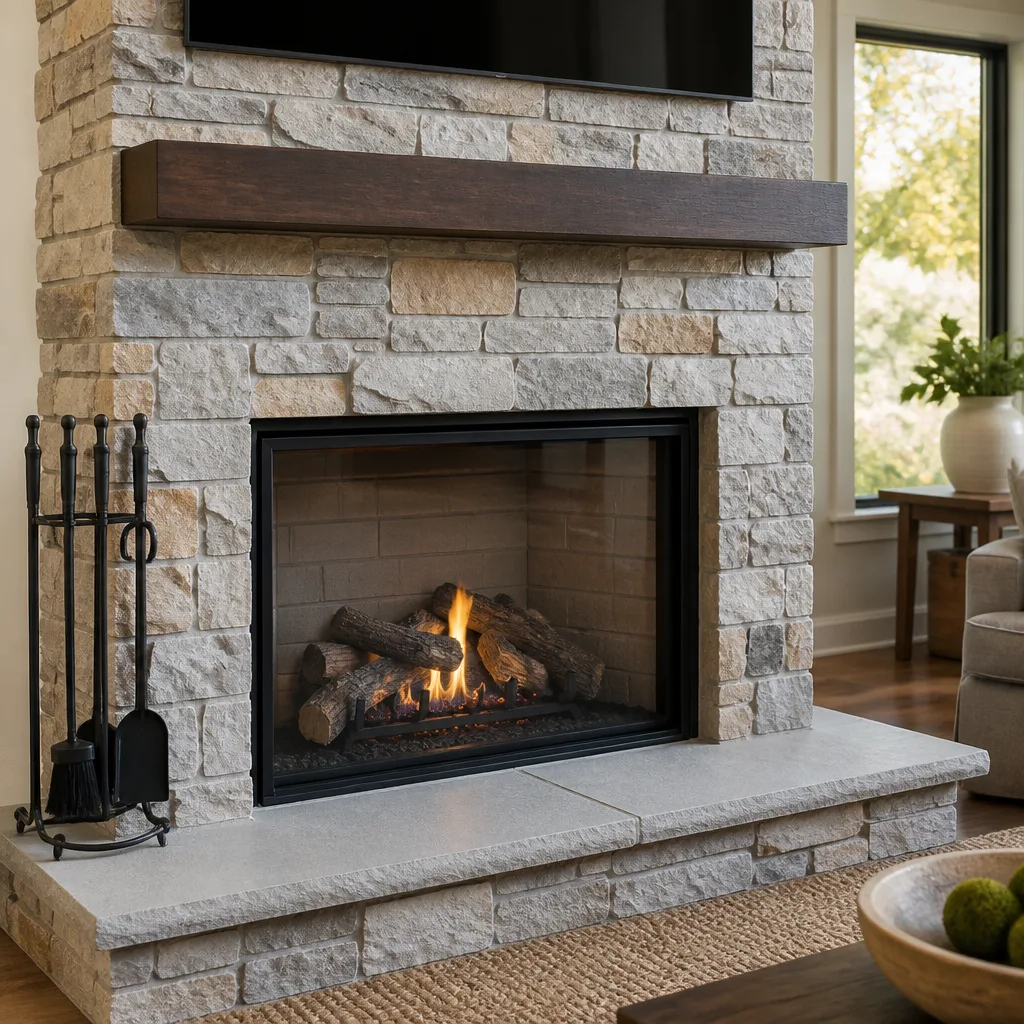 Gas fireplace service
Level 1 sweep and inspection to the NFPA 211 annual standard - flue, crown, cap, and flashing checked and photographed
Chimney sweep logs do not sweep chimneys. They loosen some creosote - which then falls where a brush and vacuum still have to collect it.
DIY vs Professional Chimney Cleaning: The Whittier Homeowner’s Decision Guide
Most homeowners assume a chimney cleaning is just running a brush up a flue until the loose soot falls into the firebox. That’s the version that gets sold at the hardware store, and for surface-level dust, it works. But in Whittier’s housing stock, where many chimneys date back to the mid-century and have been through decades of wood fires, the real question is what’s bonded to the flue walls above the damper and whether the smoke chamber is holding debris you can’t see from below. This guide maps exactly where a DIY approach stops being useful and where a trained eye and a camera change the decision entirely.
Quick Answer
DIY chimney cleaning can remove loose soot and light Stage 1 creosote from a straight, accessible flue, but it cannot break down glazed Stage 2 and Stage 3 creosote, cannot inspect the smoke chamber or flue tile for cracks, and leaves no documented service record. A professional chimney sweep in Whittier brings rotary tools, chemical treatments, camera inspection equipment, and the diagnostic training to spot the structural problems hiding behind the creosote. For most homeowners, the honest answer is this: do the firebox maintenance yourself between visits, but leave the flue itself to someone who can see it clearly.
Styles & brands we work with
- Sweep & inspection
- Caps & crowns
- Flue relining
- Masonry repair
- Gas fireplace service
Table of Contents
- What DIY Tools Can Actually Remove (And What They Can’t)
- The Three Stages of Creosote: Why It Changes the Decision
- The Inspection Steps a Brush Can’t Do
- Real Cost Comparison: DIY Supplies vs Professional Service in Whittier
- The Insurance and Paper Trail Difference
- What Whittier Homeowners Can Safely Do Between Sweeps
- Common Mistakes to Avoid
- When to Call a Professional
What DIY Tools Can Actually Remove (And What They Can’t)
Chimney cleaning rods and brushes are sold at hardware stores for under $60, and they will remove surface soot. The nylon or wire brush head threads onto a flexible rod, you feed it up from the firebox or down from the roof, and it scrapes the loose black powder off the flue walls. For a homeowner with a single-story home, a straight flue, and a chimney used only occasionally, that’s a legitimate maintenance task. The brush physically touches the flue liner and knocks down what isn’t bonded.
Here’s what a basic brush kit removes:
- Loose soot – the soft, powdery black residue that forms during every wood fire. This is the easy stuff.
- Light Stage 1 creosote – the flaky, dusty form that brushes off with moderate friction. If you can scrape it with a fingernail and it turns to dust, a brush handles it.
- Small debris – bits of bark, ash clumps, or a bird nest near the top of the flue that’s within reach of the tool.
What the brush does not remove:
- Stage 2 creosote – this has the texture of hardened tar or chunky flakes that resist brushing. It’s sticky, dense, and often black with a slight sheen. A nylon brush skates across it.
- Stage 3 glazed creosote – a baked-on, glass-like layer that forms after repeated hot fires with poor airflow. This is a genuine fire hazard and cannot be brushed off by hand. It requires rotary tools with steel cables or chemical treatment to break it down.
- Creosote in the smoke chamber – the area above the damper and below the flue proper. A straight brush often can’t reach the angled surfaces of the smoke chamber, where creosote accumulates heavily in masonry fireplaces.
We’ve seen flues where the top ten feet looked fine and the bottom section, just above the damper, was caked with Stage 2 buildup the homeowner couldn’t see. That’s the diagnostic gap no brush kit closes.
The Three Stages of Creosote: Why It Changes the Decision
Wood smoke carries unburned compounds that cool as they rise and condense onto the flue walls. That residue is creosote, and it forms in three distinct stages that react very differently to cleaning. Understanding which stage you’re dealing with is the single most important factor in deciding whether DIY is appropriate.
Stage 1: Flaky and dusty. This is the early stage, a brownish-black powder or thin flake. It forms during well-ventilated fires with dry wood. It’s loose, it brushes off easily, and it’s what most DIY chimney cleaning kits are designed to handle. If your chimney has only Stage 1 buildup, a homeowner can reasonably clean it with the right brush and proper technique.
Stage 2: Crunchy and compacted. Stage 2 creosote appears as shiny black flakes or hardened tar-like clumps. It forms when flue temperatures are lower or airflow is restricted. This stage will not come off with a basic brush. You might dislodge the loose top layer and think you’ve cleaned the chimney, but the bonded layer underneath remains. In Whittier’s mild winters, many wood-burning fireplaces are used for ambiance rather than primary heat, which means fires often burn cooler and produce more Stage 2 buildup than you’d expect.
Stage 3: Glazed and dense. This is the serious one. Stage 3 creosote is a hard, shiny, glass-like coating that adhered to the flue walls under high heat and restricted oxygen. It’s extremely difficult to remove without rotary equipment, special chemical agents, or both. It’s also the most dangerous form because it concentrates fuel in a thin, hot layer. A brush will not touch it. Homeowners who attempt DIY cleaning on Stage 3 creosote often assume the chimney is clean because the brush hits a hard surface and stops. What they’re hitting is the glaze itself.
The honest breakdown: Stage 1 can be managed with DIY effort. Stage 2 should signal a call to a professional. Stage 3 is a structural fire-safety issue that needs professional equipment and, in many cases, specific chemical treatments to resolve.
The Inspection Steps a Brush Can’t Do
Cleaning is only the visible half of chimney maintenance. The other half is inspection, and it requires tools and training that no hardware store kit provides. Every professional sweep in Whittier combines cleaning with a structural assessment because the inside of a flue is where the most expensive problems hide.
Here are the specific inspection steps a trained professional performs that DIY cleaning cannot substitute:
- Smoke chamber evaluation. In a masonry fireplace, the smoke chamber is the shelf-like area above the damper where smoke collects before entering the flue. It’s angled, often corbelled, and difficult to see from inside the firebox. A professional uses a mirror and light or a camera to check for creosote accumulation and missing mortar joints. A brush from below cannot reach or assess this area.
- Flue tile crack detection. Clay flue liners crack from thermal stress over decades of use. A hairline crack may be invisible to the naked eye from the roofline but can allow heat and gases to reach the surrounding masonry. Professional inspection includes an interior examination of the liner surface. In Whittier’s aging chimneys, this step catches problems before they require a full reline.
- Smoke shelf debris assessment. The smoke shelf sits below the smoke chamber and above the damper. It’s a natural trap for debris, creosote chunks, and even small animal nests. If it fills with combustible material, it becomes an ignition point. Accessing it requires specialized tools and is not something a homeowner can safely reach with a standard brush kit.
- Chimney cap and crown check. A missing or damaged cap allows rain, birds, and debris into the flue. A cracked crown lets water seep into the masonry. In Whittier’s dry climate, these issues develop slowly and are easy to miss from ground level. A professional inspection includes a rooftop check of the cap, crown, and top section of the flue.
- Connector pipe analysis. For factory-built or stove systems, the connector pipe between the appliance and the chimney is a common failure point. Corrosion, sagging, or loose joints need hands-on inspection, not just a visual glance.
We repair what we find, with the right materials for the job. When our team finds flue damage during a sweep in Whittier, we use HeatShield resurfacing product to repair deteriorated flue liners or DuraFlex flexible liner systems for full relines. Those material choices exist because the inspection told us something. Without that inspection, the right repair can’t happen.
Real Cost Comparison: DIY Supplies vs Professional Service in Whittier
The DIY pitch usually starts with cost. A basic brush kit runs $40 to $60 at a hardware store. A professional chimney sweep in the Whittier area typically costs between $180 and $400 depending on the chimney type, its condition, and the level of buildup. On paper, that looks like a strong argument for doing it yourself.
Here’s the honest math, including what DIY doesn’t account for:
| Item | DIY Cost | Professional Cost |
| Chimney cleaning rods and brushes | $40 – $60 | Included in service |
| Drop cloths and cleanup supplies | $15 – $30 | Included |
| Ladder and roof access equipment | Varies (may already own) | Included |
| Stage 2/3 creosote treatment | Not possible with basic kit | Included or add-on |
| Camera inspection | Not available | Included with many sweeps |
| Structural assessment | Not possible | Included |
| Time investment | 2 – 5 hours | 1 – 2 hours, done by professionals |
| Documentation for insurance/home sale | None | Written service record |
What the DIY comparison misses is the cost of what you don’t catch. A chimney fire in Whittier caused by undetected Stage 2 or Stage 3 creosote can require a full flue reline, which often runs several thousand dollars. A cracked flue liner that goes unnoticed for years can force a rebuild of the chimney structure. The real cost equation isn’t $60 versus $300. It’s $60 plus the risk of a five-figure structural repair versus a professional assessment that catches the problem while it’s still fixable.
Your flue system, fully evaluated, is worth more than a clean-looking firebox. The written estimate sets the final price, and the valuation of that inspection is straightforward: you either know what’s above the damper or you don’t.
The Insurance and Paper Trail Difference
Most Whittier homeowners don’t think about chimney cleaning in terms of paperwork until something goes wrong. But there’s a documentation gap between DIY and professional service that becomes very relevant when you’re filing a claim or selling a home.
Insurance companies typically require a professional chimney inspection and cleaning after any chimney fire before they’ll restore coverage. If you’ve only performed DIY cleanings, there’s no third-party record of the condition of your flue before an incident. That absence can complicate a claim, especially if the question is whether the fire was caused by lack of maintenance. A professional service record establishes a maintenance history that DIY cleaning simply cannot.
When selling a home in Whittier, buyers often ask about fireplace and chimney condition during escrow. A stack of DIY cleaning receipts from the hardware store doesn’t answer a buyer’s question about flue liner integrity or creosote buildup. A professional inspection report does. The documentation from a licensed chimney sweep becomes a selling point in negotiations, not a blank spot in the disclosure packet.
There’s also the matter of code compliance. Most jurisdictions require that chimneys serving any fuel-burning appliance be maintained in safe operating condition. While the city of Whittier doesn’t send inspectors door to door, any renovation, addition, or appliance replacement that touches the chimney will bring the flue under scrutiny. A documented professional maintenance history goes a long way when the inspector asks when the chimney was last cleaned and by whom.
What Whittier Homeowners Can Safely Do Between Sweeps
The line between DIY and professional isn’t absolute. There are two tasks homeowners should be doing between professional visits, and doing them well reduces the buildup rate and keeps the system running safely.
Ash removal: This is a routine maintenance task for any wood-burning fireplace. Here’s how to do it safely:
- Wait at minimum 48 hours after the last fire. Ashes can hold heat for a surprising amount of time, especially in a Whittier summer when ambient temperatures slow the cooling process.
- Wear a dust mask. Ash particles are fine and irritating to breathe.
- Place a metal bucket, not plastic, on a non-flammable surface near the firebox.
- Remove the ash with a metal shovel, never a household vacuum unless it’s specifically designed for ash. Standard vacuums will blow ash dust through the exhaust.
- Keep the bucket at least three feet from anything combustible and take it outside the home the same day. Do not leave a half-full ash bucket indoors.
Firebox visual check: Each time you remove ash, look at the firebox itself. Here’s what to look for:
- Loose or cracked firebrick panels at the back or sides of the firebox.
- Rust or corrosion on the damper hardware.
- Any visible gaps between the firebox floor and the side panels.
- Changes in the damper’s movement – it should open and close smoothly without scraping or sticking.
These checks are not a substitute for a professional inspection. They’re an early-warning system that tells you when to schedule one. If you notice any of these signs, or if you haven’t had the flue professionally cleaned and assessed in the past year, the next step is a call.
One call covers your chimney and your dryer vent. Dryer vent cleaning is part of the same fire-safety picture in Whittier, and combining the two in one visit is more efficient than scheduling them separately.
Common Mistakes to Avoid
- Assuming a clean firebox means a clean flue. The firebox is what you see from the living room floor. The flue is above the damper, and the two are completely separate. Soot in the firebox says nothing about Stage 2 creosote above the smoke shelf.
- Using chemical creosote logs as a substitute for cleaning. Creosote sweeping logs, sometimes sold as chimney cleaning logs, can reduce Stage 1 deposits. They do not remove Stage 2 or Stage 3 glazed creosote, and they typically push some material down into the smoke chamber where it becomes a hidden ignition hazard.
- Waiting until the fireplace smokes to schedule a sweep. Smoke backing up into the room is a late-stage symptom. By that point, the buildup or obstruction is already significant. Annual inspection catches the problem before it becomes a smoke event.
- Thinking a gas fireplace or gas insert doesn’t need maintenance. Gas appliances don’t produce creosote, but they do produce acidic condensate that corrodes flue liners and vent components over time. The flue still needs periodic inspection and cleaning.
- Ignoring a chimney that hasn’t been used in years. An unused chimney isn’t a safe chimney. Birds can nest in it, debris can accumulate, and flue liners can deteriorate without any fire being lit. Before lighting a fire in a long-idle fireplace, get the flue inspected first.
- Proceeding with a full reline without a camera inspection. The decision to reline a chimney should never be made without visual evidence of the flue’s condition. A written estimate from a professional in Whittier should include a clear explanation of what was found and why the repair is necessary. Contractor-grade materials, not hardware-store substitutes, matter only if the diagnosis is accurate first.
When to Call a Professional
DIY chimney cleaning has a legitimate place, but there are clear markers that move the job into professional territory. If any of these apply, it’s time to make the call:
- You see black, glassy, shiny creosote inside the flue or on the damper.
- Your fires are producing more smoke than usual, or smoke is backing into the room.
- You hear debris falling into the firebox, especially after wind or rain.
- You notice a strong, acrid smell from the fireplace even when it’s not in use.
- Your chimney is connected to a stove, insert, or any appliance you can’t easily access from the roof.
- You’re buying a home in Whittier and have no maintenance records from the previous owner.
- It’s been more than a year since the flue was last professionally inspected.
Chimney Sweep Whittier offers free estimates in Whittier – call (866) 361-2279. We answer 24/7. Fast dispatch from 7am to 7pm, Sunday through Friday. If your chimney turns out to have damage we can repair, you’ll see the evidence first. Closed out with matched hardware, every time.
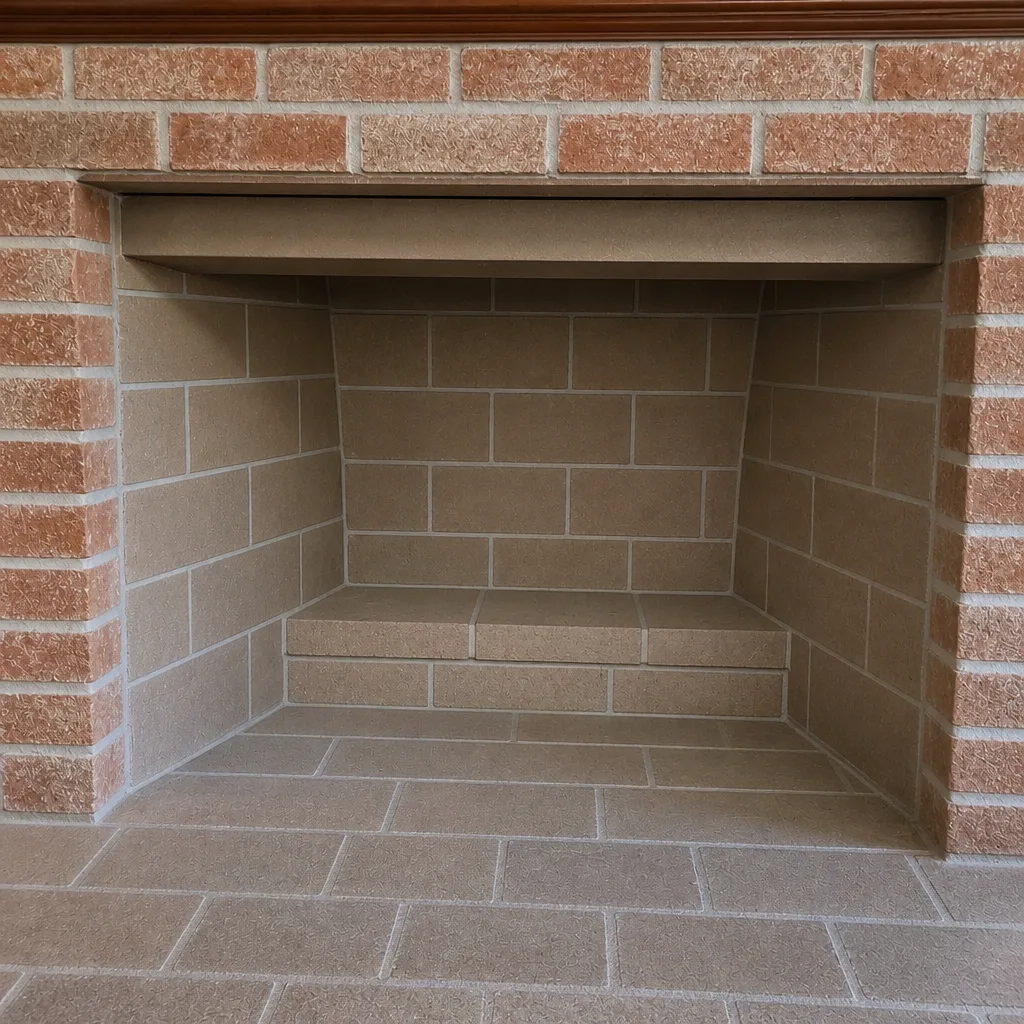
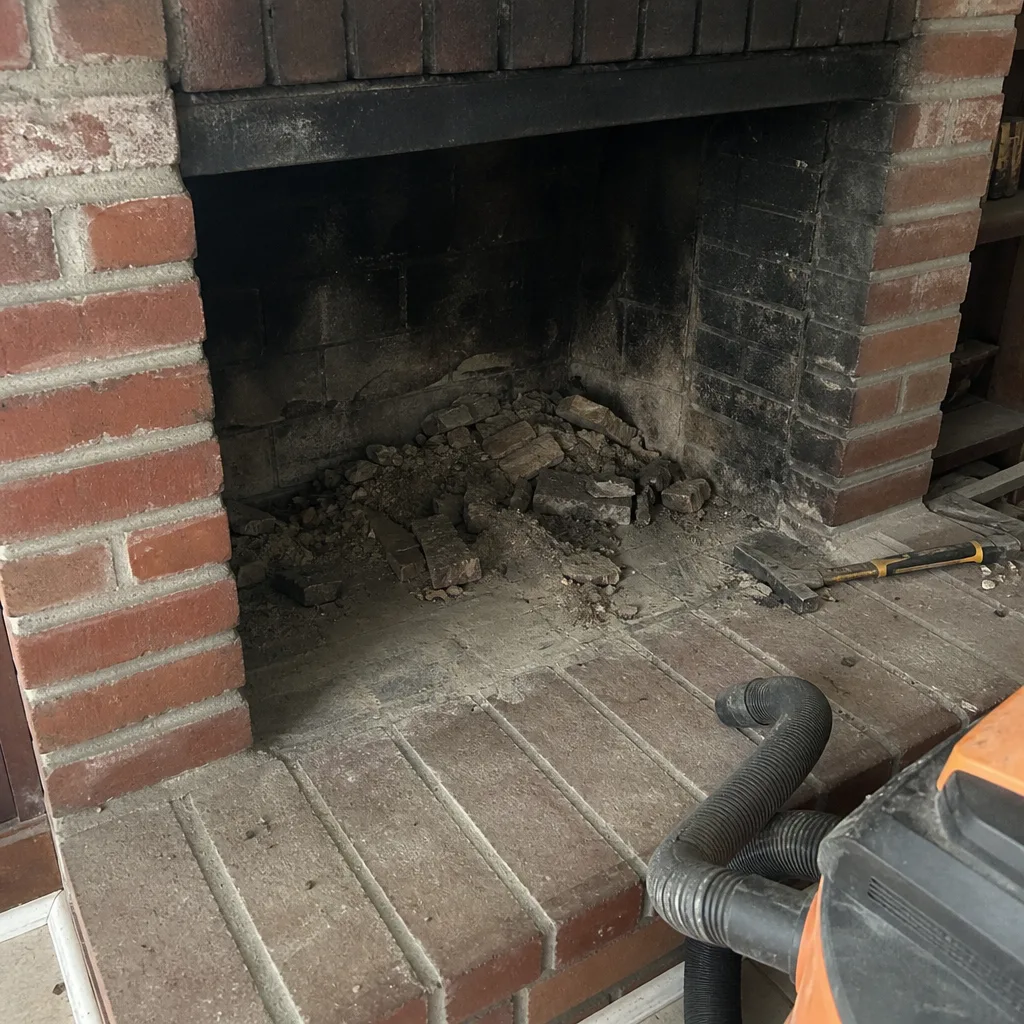
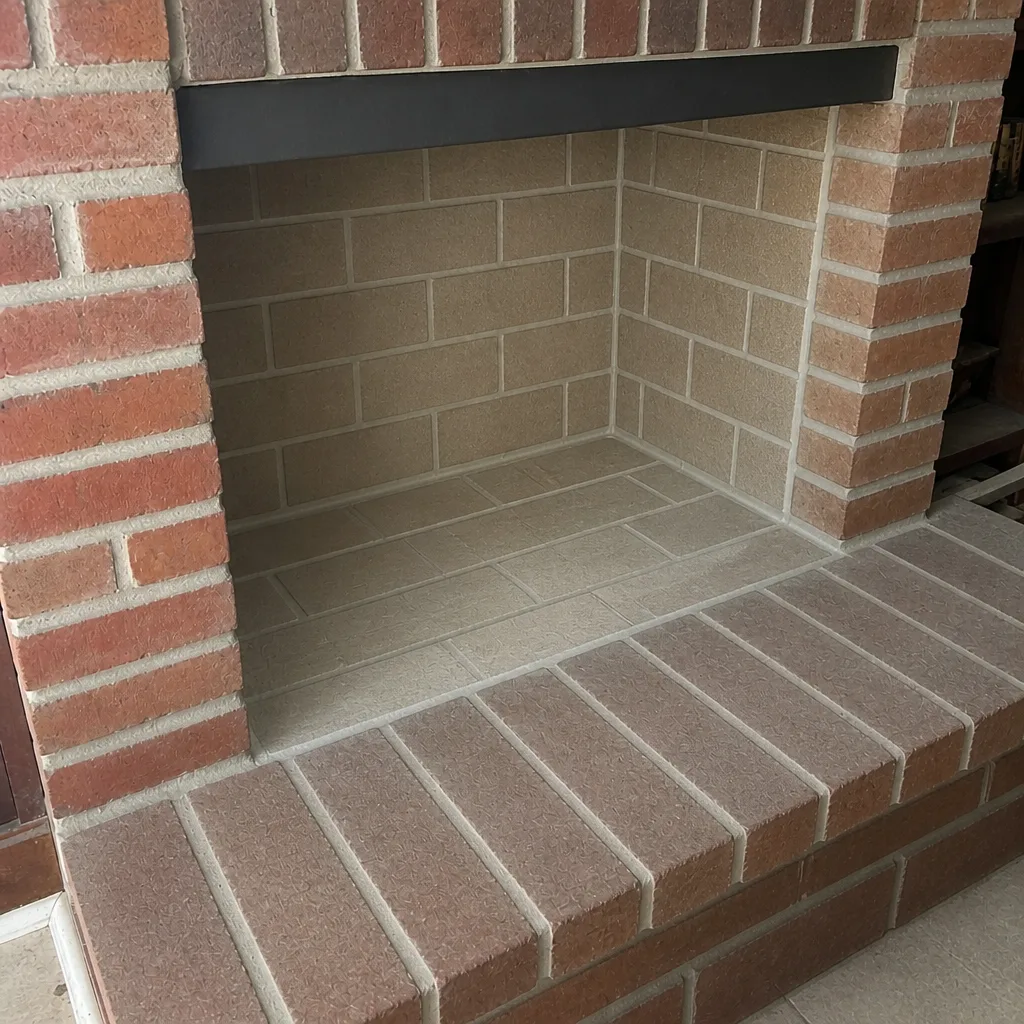
See the difference
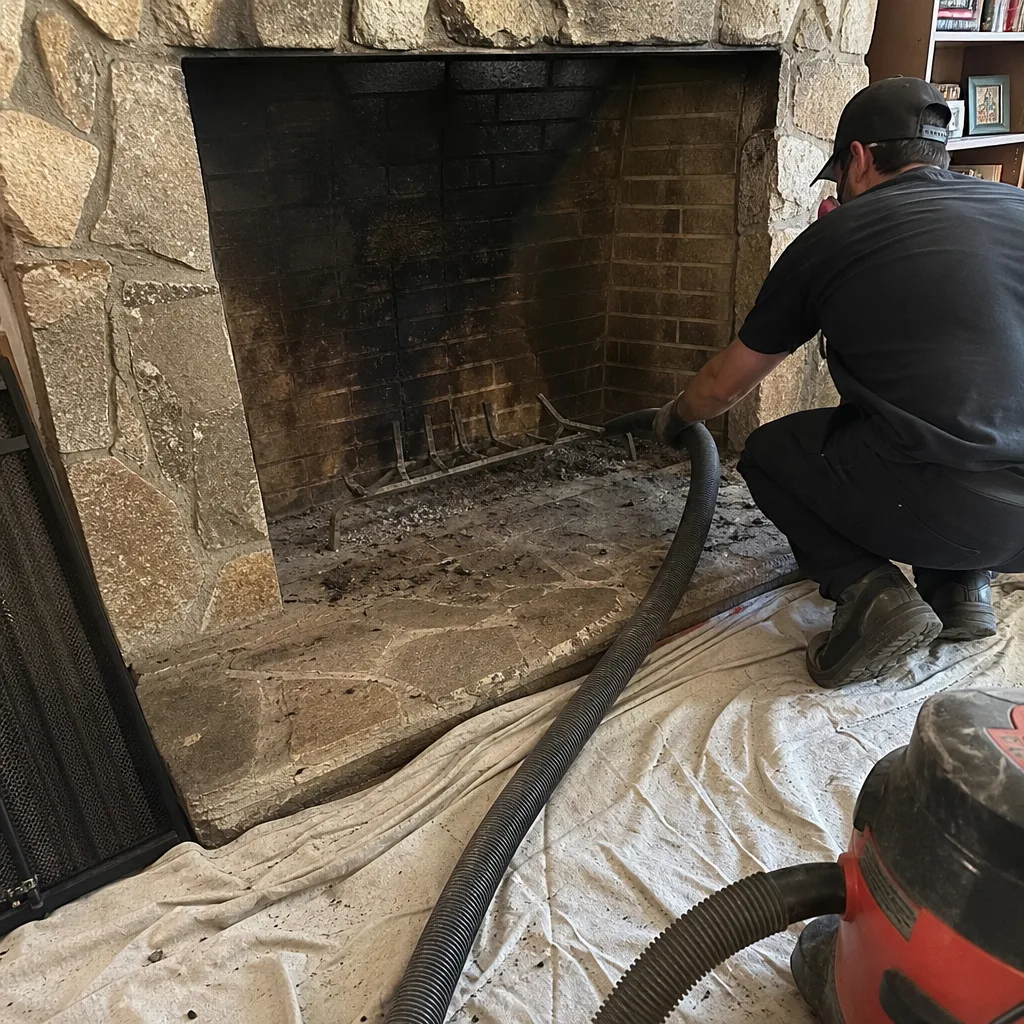 Before
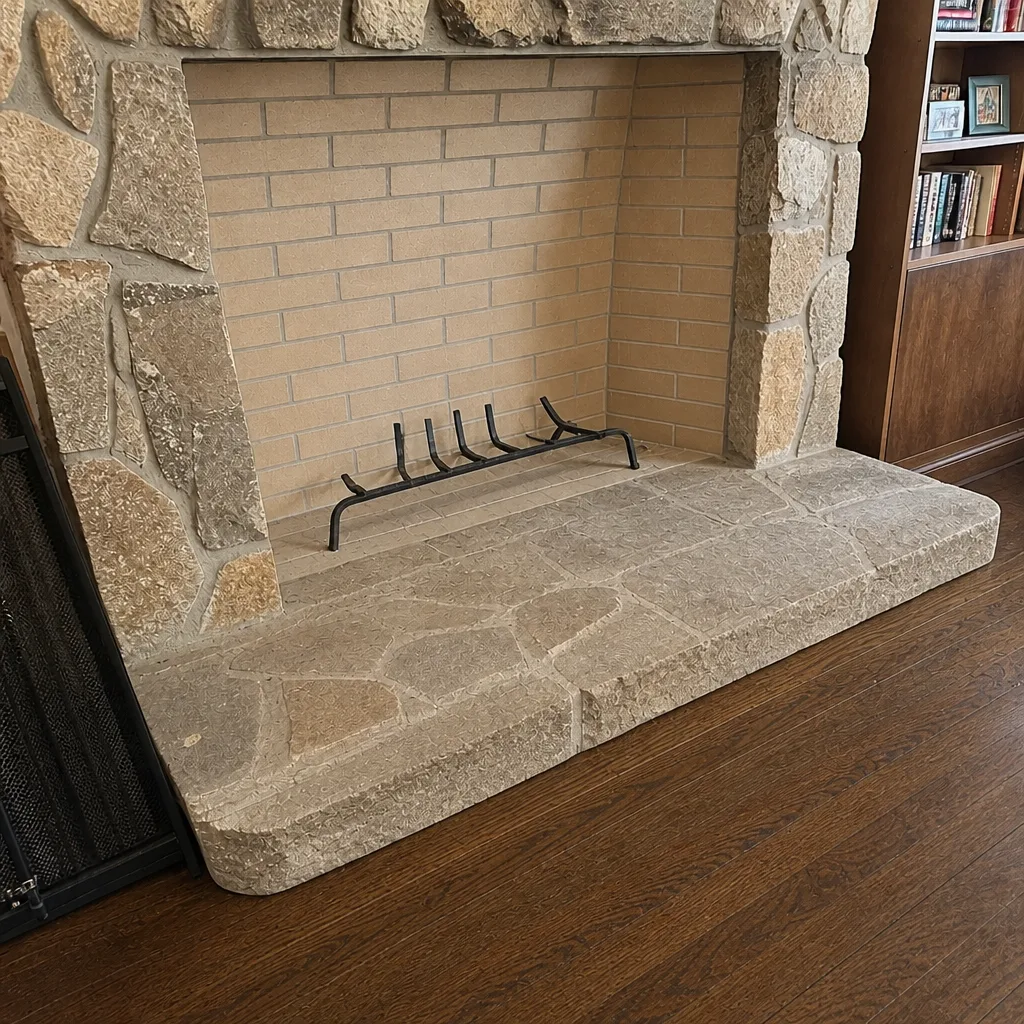 After
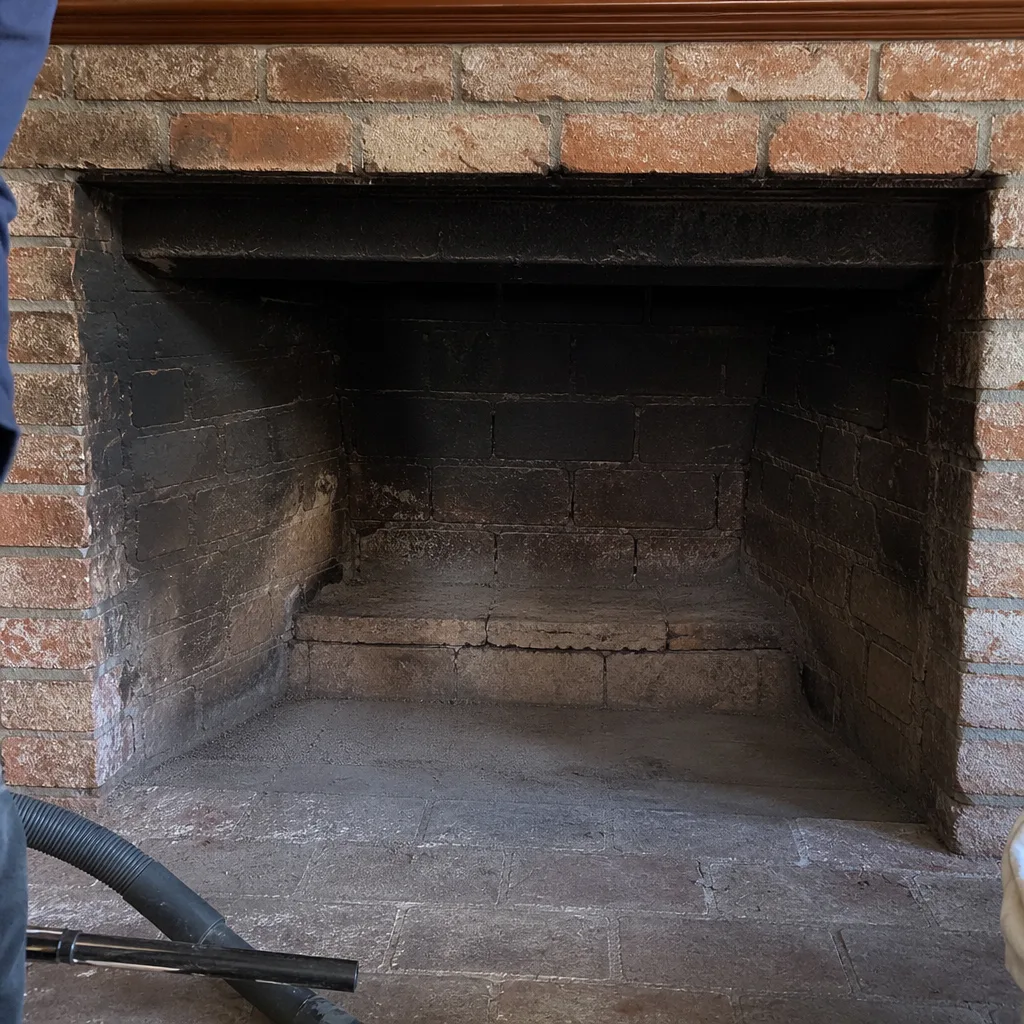 Before
 After
 Before
 After
Frequently Asked Questions
Professional chimney sweep service in Whittier typically runs between $180 and $400 for a standard cleaning and inspection. The final price depends on the chimney type, the level of creosote buildup, the accessibility of the roof, and whether rotary tools or chemical treatments are needed for Stage 2 or Stage 3 deposits. The written estimate sets the exact price before any work begins, and the estimate is free.
Creosote sweeping logs can reduce light Stage 1 deposits, but they do not remove Stage 2 or Stage 3 creosote, and they can’t inspect the flue liner, smoke chamber, or damper. They work best as a supplementary maintenance item between professional visits, not as a replacement for one. If you’re using them as your only cleaning method, you’re missing the diagnostic work that catches structural issues before they become expensive repairs.
The National Fire Protection Association recommends a professional chimney inspection at least once a year, with cleaning as needed based on what the inspection finds. For homeowners who burn wood regularly in Whittier, that typically translates to a cleaning every 1 to 2 years. Gas fireplace systems need less frequent cleaning but should still be inspected annually because vent components corrode over time without producing visible soot.
Creosote accumulates in layers, and each layer adds combustible fuel to the flue. What starts as Stage 1 powder becomes Stage 2 flakes and eventually Stage 3 glaze if left alone. In Whittier’s mid-century homes, masonry chimneys often have smoke chambers that trap creosote chunks and debris for years without being noticed. The most common outcome of skipping maintenance is a chimney fire, which can damage the flue liner, crack the masonry, and force a full reline. A less dramatic but equally common outcome is a discovered crack that went unnoticed and now requires extensive repair rather than a simple resurfacing.
No. Gas fireplaces don’t create creosote, so the cleaning process is different. But gas systems produce acidic condensate that slowly corrodes flue liners, connectors, and vent caps. Whittier homeowners with gas inserts should have the vent system inspected annually for corrosion, loose joints, and proper termination. The inspection and cleaning protocols for gas systems are different from wood-burning systems, and your sweep should be familiar with both.
Routine chimney cleaning does not require a permit in Whittier. Repairs such as a full reline, a chimney rebuild, or structural changes to the fireplace system may trigger local code requirements. Most cities require a permit for any structural repair, and your chimney professional should be able to advise on what’s needed for your specific repair. Ask the building department if you’re unsure about any planned work.
Loose, dusty soot is Stage 1 creosote, and it’s the easiest form to remove. But dust doesn’t tell you what’s underneath. A flue can have light surface dust on top of Stage 2 or Stage 3 glazed creosote that’s bonded to the liner. The only way to know for sure is a visual inspection with a light and, in most cases, a camera. If your chimney produces dust when you tap the flue walls but also has a hard, shiny surface beneath, it needs professional attention.
The Bottom Line
DIY chimney cleaning has a narrow but real place: removing loose soot from a straight flue with light usage, between professional inspections. The moment the flue holds Stage 2 or Stage 3 creosote, shows signs of liner damage, or hasn’t been inspected in over a year, the DIY approach isn’t saving money. It’s deferring a diagnosis. In Whittier, where mid-century masonry fireplaces are common and the mild climate encourages casual, lower-temperature wood burning, creosote accumulates faster than many homeowners expect. A shop brush won’t remove hardened tar. A camera will tell you if it’s there. The decision isn’t really about cost. It’s about whether you want to know what’s above the damper, or just hope it isn’t a problem.
Written by the team at Chimney Sweep Whittier, serving Whittier since 2014.