
Last updated November 4, 2026
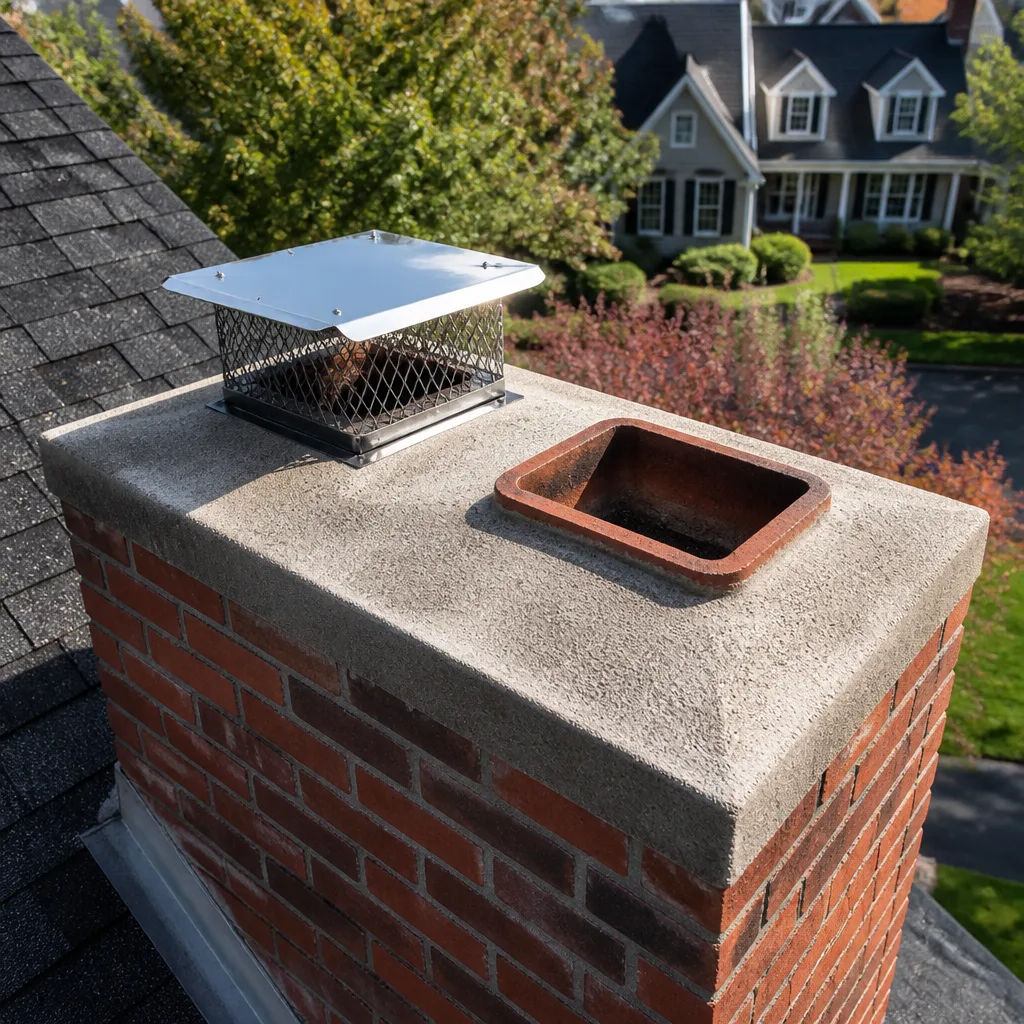 Sweep & inspection
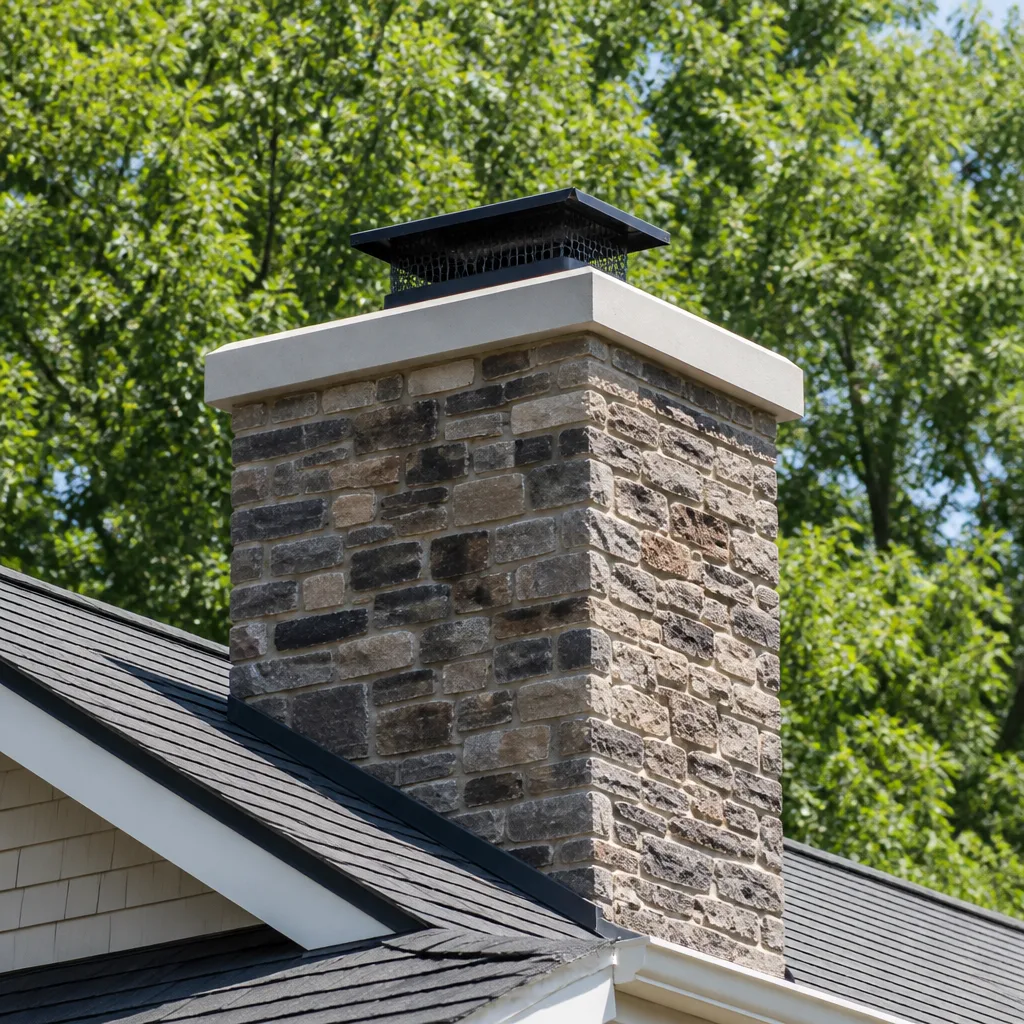 Caps & crowns
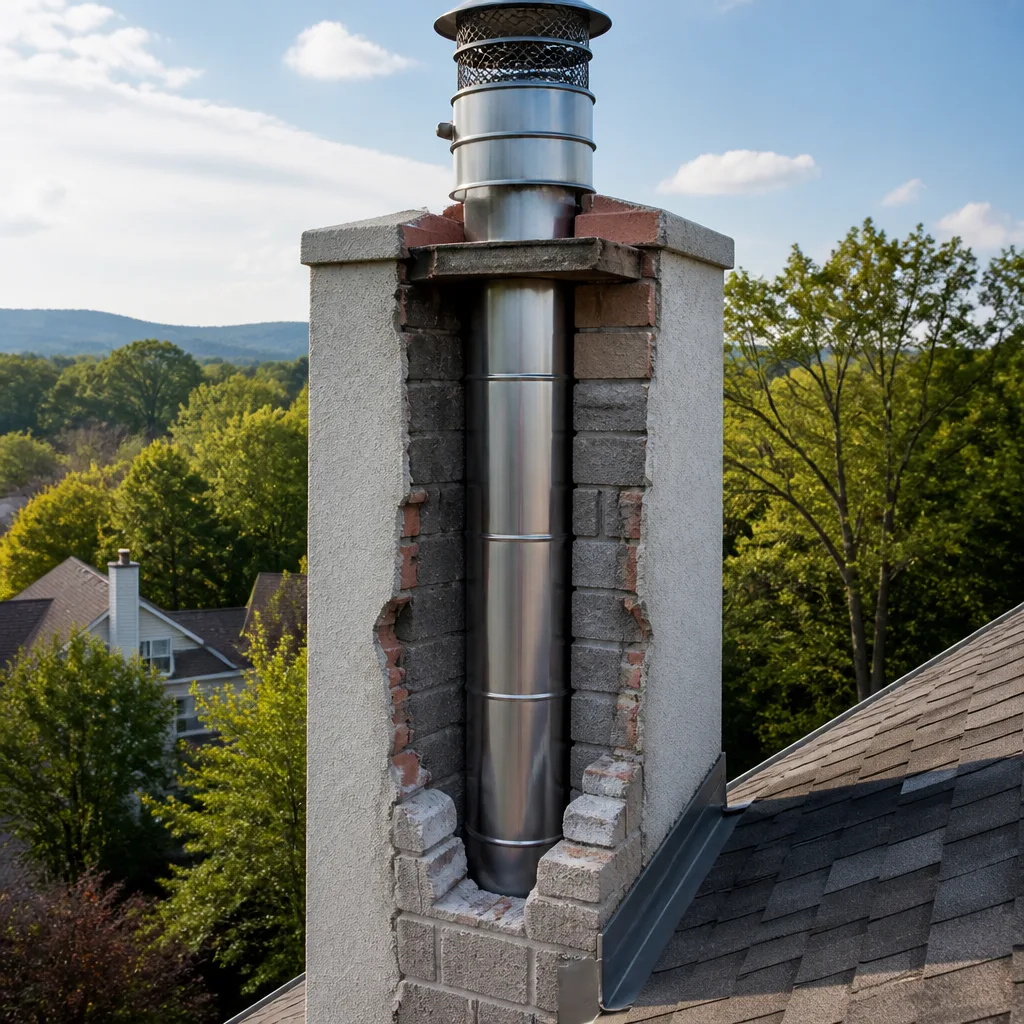 Flue relining
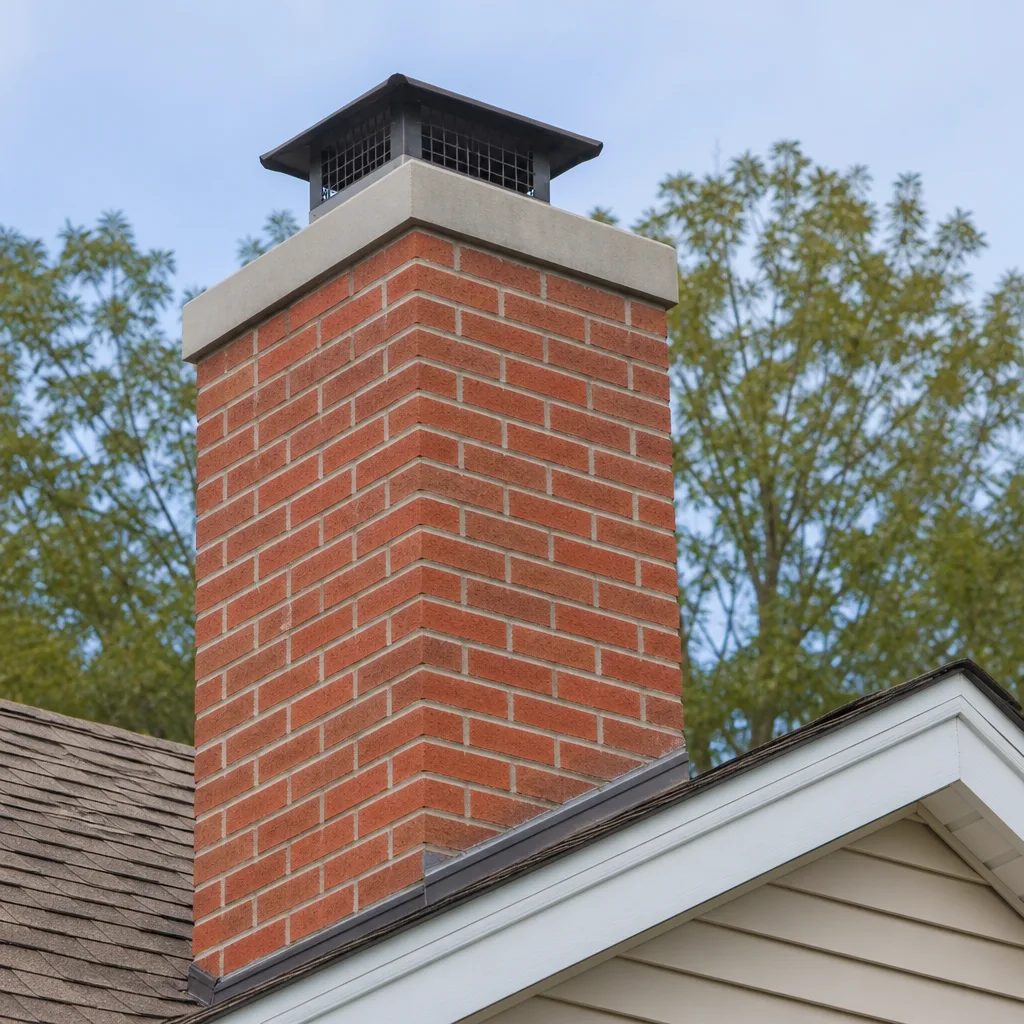 Masonry repair
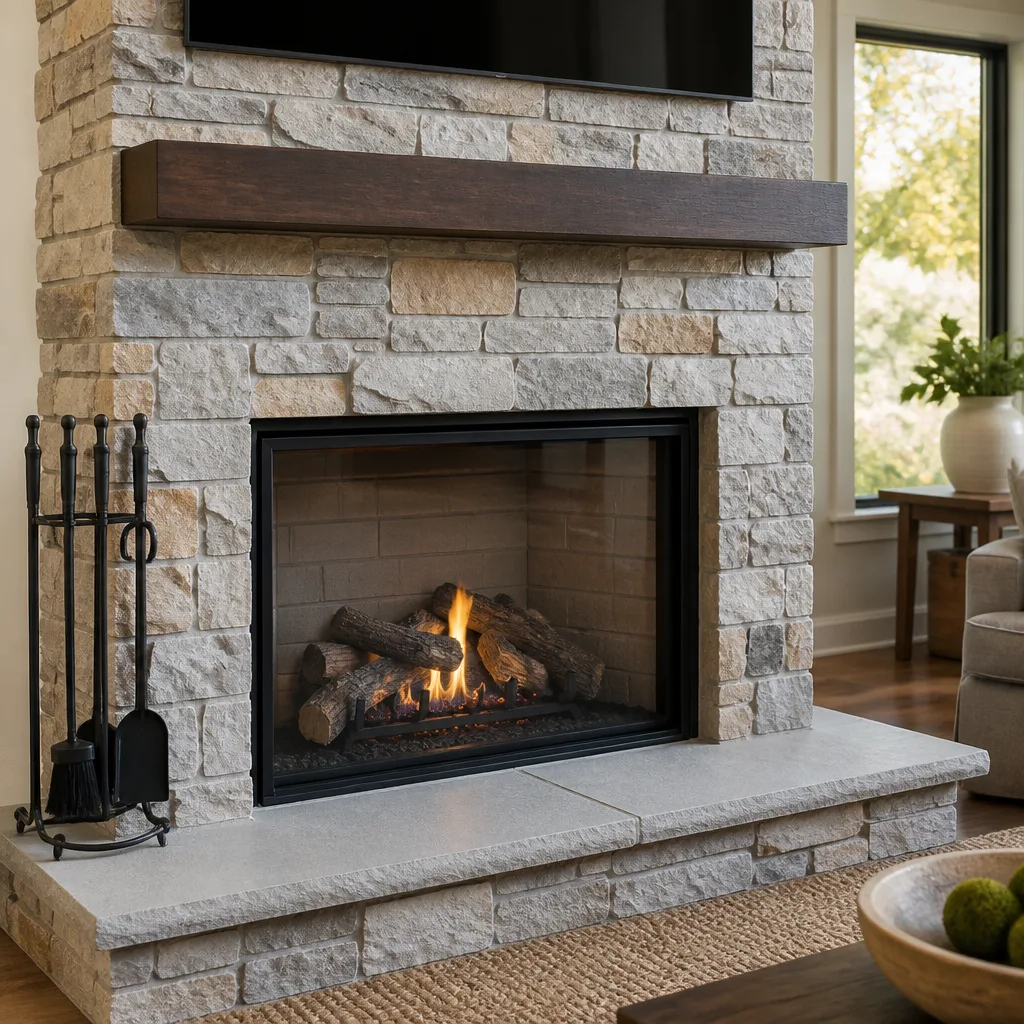 Gas fireplace service
Level 1 sweep and inspection to the NFPA 211 annual standard - flue, crown, cap, and flashing checked and photographed
Chimney sweep logs do not sweep chimneys. They loosen some creosote - which then falls where a brush and vacuum still have to collect it.
Chimney Cleaning Warning Signs: A Whittier Homeowner’s Reference Guide
A strong campfire smell in your living room on a windy day isn’t just unpleasant. It’s a pressure-reversal event, which means combustion gases are entering your home’s air supply instead of rising up the flue. That’s the same mechanism behind carbon monoxide intrusion, and it’s one of several signals Whittier homeowners tend to write off as “how fireplaces have always smelled.” This guide names the specific visual, auditory, and olfactory warning signs that indicate real problems, ties each one to a likely diagnosis, and gives you a clear urgency level. No vague talk about “unusual smells.” No hand-waving about “poor drafting.” Just the signals that matter, what they mean, and when to act.
Quick Answer
The most common chimney warning signs in Whittier are a campfire or oily smell when the fireplace isn’t in use, white staining (efflorescence) on the firebrick or exterior masonry, rust on the damper or firebox, popping or whistling sounds during a burn, and hairline horizontal cracks in the firebox corners. A campfire smell during windy weather or a sulfur odor with a gas appliance means stop using the fireplace immediately and call a professional. Most other signs allow a few days to schedule an inspection, but all of them indicate the flue system needs evaluation.
Styles & brands we work with
- Sweep & inspection
- Caps & crowns
- Flue relining
- Masonry repair
- Gas fireplace service
Table of Contents
- What Different Chimney Smells Actually Mean
- Visual Signs Inside the Firebox
- Visual Signs on the Exterior Chimney
- Auditory Cues: Pops, Whistles, and Scratches
- Whittier’s Seismic History and Firebox Cracks
- Gas Fireplace Warning Signs
- Dryer Vent Warning Signs
- When to Schedule Service vs. Stop Using the Fireplace
What Different Chimney Smells Actually Mean
Your nose is the single best diagnostic tool you have for chimney problems. Most homeowners describe any chimney odor as “smoky,” but the truth is that different smells indicate different failures in the flue system. Learning to distinguish them tells you whether you’re dealing with a minor drafting issue or a genuine safety concern.
Campfire smell when the fireplace is not in use. This is the most common complaint we hear from Whittier homeowners. It’s caused by air moving down the chimney and pushing stale creosote or soot odor into the living space. On calm days, it suggests the damper is warped, rusted, or not seating fully. On windy days, it’s often a pressure-reversal event: wind creates negative pressure at the top of the chimney, or positive pressure inside the house, and the air column in the flue reverses direction. This is not just an odor nuisance. If air can move down the chimney, so can carbon monoxide when the fireplace is operating. This signal warrants an inspection.
Oily or asphalt smell. This odor, especially when the fireplace has not been lit for days, is a sign of a clogged flue. The air pressure differential that used to let fine particles escape now lets them drop back down. Creosote that has reached stage two or stage three has a distinctly oily or tar-like smell. This means the flue has significant buildup and needs a thorough chimney sweep before further use. In our experience, this the smell homeowners wait too long on, because it’s easy to convince yourself it’s coming from outside or from the attic.
Sulfur or rotten-egg smell. This is a gas leak indicator. If the smell is accompanied by a yellow flame in the fireplace instead of a blue one, or if it gets stronger near the appliance, shut off the gas at the shutoff valve and call your gas utility immediately. Natural gas is odorless; mercaptan is added precisely so you can detect it. A sulfur smell is never normal and never something to wait on.
Damp, musty smell after rain. Rain doesn’t have to be heavy. Water getting into the flue reacts with creosote to create a sour smell that is unmistakable once you recognize it. In Whittier, where wet winters happen without freeze-thaw concerns, the likely cause is a damaged or missing chimney cap, cracked crown mortar, or deteriorated flashing at the roofline. The fix may be straightforward, but untreated water intrusion accelerates spalling and mortar erosion.
Visual Signs Inside the Firebox
Stand back and look at the firebox the way an inspector would, which means with a flashlight and a little patience. The firebox is the chamber where the fire burns. What you see there tells you a lot about the condition of the flue above it, because the two are connected as one system.
White efflorescence on firebrick. Efflorescence is a white, powdery deposit left behind when water evaporates from masonry and leaves mineral salts on the surface. In the firebox, it’s not a surface stain. It means water is moving through the brick, which means the masonry above is compromised enough to let moisture in. Water plus firebrick equals spalling, and spalling brick eventually loses structural capacity. This is a slower-moving warning sign, but it needs attention within a season, not right this moment.
Rust staining on the damper or firebox floor. Rust anywhere in the firebox is a direct indicator of water intrusion. The damper is typically the first component to show it because it’s exposed to both flue moisture and interior air. A rusted damper won’t seat properly, which worsens drafting problems and lets warm interior air escape during summer. Rust on the firebox floor often points to a leak at the crown or flashing. Either way, the water source needs to be found and corrected before the rust spreads to structural components.
Spalling firebrick. Spalling is brick that has begun to flake, chip, or crumble at the surface. It’s caused by moisture expanding and contracting inside the brick, and once it starts, it doesn’t stop on its own. A spalling firebrick is softer than a sound one, and it breaks down under heat stress. This warning sign matters because firebrick is the only barrier between your fire and the combustible framing around your fireplace. When firebrick spalls, that gap needs repair before the fireplace is used again.
Dark, shiny creosote visible in the flue. If you shine a flashlight up past the damper and see a black, glazed, shiny coating, that’s stage three creosote, also called glazed creosote. It’s the most concentrated and hardest to remove form, and it’s the most likely to ignite during a chimney fire. A Chimney Sweep Whittier inspection can measure the thickness and recommend the right removal method. Stage three creosote is a stop-using-the-fireplace-now signal.
Visual Signs on the Exterior Chimney
Most Whittier homeowners never look at their chimney from the outside, which is a shame, because the exterior often shows the earliest warning signs. You don’t need a ladder. Walk out to the street or the backyard and look.
White staining on the brick face. As with the firebox, exterior efflorescence means water is moving through the masonry. The chimney is absorbing rainwater or collecting it at the crown and wicking it down through the brick. Whittier’s wet-season rains and dry summers create a cycle of absorption and evaporation that concentrates salts and accelerates surface deterioration. A single season of visible efflorescence is a warning. Two seasons without action means real spalling risk.
Crumbling mortar joints. Mortar is the softer component in any chimney, and it’s designed to fail before the brick does. When mortar begins to crumble, you’ll see sandy particles at the base of the chimney or gaps between bricks at the upper courses. Repointing – removing damaged mortar and replacing it – is a standard repair. Left alone, the gaps widen, bricks loosen, and the chimney stack begins to shift.
A missing or damaged chimney cap. This one is straightforward. A properly installed cap keeps rain, leaves, and animals out of the flue. In Whittier, the cap also keeps embers from exiting the top and landing on dry vegetation. At Chimney Sweep Whittier, we install Gelco chimney caps and Famco vent terminations, which are matched to the flue size and secured correctly. A missing cap or a rusted, bent cap that no longer sits flush is a same-season fix because every week without one invites water and debris into the system.
Dark staining at the roofline or ceiling near the chimney. If you see a water ring on the ceiling near the chimney chase, or dark streaks on the interior wall adjacent to the fireplace, the chimney flashing has likely failed. Flashing is the metal transition between the roof surface and the chimney stack. Whittier’s steeply pitched roofs on older homes in the historic districts often have flashing that was installed decades ago and never re-sealed. This is a water-intrusion warning, and it needs a contractor who understands both roofing and chimney systems.
Auditory Cues: Pops, Whistles, and Scratches
Sound is the warning sign most homeowners never think to listen for. Yet a burning fireplace produces a fairly quiet, predictable sound profile. Deviations from that profile are meaningful.
Loud popping or banging during a burn. A certain amount of crackling is normal, especially with newer wood. But a sharp, regular popping that sounds almost like gunshots from inside the flue is different. It can mean two things. The first is that a small chimney fire is already burning off creosote deposits, which creates rapid expansion and audible pops. The second, less urgent cause is water droplets hitting hot metal components. Either way, a trained inspection is warranted. If the popping continues for more than a few minutes, extinguish the fire and do not relight until the flue has been checked.
Whistling at the damper. A high-pitched whistle when the damper is open usually means air is being pulled through a gap that’s too narrow, which happens when the damper blade is warped, the throat is partially blocked, or the damper was never sized correctly. It’S a drafting inefficiency, not an immediate danger, but it means combustion gases are not moving as cleanly as they should. The fix is often a damper adjustment or replacement.
Scratching or scurrying sounds. This one has nothing to do with the fire. Squirrels, rats, and birds find chimney flues to be convenient shelters, and animals are common in Whittier’s mature residential canopy. The sounds are most obvious at dawn and dusk. Beyond being unpleasant, an animal nest is a fire hazard: dried grass, twigs, and feathers sit directly above the heat path. If you hear scratching, do not light a fire to “smoke it out.” A nesting animal blocking the flue can trap itself and die, and its removal becomes a much bigger job. Call for an inspection and cap installation afterward.
Whittier’s Seismic History and Firebox Cracks
Here’s a warning sign that’s specific to our geography, and it’s one that gets misdiagnosed all the time. Whittier sits in a seismic zone, and dozens of small earthquakes occur each decade without making the news. Homes respond to ground movement in predictable ways, and one of those ways is hairline horizontal cracking in the corners of the firebox.
These cracks are frequently written off as cosmetic aging. But a horizontal crack that runs along the mortar joint where the firebox floor meets the back wall, or where the firebox meets the smoke chamber, is a structural signal. Firebrick expands when heated. A crack that opens a fraction of an inch during a burn and closes when cool creates a pathway for combustion gases and heat to escape into the masonry surrounding the firebox, not up the flue where it belongs.
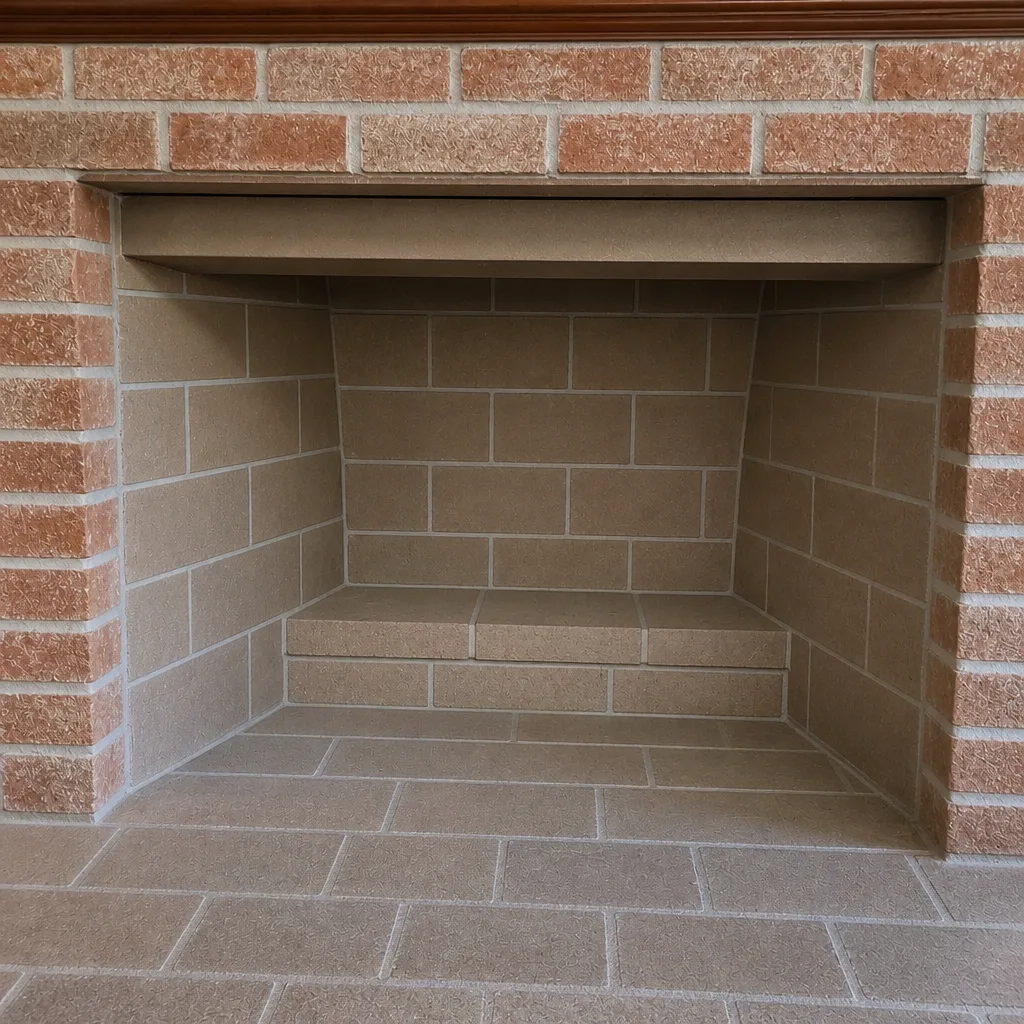
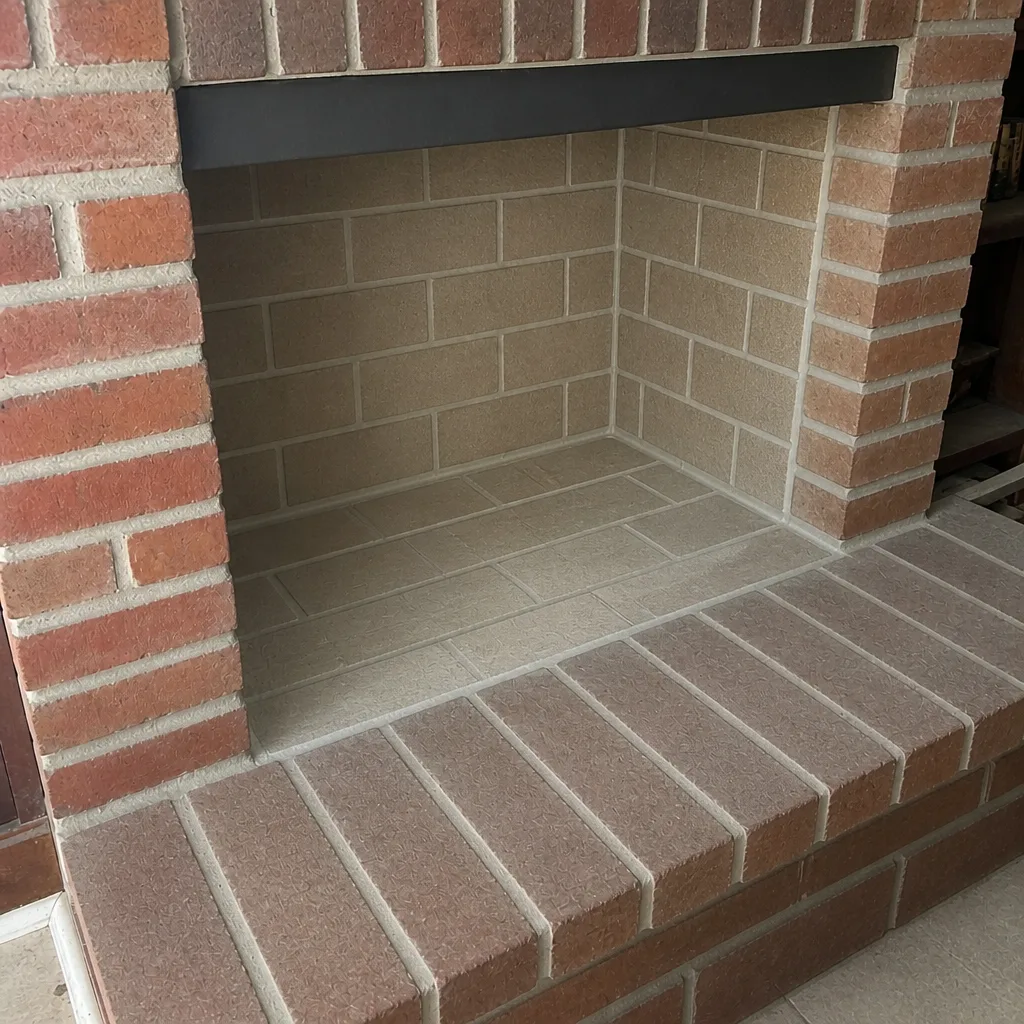
Here’s the key distinction. Vertical hairline cracks in the firebox are often cosmetic and not a structural concern. Horizontal cracks, especially in the corners, are not. They follow the direction of lateral movement from seismic activity. If you see a horizontal crack in the firebox or at the smoke shelf, stop using the fireplace and call for a structural inspection. At Chimney Sweep Whittier, we evaluate firebox cracks as part of every sweep and can apply HeatShield resurfacing product where the firebox lining has begun to separate, which restores a continuous surface and closes the gas pathway. Not every crack warrants HeatShield, but every horizontal crack warrants a licensed professional’s eyes on it.
Gas Fireplace Warning Signs
Gas fireplaces and inserts don’t produce creosote, which leads some Whittier homeowners to assume they don’t need the same level of attention. That assumption is wrong, and it’s dangerous. Gas appliances have their own warning signs, and they often involve carbon monoxide rather than soot.
Soot buildup on the logs or glass. A properly burning gas fireplace produces little to no visible soot. Soot means incomplete combustion, which means the burner or the venting system is not doing its job. In a vented gas fireplace, soot can accumulate in the flue and restrict airflow, creating a carbon monoxide risk. In a vent-free unit, soot is an even more serious combustion sign.
A yellow or orange flame instead of a blue flame. This is the single most reliable visual warning sign for gas appliances. A healthy gas flame is blue at the base with a clean, defined shape. A lazy, yellow, or flickering flame means incomplete combustion is generating carbon monoxide. This is not a “monitor it” warning. This is a turn-it-off-and-call warning.
Excess condensation on windows near the fireplace. Gas combustion produces water vapor. When the venting system is blocked or drafting poorly, that moisture accumulates inside the home rather than exiting the flue. If the windows fog up dramatically when the fireplace runs, and the condition doesn’t match the outdoor humidity, the venting system needs evaluation.
A sulfur smell when the unit is on. Covered above, but worth repeating in the gas context: a rotten-egg smell is always an emergency. Shut the gas off at the service shutoff valve, leave the house, and call the gas company from outside. Do not operate anything electrical on your way out, including light switches. This is the one warning sign in this guide that requires immediate action from a utility provider, not just a chimney contractor.
Dryer Vent Warning Signs
Most people don’t connect the dryer to the chimney, but the two systems share a common failure mode: restricted airflow leading to ignition of accumulated material. Lint is essentially a fine, dry fuel. A clogged dryer vent is a leading cause of residential structure fires, and it’s a problem that builds slowly enough to escape notice until it’s serious.
Clothes take longer than one cycle to dry. Ten years ago, a standard load dried in 40 to 50 minutes. If you’re now running the same load for 75 or 90 minutes, the vent is obstructed. The dryer is generating heat and moisture, but the moisture has nowhere to go efficiently, so it stays in the drum and slows the evaporation process. This is the earliest and most commonly ignored warning sign.
The dryer itself feels hot, or the laundry room gets humid. A dryer that’s working correctly routes most of its heat and moisture out through the vent. If the machine’s exterior feels unusually warm during operation, or the room gets muggy, the airflow path is restricted somewhere between the back of the dryer and the exterior termination.
Burning smell while the dryer runs. That smell is almost always lint smoldering somewhere in the vent line or behind the machine. Do not keep running the dryer to “see if it clears.” Unplug it and call for dryer vent cleaning before using it again. A burning smell in a dryer vent is the equivalent of stage three creosote in a chimney: not a warning to schedule, a warning to stop.
No visible airflow at the exterior vent termination. Place a hand near the vent outlet on the outside of your home while the dryer runs. You should feel a steady, warm airflow. If you feel nothing, or barely anything, the vent is substantially blocked. The fix may be as straightforward as a thorough cleaning, or it may require replacement of a crushed or poorly terminated vent section. At Chimney Sweep Whittier, dryer vent cleaning is one of the three core services we offer, alongside chimney sweeping and chimney repair, because one visit can address two of the most common household fire hazards in the same appointment.
When to Schedule Service vs. Stop Using the Fireplace
Not every warning sign means the same thing. Some allow you time to schedule service at a normal pace. Others mean the fireplace should not be lit again until a qualified professional has inspected the system. Here’s the distinction, clearly laid out.
Stop using the fireplace immediately
- A sulfur or rotten-egg smell with a gas appliance. Turn off the gas, leave the house, call the utility.
- Dark, shiny, glazed creosote visible in the flue. This is a chimney fire waiting to happen.
- A horizontal crack in the firebox or at the smoke shelf. This is a structural separation that can channel heat and gases into the masonry.
- A burning smell from the dryer vent while the dryer runs. Unplug the machine and do not use it until the vent is cleaned and checked.
- Loud, repeated popping from inside the flue that continues for more than a few minutes. Extinguish the fire and wait for an inspection.
Schedule an inspection as soon as practical
- A campfire or oily smell when the fireplace isn’t in use, especially on windy days.
- White efflorescence on firebrick or exterior masonry. This is water intrusion, and it worsens with every rainy season.
- Rust on the damper, firebox floor, or exterior metal components.
- Spalling firebrick, which is brick that flakes or crumbles at the surface.
- A missing or damaged chimney cap, or visible crumbling mortar at the upper courses.
- Whistling at the damper, which signals a drafting inefficiency that can worsen over time.
- Scratching or scurrying sounds from inside the flue.
- Dryer clothes taking noticeably longer to dry, or a laundry room that gets humid during a cycle.
Here’s what we want every Whittier homeowner to internalize: a chimney that’s showing any of these signs is a chimney that’s been giving you information for a while. The difference between a $200 maintenance sweep and a $2,000 flue repair is often just how quickly the signal got acted on. Not every repair costs that much, and not every warning sign becomes an emergency. But every warning sign is real. It’s not your imagination, and it’s not “just how old fireplaces are.”
Common Mistakes to Avoid
- Treating smell as a seasonal annoyance instead of a drafting problem. A campfire smell in the living room means air is moving the wrong way through the flue. It’s not just an odor; it’s evidence that the pressure relationship between your home and the chimney is failing, which is the same condition that allows carbon monoxide intrusion.
- Assuming a gas fireplace doesn’t need service. Gas appliances burn cleaner, but they still vent combustion gases through a flue that can become blocked, and the appliances themselves can develop incomplete combustion that generates carbon monoxide. A blue flame is the baseline. Anything else is a signal.
- Ignoring horizontal cracks because “Whittier always shakes.” Seismic activity does cause horizontal cracks, and that makes them more likely here than in many other places. It does not make them harmless. A horizontal crack in the firebox is a structural separation that needs evaluation, not a character mark.
- Lighting a fire to burn out an animal nest or heavy creosote. A chimney fire is a literal fire inside a structure designed to contain fire. Feed it a concentrated fuel source like a nest or glazed creosote, and you’re inviting damage to the flue liner and the surrounding framing. Never attempt to burn out a blockage.
- Using the dryer as a diagnostic tool. If the dryer is running hot, taking two cycles to dry clothes, or producing a burning smell, running it again to confirm the problem is exactly how lint fires start. The machine gets unplugged, and the vent gets cleaned.
- Focusing on the firebox and forgetting the exterior. Most chimney problems start at the top: the cap, the crown, the upper mortar joints. A chimney that looks dirty but sound from the street may be deteriorating badly above the roofline. If you can see it, walk out and look at it. If you can’t see it, that’s why inspections exist.
- Waiting until burning season to think about the chimney. September is when every Whittier homeowner suddenly remembers the fireplace exists. Scheduling a sweep or inspection during the warm season means faster appointments and more flexibility. Waiting until the first cold snap means competing with every other household that did the same thing.
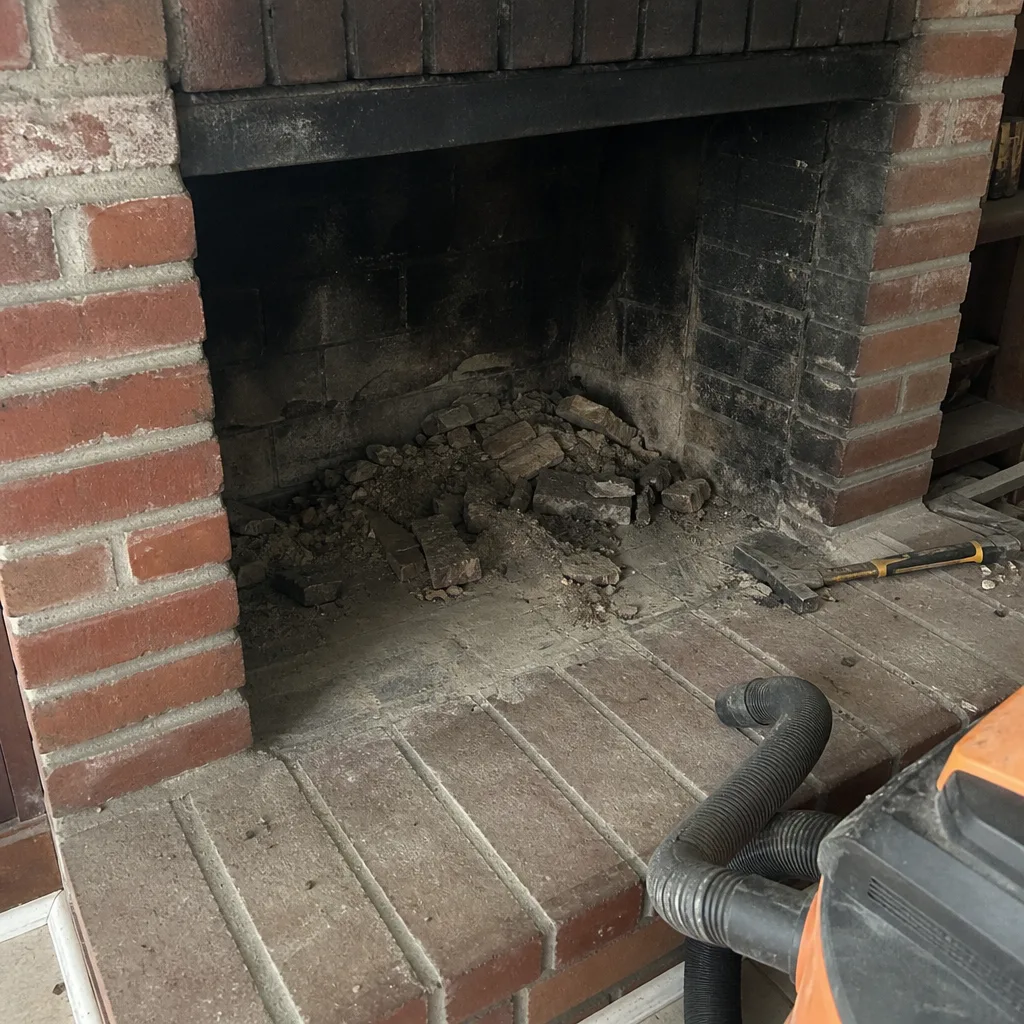
See the difference
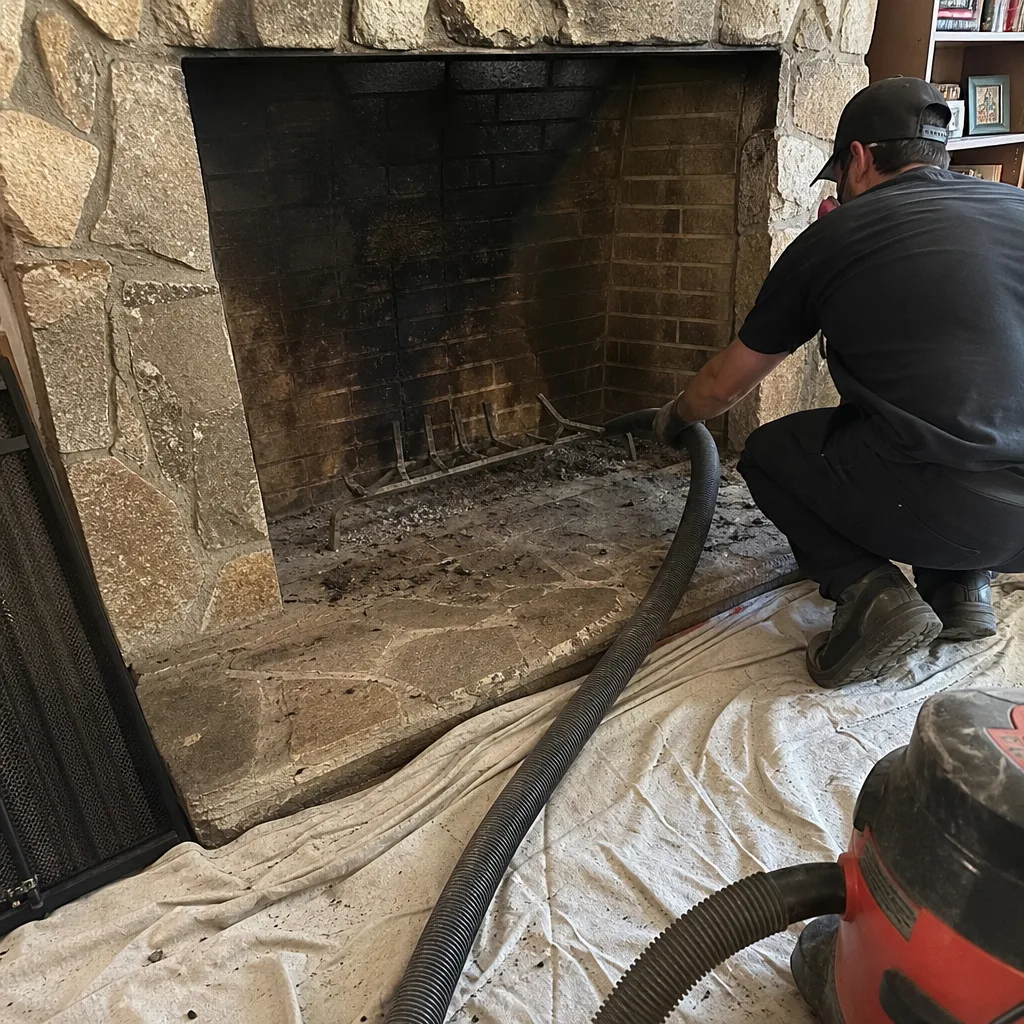 Before
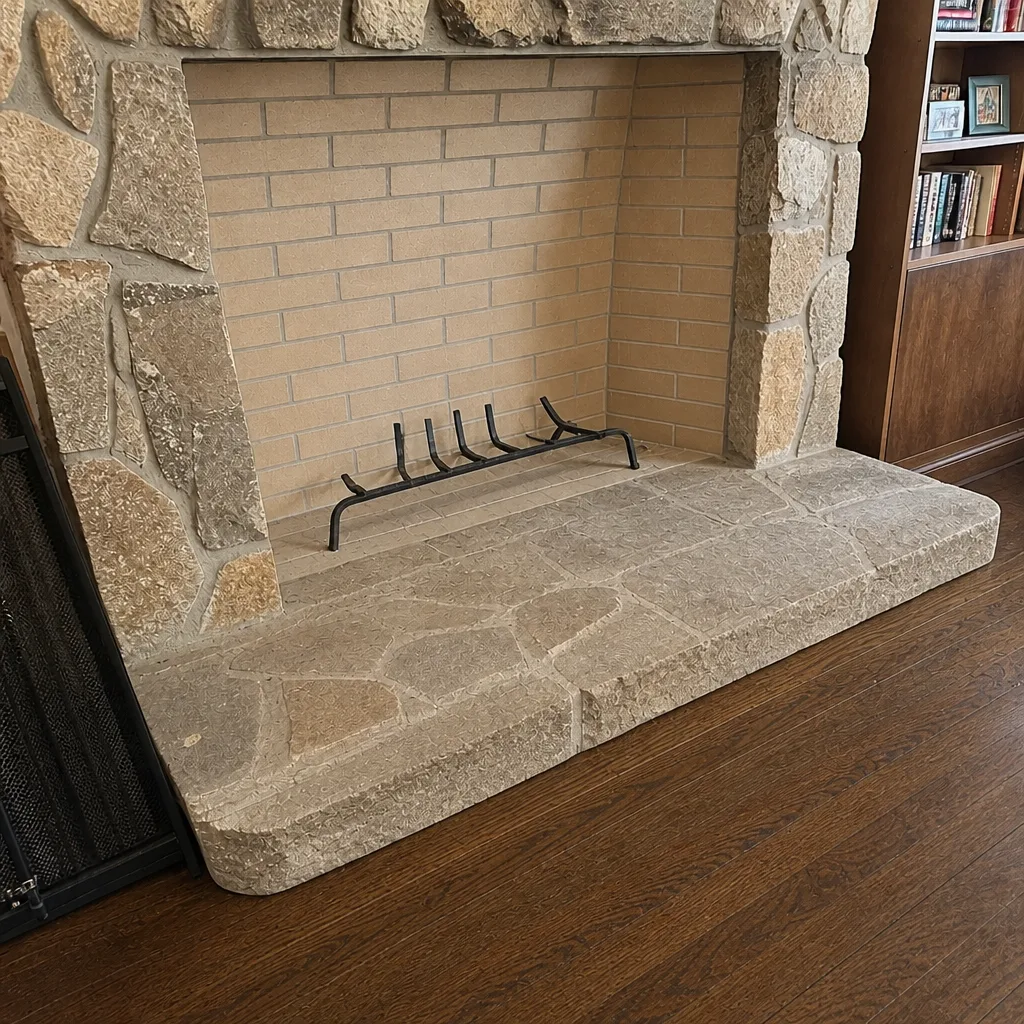 After
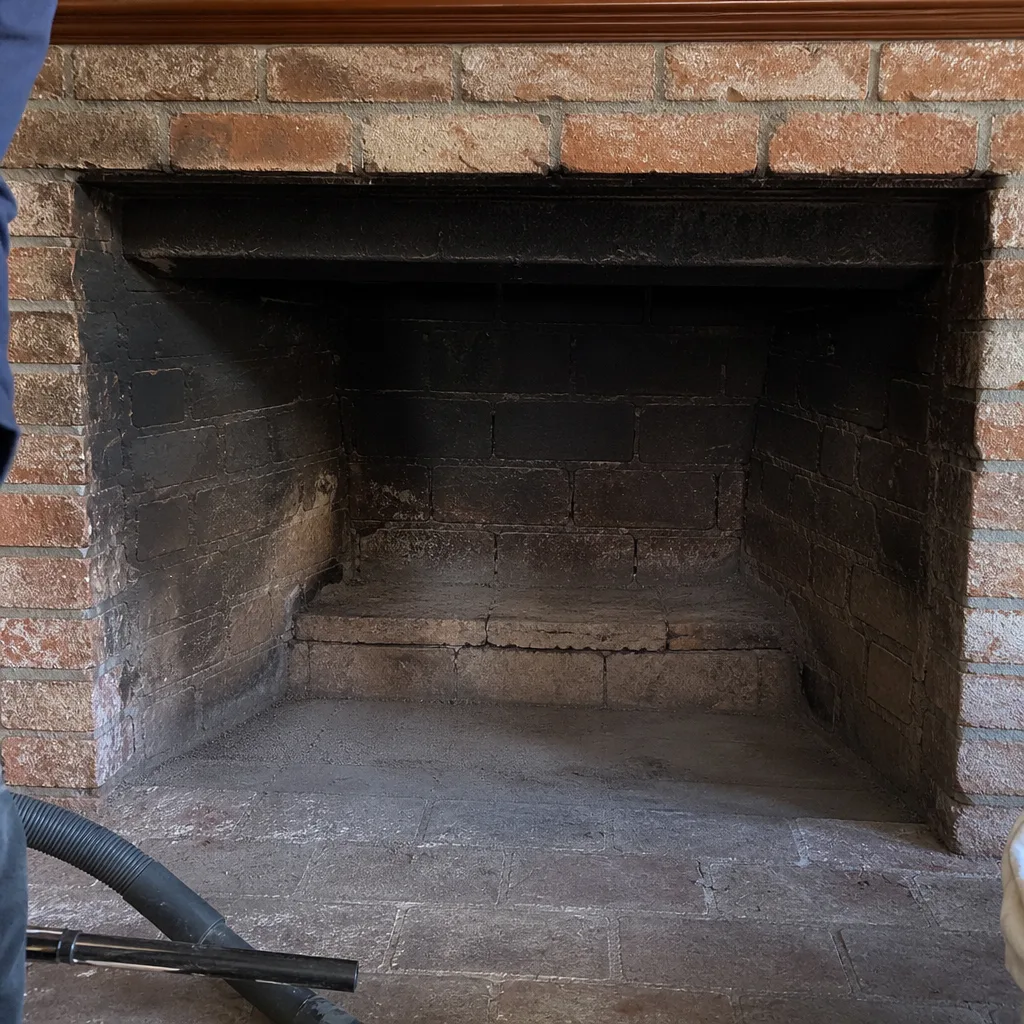 Before
 After
 Before
 After
When to Call a Professional
Any of the warning signs in this guide is a reason to call. But some situations are more straightforward than others. If you see glazed creosote, a horizontal firebox crack, a burning smell from the dryer, or a sulfur odor from a gas appliance, that’s not a call to schedule; it’s a call to stop using the system until a professional has looked. If you notice a slow-developing sign like efflorescence, rust, or a missing cap, you have some time, but not unlimited time. Every rainy season that passes without fixing a water entry point makes the eventual repair more involved. Chimney Sweep Whittier offers free estimates in Whittier. Call (866) 361-2279. We answer 24/7. Fast dispatch from 7am to 7pm, Sunday through Friday.
Frequently Asked Questions
A standard chimney sweep in Whittier is priced per job by written estimate, and every estimate begins with a free inspection. The cost depends on the flue’s condition, the amount and type of creosote present, and the access requirements of your particular home. Call (866) 361-2279 for an exact quote, the estimate is free, and the written estimate sets the final price before any work begins.
The National Fire Protection Association recommends an annual inspection for all chimneys, fireplaces, and vents, with cleaning performed when creosote buildup reaches a level that would restrict airflow or become a fire hazard. For a Whittier homeowner who burns wood regularly during the winter months, an annual sweep is typically the right interval. Lighter users may be able to go a bit longer, but the inspection schedule should stay annual.
That depends on what the inspection finds. A clay tile liner with light creosote can usually be cleaned with a standard sweep. A liner with cracked tiles, missing sections, or damage from a previous chimney fire often needs more than cleaning. In some cases, a resurfacing product like HeatShield can restore the flue’s continuous surface without a full reline. In others, a professional-grade liner system like DuraFlex is the right solution. The only way to know is with a camera inspection that shows you the actual condition of the flue, and that’s the standard we work to at Chimney Sweep Whittier. We repair what we find, with the right materials for the job, and nothing gets recommended without visual evidence you can see for yourself.
Creosote keeps building up. Stage one creosote is a flaky, ash-like residue that’s easy to remove. Stage two is a thicker, tar-like coating that requires more aggressive cleaning. Stage three is glazed, shiny, and hardened, and it’s both the hardest to remove and the most likely to ignite. If a chimney fire starts, it reaches temperatures high enough to crack clay tiles, warp metal liners, and transfer heat to surrounding framing. Skipping a cleaning doesn’t just save you the cost of the sweep; it increases the cost of whatever happens next, and it increases the chance that “next” is a fire.
You can see a lot from the ground and from inside your firebox, and this guide is designed to help with exactly that. But a complete inspection includes the full flue from top to bottom, the crown, the cap, the flashing, and the condition of the liner. That requires equipment and access most homeowners don’t have. The most valuable thing we do at Chimney Sweep Whittier is a camera inspection that shows you the inside of the flue in real time. You see what we see. You make informed decisions.
It’s a core fire-safety service, not an upsell. Lint is one of the most combustible household materials there is, and a restricted dryer vent puts that fuel directly in the heat path. Thousands of residential fires start in dryer vents every year, and most of them begin with the same warning sign: clothes taking longer and longer to dry. Chimney Sweep Whittier offers dryer vent cleaning alongside chimney sweeping because both systems fail the same way and both deserve the same level of attention. One call covers your chimney and your dryer vent.
The Bottom Line
Your chimney is a system, not a decoration, and it talks to you in smells, sights, and sounds. A campfire smell on a windy day means the flue is letting air move the wrong direction. White staining means water is getting in. Rust means water has been getting in for a while. Popping means creosote is getting hot enough to worry about. A horizontal crack means the ground has moved and the firebox has shifted with it. You don’t need to become a chimney inspector to recognize any of these. You just need to stop dismissing them as normal. The most expensive chimney repair in Whittier is always the one that got ignored for three seasons first. Call (866) 361-2279 for a free estimate. We answer 24/7. Fast dispatch from 7am to 7pm, Sunday through Friday.
Written by the team at Chimney Sweep Whittier, serving Whittier since 2014.