
Last updated November 4, 2026
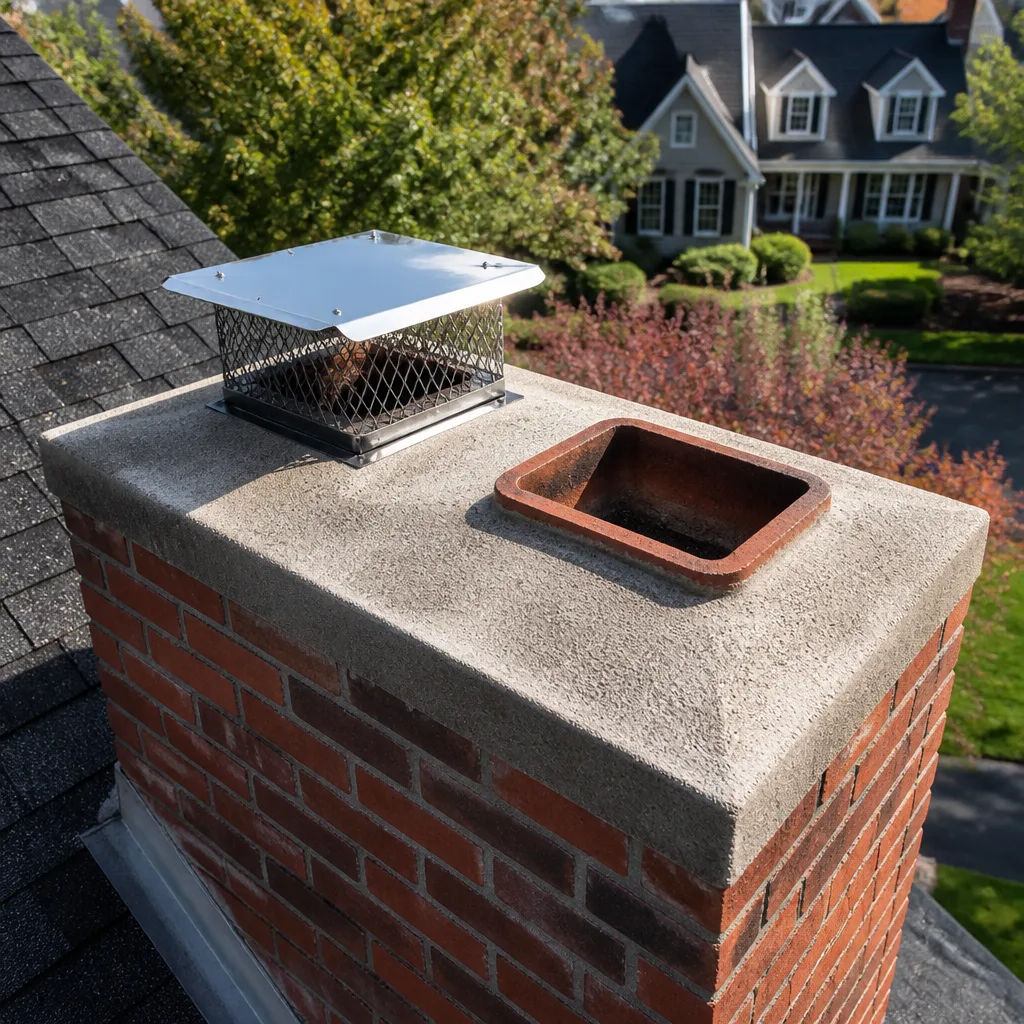 Sweep & inspection
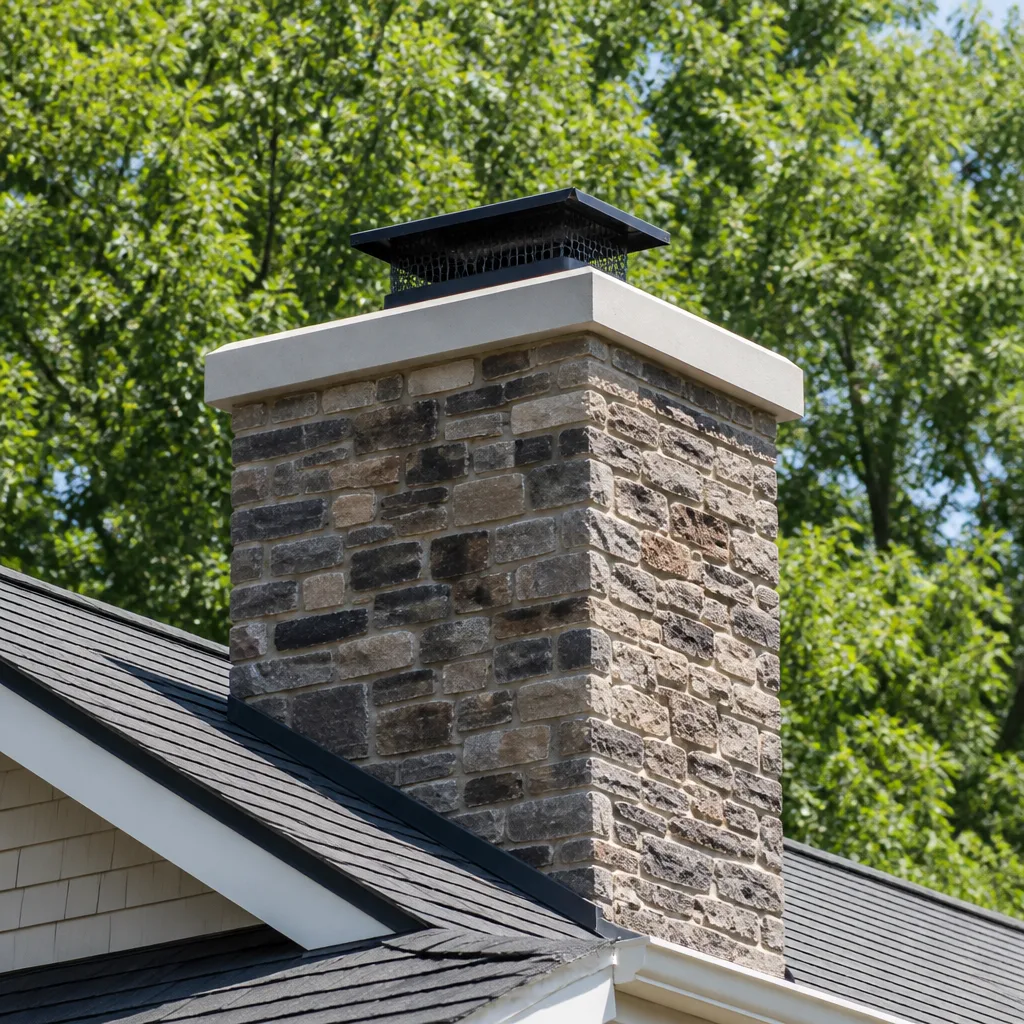 Caps & crowns
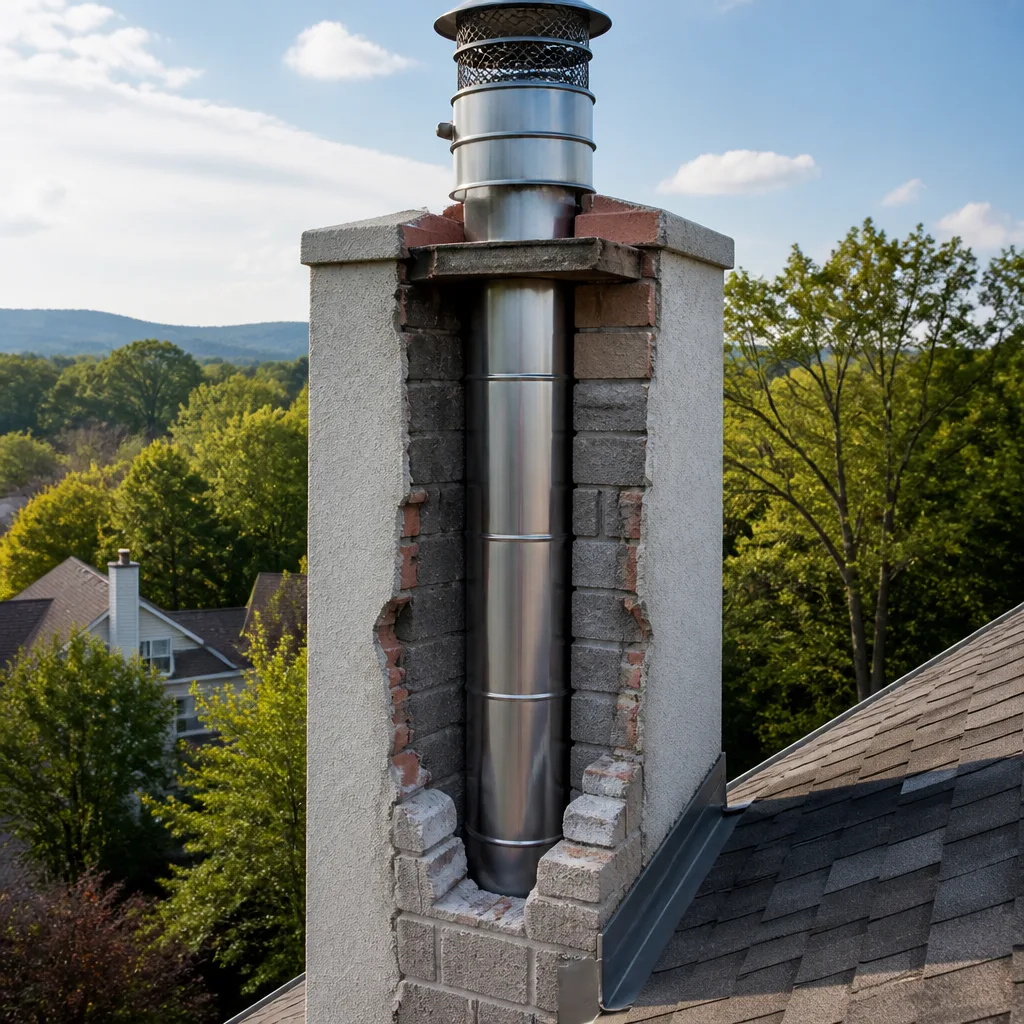 Flue relining
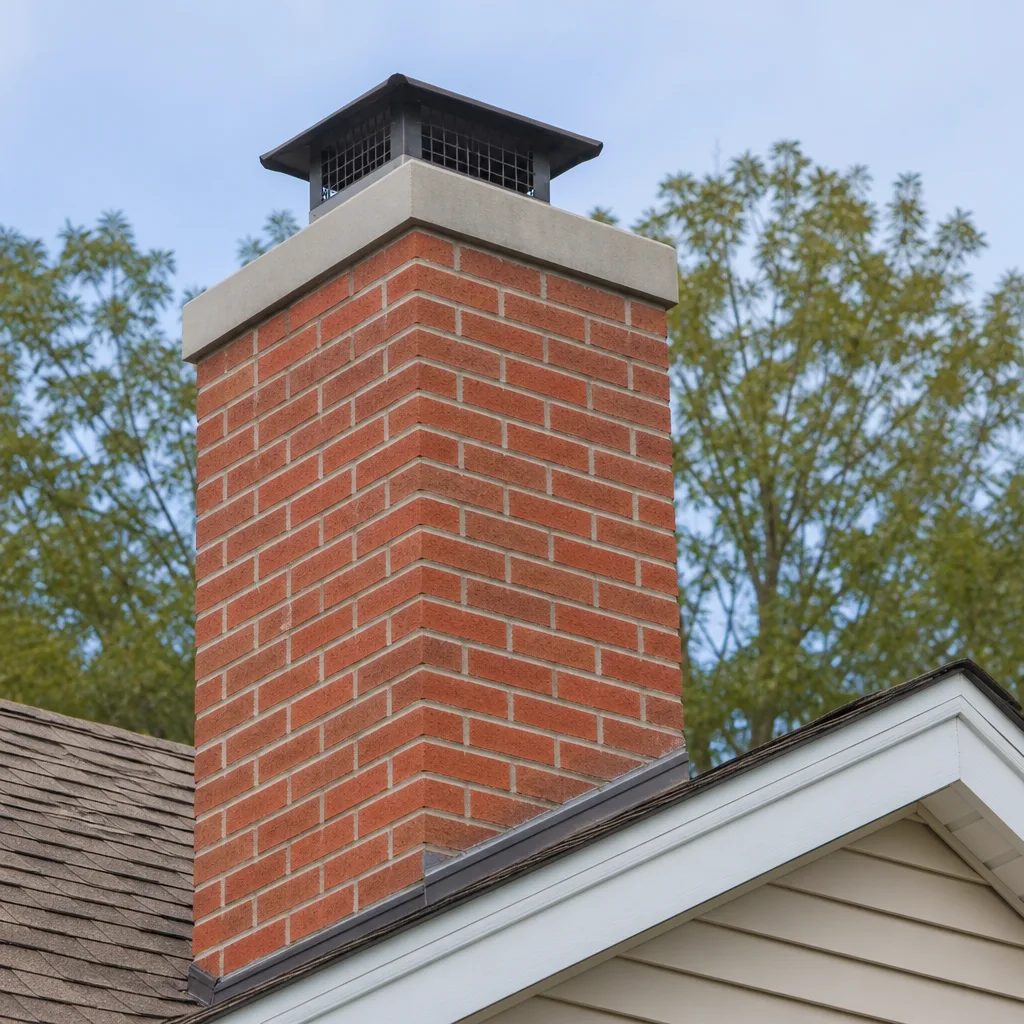 Masonry repair
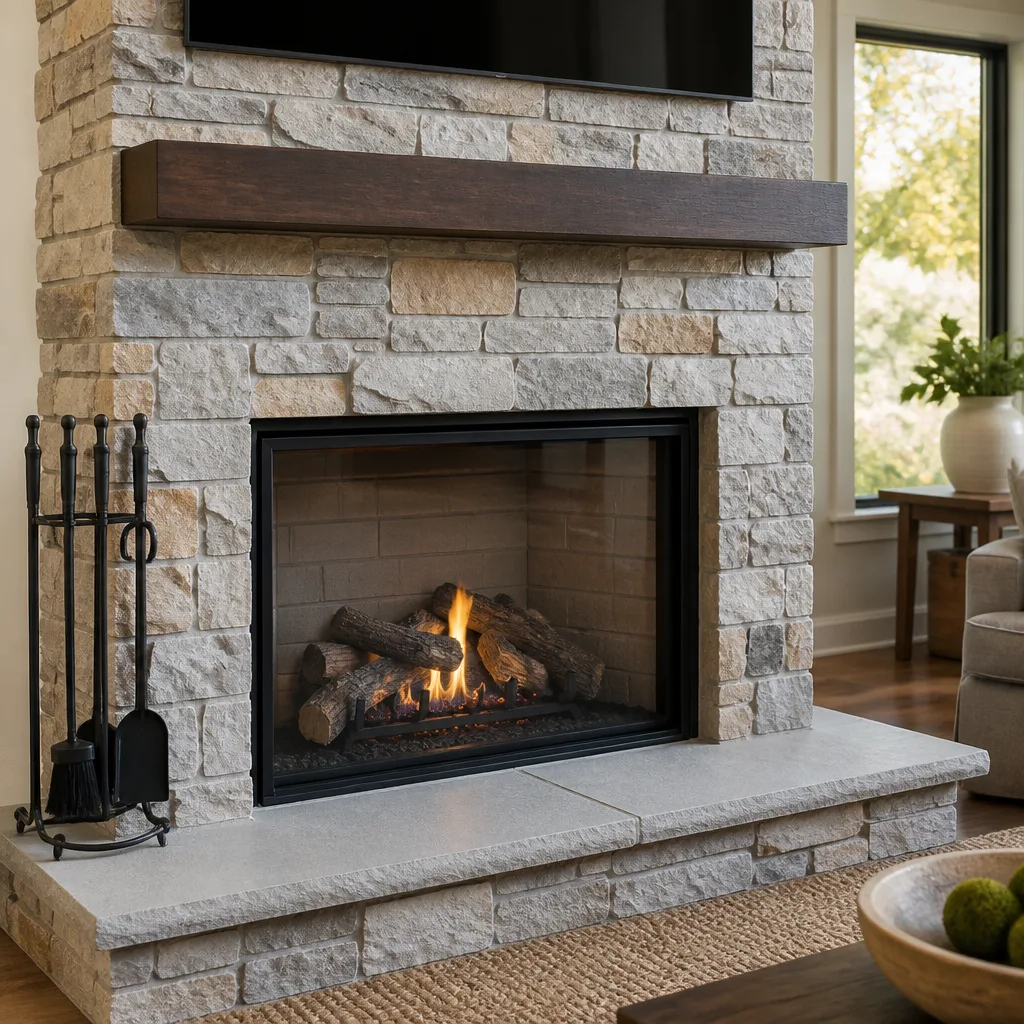 Gas fireplace service
Level 1 sweep and inspection to the NFPA 211 annual standard - flue, crown, cap, and flashing checked and photographed
Chimney sweep logs do not sweep chimneys. They loosen some creosote - which then falls where a brush and vacuum still have to collect it.
Chimney Cleaning Permits, Codes & Inspections in Whittier, CA: What You Need to Know
Most homeowners in Whittier assume a chimney cleaning is a no-permit, no-paperwork job. For a routine sweep, that’s true. But the moment anyone mentions relining, knocking down a damaged section, or replacing a chimney cap, California Building Code Section 2111 and Los Angeles County’s local amendments come into play. An unpermitted repair can leave you holding legal and insurance liability long after the contractor’s truck pulls away. This guide draws the exact line between maintenance and regulated work so you don’t cross it accidentally.
Styles & brands we work with
- Sweep & inspection
- Caps & crowns
- Flue relining
- Masonry repair
- Gas fireplace service
Quick Answer
Routine chimney sweeping in Chimney Sweep Whittier‘s service area does not require a permit under California law. However, structural repairs, relining, and certain cap installations are considered alterations and generally require a permit through the City of Whittier Building Division or Los Angeles County. When buying a home, verifying past permit history on fireplace work takes a simple records request.
Table of Contents
- Sweeping vs. Repair: The Legal Distinction
- LA County Fire Codes That Affect Whittier Fireplaces
- When a Level 2 Inspection Is Legally Required
- Verifying Permit History When Buying a Whittier Home
- What Code-Compliant Means for Caps and Spark Arrestors
- Whittier’s Wildland-Urban Interface Rules
- Dryer Vent Codes and the Overlooked Permit Question
- Common Mistakes to Avoid
- When to Call a Professional
- Frequently Asked Questions
- The Bottom Line
Sweeping vs. Repair: The Legal Distinction
California Building Code Section 2111 governs the construction, alteration, and repair of chimneys and fireplaces. The code treats maintenance and structural work differently. A maintenance activity, like an annual chimney sweep, removes creosote buildup and inspects the flue. Nothing is altered. No permit is needed. That’s the rule across Los Angeles County, including Whittier.
But the moment work changes the chimney’s structure or function, you’re in alteration territory. Replacing a cracked flue liner, rebuilding a smoke chamber, installing a new chimney cap that changes the termination, or relining with a system like DuraFlex all fall under code review. The reasoning is straightforward: a chimney is part of the building envelope. When it functions improperly, it’s a fire hazard and a carbon monoxide risk. Cities want a paper trail.
Here’s the specific split most people don’t know:
- No permit required: Routine sweeping, creosote removal, minor mortar pointing at the crown, camera inspection, replacing a damper plate with a like-for-like part.
- Permit typically required: Full or partial relining, structural repair to the firebox, rebuilding the chimney above the roofline, installing a cap that requires mounting hardware, changing vent size or configuration.
Whittier contracts its building safety services through the Los Angeles County Department of Building and Safety. A call to the Whittier office can confirm whether a specific project needs a permit. We always recommend asking before work begins, because the city’s answer is the only one that matters if you ever face an insurance claim.
One nuance worth knowing: homeowners can pull their own permits for some work. But if you hire a contractor who says they’ll handle it, verify. In our experience, the most common local problem isn’t that work gets done without permits. It’s that the homeowner assumes the contractor pulled one, and that assumption is wrong.
LA County Fire Codes That Affect Whittier Fireplaces
Whittier falls under the Los Angeles County Fire Department for fire code enforcement. The fire code adds a layer beyond the building code, especially for solid-fuel burning appliances. Understanding this layer helps you avoid fines and keeps your insurance policy intact.
LA County Fire Code addresses three areas that matter to Whittier homeowners:
- Solid-fuel appliance operation: Wood-burning fireplaces are legal in Whittier, but the county enforces no-burn days during poor air quality through the South Coast Air Quality Management District. Check requirements before lighting a fire during summer and fall haze.
- Clearance and spark protection: Fire code requires that any chimney serving a solid-fuel appliance terminate at least 2 feet above any structure within 10 feet. A spark arrestor is mandatory in many LA County jurisdictions, particularly in high fire hazard zones.
- Inspection after fire incidents: If a chimney fire occurs, the fire department typically requires a professional inspection before the fireplace can be used again. That inspection is usually a Level 2, which we’ll cover below.
Whittier’s combination of older housing stock and hillside neighborhoods means many original chimneys predate current clearances. A home built in the 1950s with a short chimney might have been code-compliant then and non-compliant now. When we do a chimney sweep, we note any termination height or spark arrestor issues so you can address them before a fire inspector or a home sale brings them up.
The fire department also cares about what you burn. Treated lumber, construction debris, and trash are never legal to burn in a Whittier fireplace. Only seasoned firewood. It’s a code issue and an air quality issue, and fire enforcement officers do respond to complaints.
When a Level 2 Inspection Is Legally Required
A Level 2 chimney inspection is a step below destructive testing but far more thorough than a visual check. The National Fire Protection Association’s NFPA 211 standard defines three inspection levels. Level 1 is the standard annual check. Level 2 adds camera scanning of the flue interior and examination of accessible areas around the chimney.
California recognizes NFPA 211 as incorporated by reference into building and fire codes. That means a Level 2 isn’t optional in certain situations. It’s legally required. Here are the situations that trigger one:
- Real estate transfers: Most California jurisdictions, including Whittier, follow the NFPA 211 requirement that any chimney in a home being sold receives a Level 2 inspection. This protects both buyer and seller and is often a condition of closing.
- After a chimney fire: The structural integrity of the flue is in doubt after any fire event. A Level 2 uses a camera to check for cracked liners, separated joints, or hidden damage that would allow heat to reach combustibles.
- After structural changes: Any time the home is remodeled near the chimney, or the chimney itself is altered, a Level 2 confirms the changes didn’t compromise the system.
- Change of fuel or appliance: Converting a wood fireplace to gas, or installing a new insert, requires confirming the existing flue works for the new setup.
We perform Level 2 inspections in Whittier as part of our diagnostic service. The camera footage gives you, the building department, and your insurance company the same evidence. If the inspection finds deterioration that doesn’t yet present an immediate hazard, we tell you plainly. Not everything needs work today. But when deterioration reaches the point where the flue can’t safely contain heat and combustion gases, relining with HeatShield or a DuraFlex system is the code-compliant fix.
Verifying Permit History When Buying a Whittier Home
Purchasing a home in Whittier with a fireplace means taking on whatever was done to that chimney before you. That includes unpermitted work. Under California law, sellers must disclose known unpermitted work, but many simply don’t know the history. The old owner’s handyman relining job from 2009 might not surface until an inspection finds it.
California Civil Code and standard real estate transfer disclosure statements place responsibility for accurate permit history on the seller. But the practical burden falls on the buyer. Here’s the step-by-step verification process:
- Request a permit history report: Contact the Los Angeles County Department of Building and Safety and request the permit records for the property’s address. This shows all permits pulled for fireplace or chimney work going back decades.
- Compare with visual evidence: If the home has a stainless steel liner installed in the last 15 years but no permit record exists, that’s a red flag. The seller may be able to resolve it, or you may want the work inspected before closing.
- Get a Level 2 inspection: Independent of permit history, a Level 2 inspection tells you the actual condition of the flue. Use our Chimney Sweep Whittier team for this: we provide camera inspection and a written report that you can take to negotiations.
- Work with your title company: Sometimes permit searches reveal open code enforcement cases. Title companies can flag these if you ask.
The key point: unpermitted chimney work doesn’t automatically doom a sale. But it affects value and insurability. If the work was done correctly, a retroactive permit may be possible. If it was done poorly, you’ve identified a repair cost before you own the problem. Either way, knowledge is leverage.
What Code-Compliant Means for Caps and Spark Arrestors
Every chimney termination in Whittier should have a cap. The building code requires a rain termination to prevent moisture entry, and the fire code generally requires a spark arrestor on any solid-fuel burning appliance. But not every cap sold at the hardware store meets the standard. Some are cosmetic.
A code-compliant cap does three things:
- Prevents rain and debris entry: Southern California doesn’t deal with freeze-thaw, but rain and leaf litter still degrade mortar crowns and liners over time.
- Contains sparks: A proper spark arrestor uses mesh sized to stop embers from escaping. The standard mesh opening is 1/2 inch to 5/8 inch. Larger openings defeat the purpose.
- Preserves draft: A cap that’s too restrictive can create backdrafting, pushing smoke and carbon monoxide into the home.
We install Gelco caps in Whittier because they’re purpose-built for the application. A Gelco cap comes with the mounting hardware and engineering data the local building department expects to see. The same goes for Famco when we’re terminating a dryer vent or ventilation pipe: matched, code-compatible components rather than improvised parts.
When we replace a cap, we confirm the existing flue was sized correctly and that the new cap doesn’t restrict draft. If the flue has been oversized for the appliance from the start, adding a restrictive cap can turn a functioning fireplace into a smoking problem. That kind of system-level thinking is what separates a code-compliant repair from one that’s just “close enough.”
Whittier’s Wildland-Urban Interface Rules
Whittier’s hillside areas, particularly along the Puente Hills ridgeline and stretches of Friendly Hills, sit in California’s wildland-urban interface zone. The state classifies these areas as having elevated wildfire risk due to their proximity to undeveloped land. That classification changes the rules for any home, and specifically for any chimney serving a wood-burning fireplace.
California Building Code Chapter 7A applies to structures in the wildland-urban interface. For chimneys and fireplace terminations, Chapter 7A requires:
- Spark arrestors on all solid-fuel burning chimneys: This is not optional in the interface zone. The arrestor mesh must be sized to prevent ember escape, and it must be maintained so it’s not clogged with creosote.
- Ember-resistant construction at roofline: While this is more about vents and eaves, the chimney termination’s interaction with the roof matters. Gaps where embers can collect are a code issue.
- Maintenance obligations: In high fire hazard zones, routine creosote removal isn’t just a best practice. It’s legally tied to property fire safety compliance, and insurance carriers increasingly ask for proof of annual cleaning.
- Duct material: Smooth metal duct is the standard for any concealed run. Flexible foil is only for short connector sections, never inside walls.
- Maximum length: The code calculates maximum allowable length based on elbows. A straight 35-foot run might be fine; a 25-foot run with three elbows might not. Every elbow shortens the allowable distance.
- Termination: The vent must terminate outside, not into an attic, crawl space, or garage. The termination must have a backdraft damper and a Famco style cap designed for dryer vents, not a generic louver that flappers in the wind.
- Lint screen and cleanout access: The system must be cleanable. An inaccessible run that hasn’t been cleaned in years is its own fire hazard, and a code inspector has no way to confirm it meets the standard.
- Assuming a chimney sweep automatically includes a code compliance review. A sweep removes creosote and looks for obvious problems. A code review is a separate, more detailed assessment. Ask whether your sweep includes it, because in Whittier’s older housing stock, it often surfaces issues worth addressing.
- Accepting verbal permit assurances from a contractor. A contractor saying “we’ll handle the permit” is not the same as a permit number appearing in LA County records. Verify it. You’re the one whose insurance claim gets denied if it doesn’t exist.
- Replacing a chimney cap with whatever the hardware store sells. Most caps don’t include the engineering data or spark arrestor sizing that Whittier’s fire code requires in the interface zone. A generic cap can actually create draft problems or fail inspection.
- Ignoring a chimney fire because the damage wasn’t visible. Cracked flue liners and separated joints are frequently invisible without a camera. A Level 2 inspection after any fire event is legally required, and skipping it means you’re burning in a system you can’t verify.
- Skipping annual cleaning because the fireplace “doesn’t get used much.” Creosote accumulates every time wood burns, and the rate depends on wood type, burn habits, and chimney temperature. Infrequent use with cool fires can actually produce stickier, faster-accumulating creosote.
- Buying a Whittier home without pulling the chimney permit history. The seller may not disclose unpermitted work, but the county records are public. A records request is cheap insurance against inheriting a problem.
The Whittier hills are drier and more vegetated than the flats. A spark landing in native brush on an August afternoon is a different risk profile than a spark landing on a watered lawn near Bailey Street. If your home is in the zone, we recommend confirming your cap and spark arrestor setup before the Santa Ana season. The conversation costs less than the insurance complication.
We stock Gelco and Olympia Chimney termination products because they meet the interface zone requirements without guesswork. When we leave a Whittier hillside home, the cap does what the fire code expects it to do.
Dryer Vent Codes and the Overlooked Permit Question
Chimney and dryer vent systems share a code chapter, and the same confusion about permits applies. A routine dryer vent cleaning doesn’t require a permit. Replacing a vent run, changing its length, or relocating the termination often does.
California Mechanical Code limits dryer exhaust runs based on the number of elbows and the type of duct material. Flexible foil duct is legal only in limited lengths home improvement stores keep selling it, but the code restricts it more than most DIY installs comply with. Here’s what the code actually says:
We offer dryer vent cleaning in Whittier because lint accumulation is one of the most common residential fire hazards, and most homeowners don’t know their vent run length or configuration. We clean the line, note any code issues, and can install a proper Famco termination if the existing one is deteriorating or was non-compliant from the start.
Common Mistakes to Avoid
When to Call a Professional
Some Whittier chimney situations call for expertise rather than a DIY assessment. If you’ve had a chimney fire, even a small one, get a Level 2 inspection before the next burn season. If you’re buying or selling a home with a fireplace, the inspection requirement isn’t optional in most transactions. If your chimney cap is loose or missing, don’t wait: a missing cap invites rain damage and creates a spark risk, both of which have costs that compound.
If your dryer vent cleaning is long overdue or you’ve never seen the termination, that’s a straightforward service call that addresses a real fire hazard. Chimney Sweep Whittier offers free estimates in Whittier. Call (866) 361-2279. We answer 24/7. Fast dispatch from 7am to 7pm, Sunday through Friday.
Frequently Asked Questions
No. Routine chimney sweeping is considered maintenance under California Building Code and does not require a permit anywhere in Los Angeles County, including Whittier. Permits enter the picture when structural work like relining or repair is performed. Call (866) 361-2279 for a free estimate if you’re unsure where your project falls.
The standard recommendation is once per year for wood-burning fireplaces, matching NFPA 211 guidance. Whittier’s mild, dry climate means many families use their fireplaces seasonally rather than nightly, but creosote still accumulates whenever wood burns. Annual cleaning keeps the system safe and maintains your insurance eligibility. Call (866) 361-2279 to schedule.
The unpermitted work becomes your responsibility as the new owner. California disclosure laws require sellers to reveal known unpermitted work, but historical repairs often go undisclosed. Your options include retroactive permitting through Los Angeles County if the work is sound, or repairing and bringing it into compliance. A Level 2 inspection establishes what you’re working with. Call (866) 361-2279 for a free estimate.
In Whittier’s wildland-urban interface zones, including hillside neighborhoods along the Puente Hills, spark arrestors are required on solid-fuel burning chimneys. Even in flatland areas, LA County Fire Code generally expects them on wood-burning fireplaces. The mesh must be sized properly and maintained to avoid clogging. We install Gelco caps with code-compliant arrestors. Call (866) 361-2279 to check your current cap.
A Level 2 inspection cost varies based on the chimney’s height, accessibility, and condition. The estimate is free and the written estimate sets the final price. We provide camera inspection and a photo report with every Level 2, so you see exactly what the inspector sees. Call (866) 361-2279 for a free estimate in Whittier. We answer 24/7. Fast dispatch from 7am to 7pm, Sunday through Friday.
In most cases, yes. Relining changes the chimney’s structural configuration and is considered an alteration under California Building Code. Whittier enforces this through the LA County Department of Building and Safety. If you’re relining because the existing flue can’t safely contain heat and combustion gases, that’s exactly the work the code wants on record. We use HeatShield and DuraFlex systems, both accepted in local code submissions. Call (866) 361-2279 for a free estimate.
The Bottom Line
Whittier homeowners face a simple split: sweeping and routine maintenance need no permit, while repairs, relining, and cap changes cross into regulated territory under California Building Code and LA County Fire Code. The hillside interface zones add extra requirements for spark arrestors and termination heights. When you’re buying a home, pull the county permit history and get a Level 2 inspection, independent of what anyone tells you. For everything else, the right professional tells you plainly what’s required and what can wait, shows you the camera evidence, and uses materials like Gelco, Olympia Chimney, and Famco that meet the code the first time.
Written by the team at Chimney Sweep Whittier, serving Whittier since 2014.
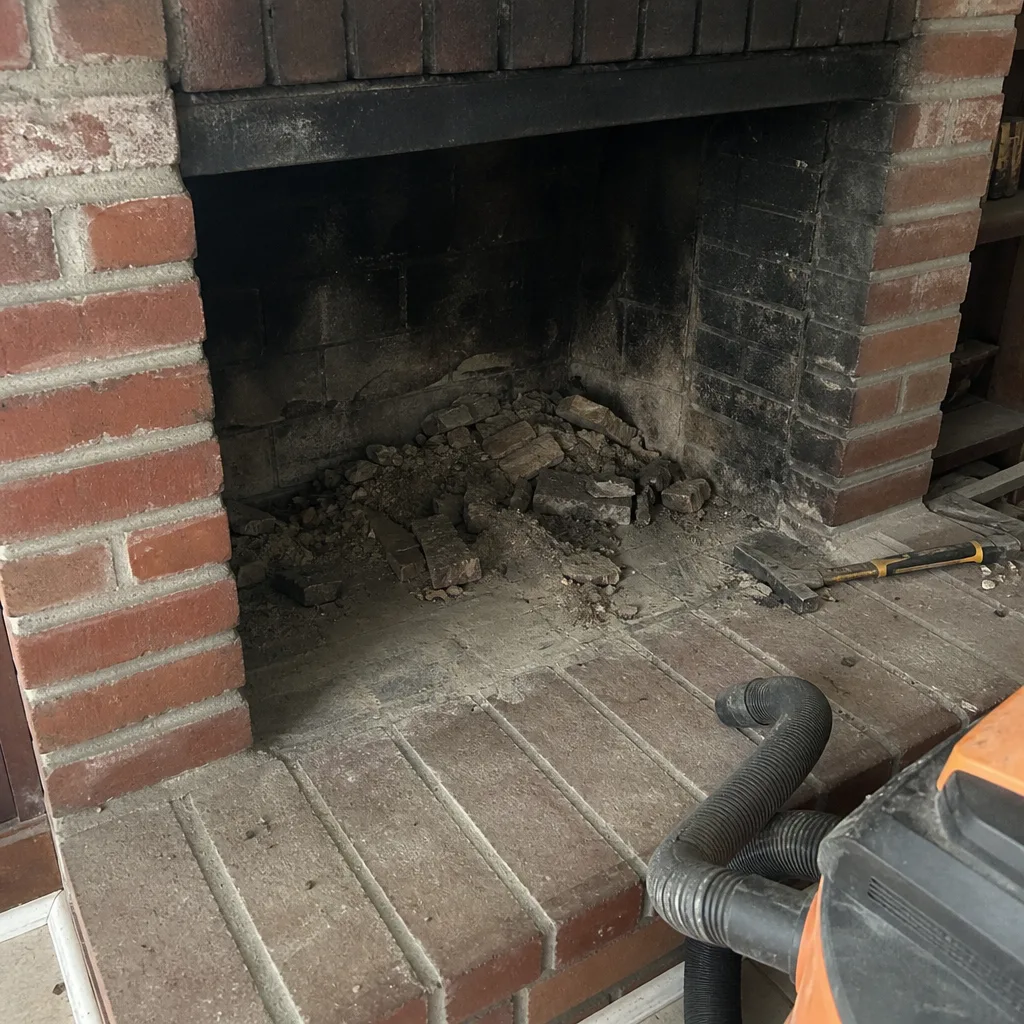
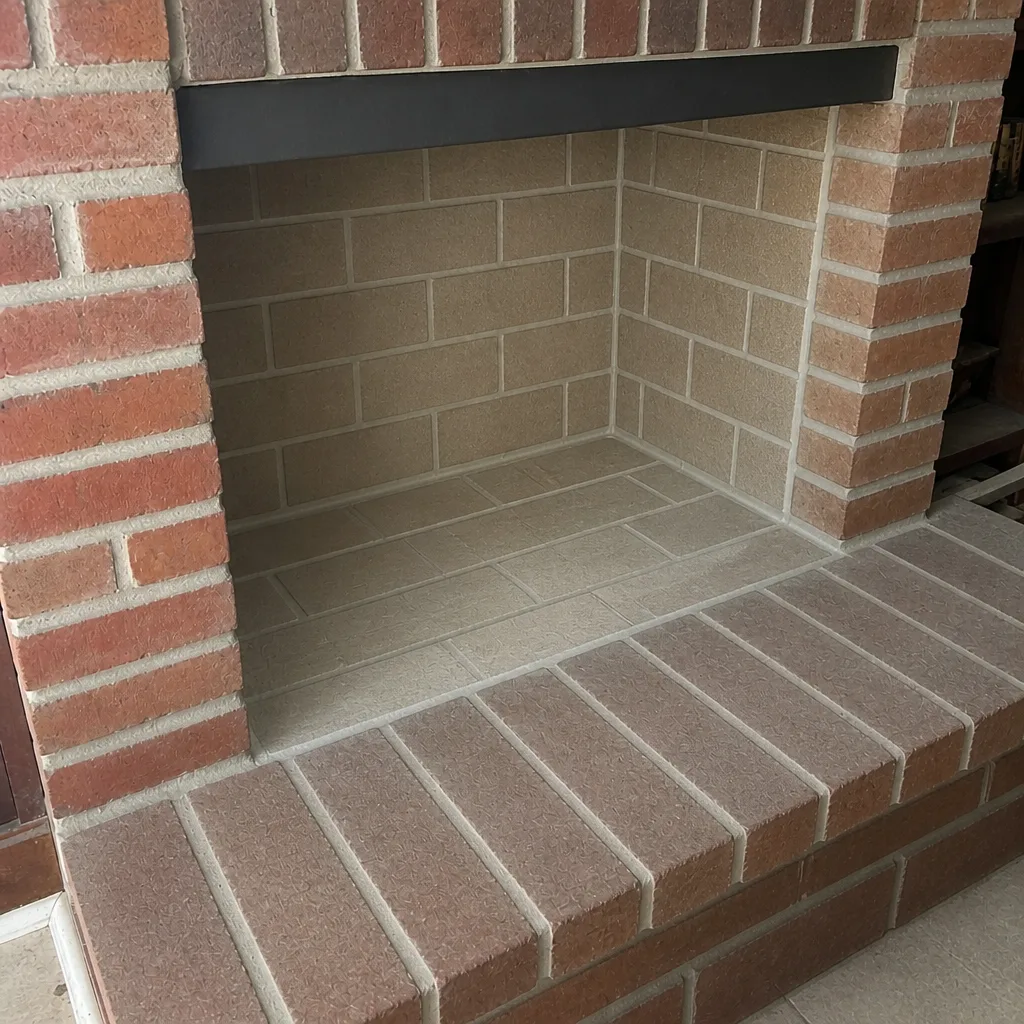
See the difference
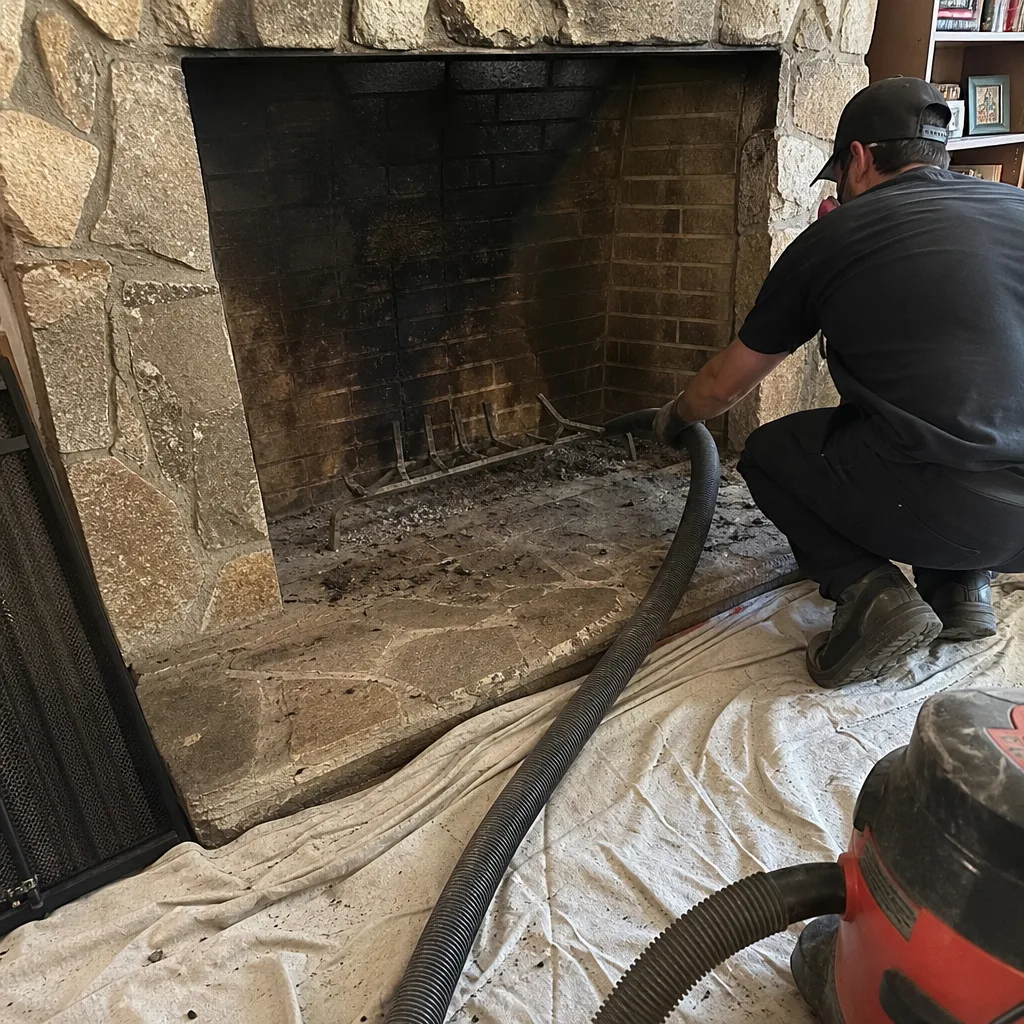 Before
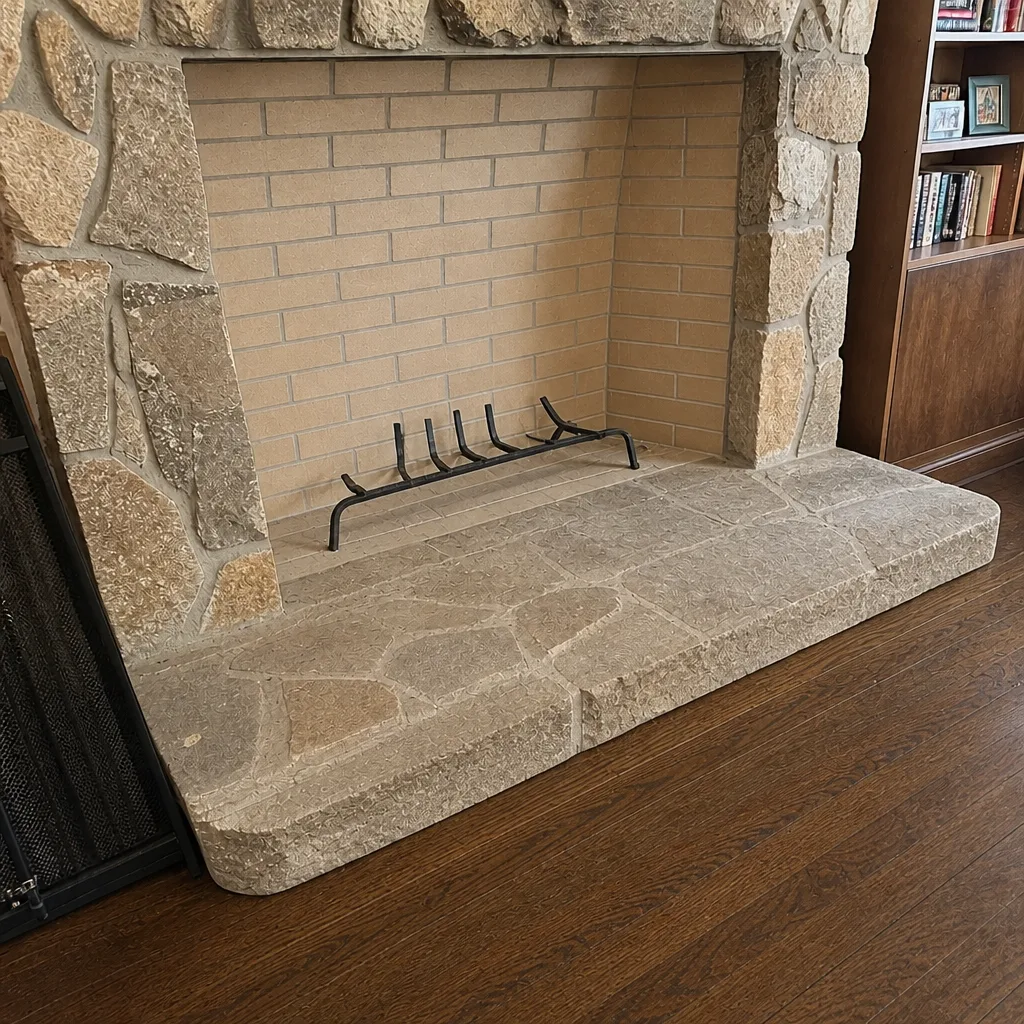 After
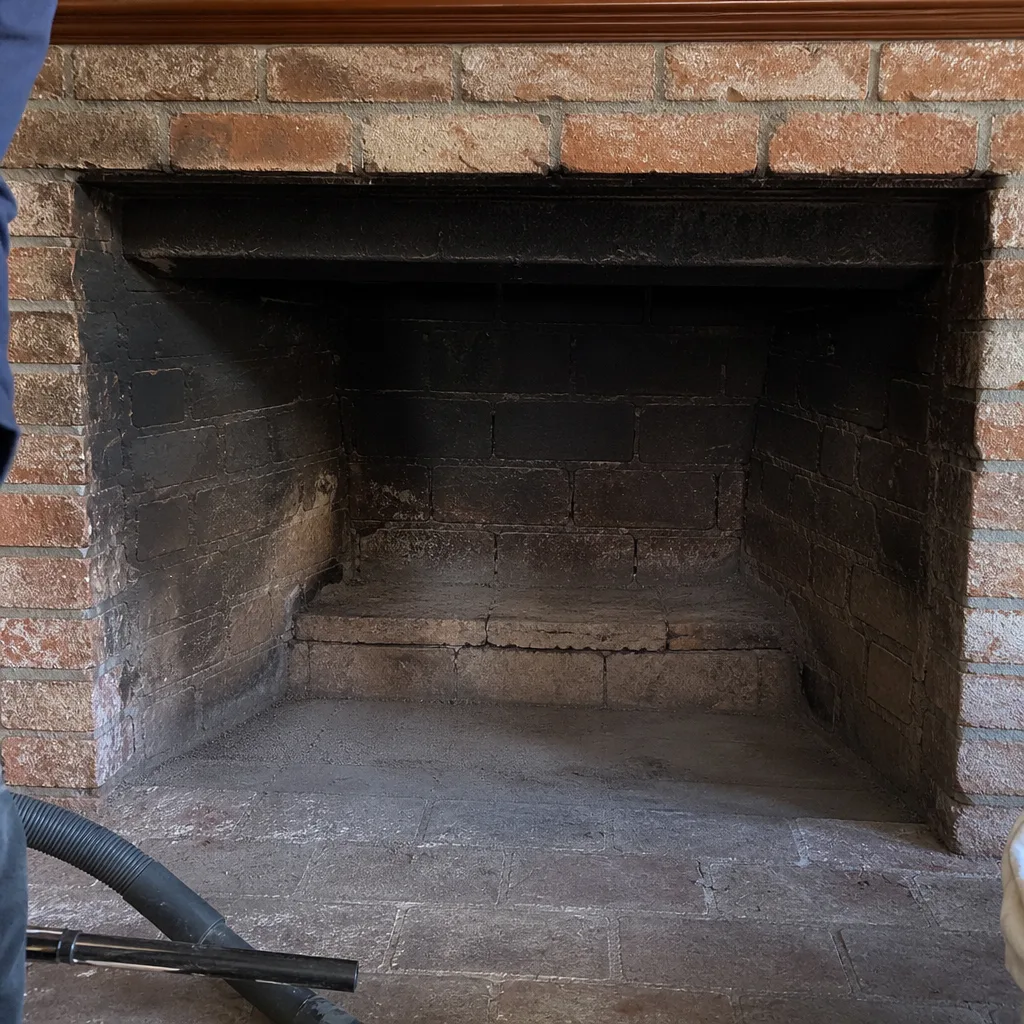 Before
 After
 Before
 After