
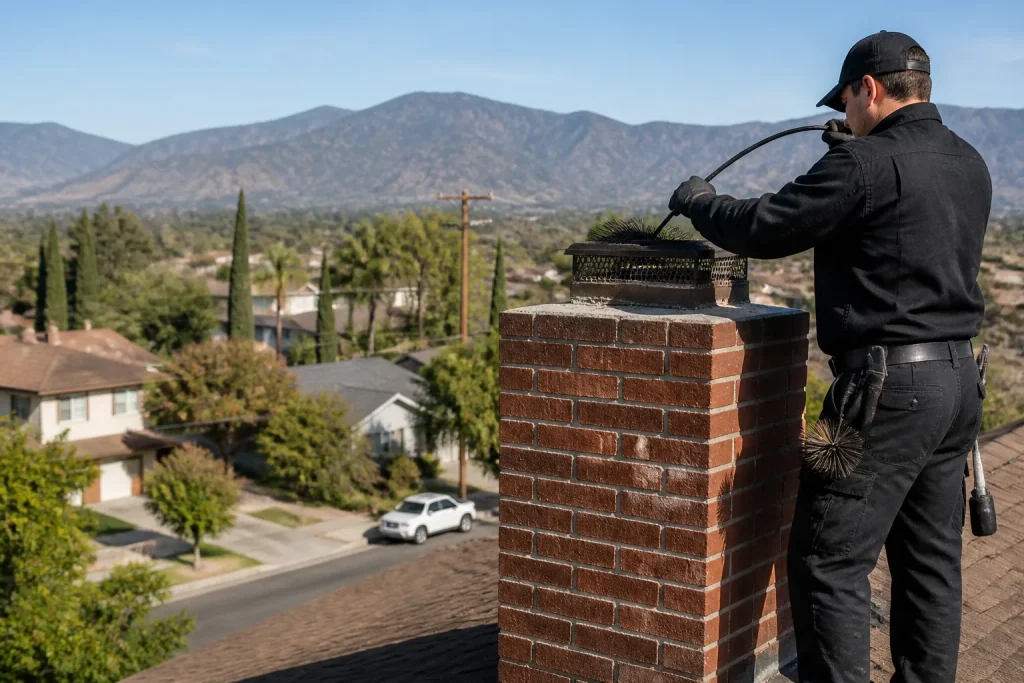
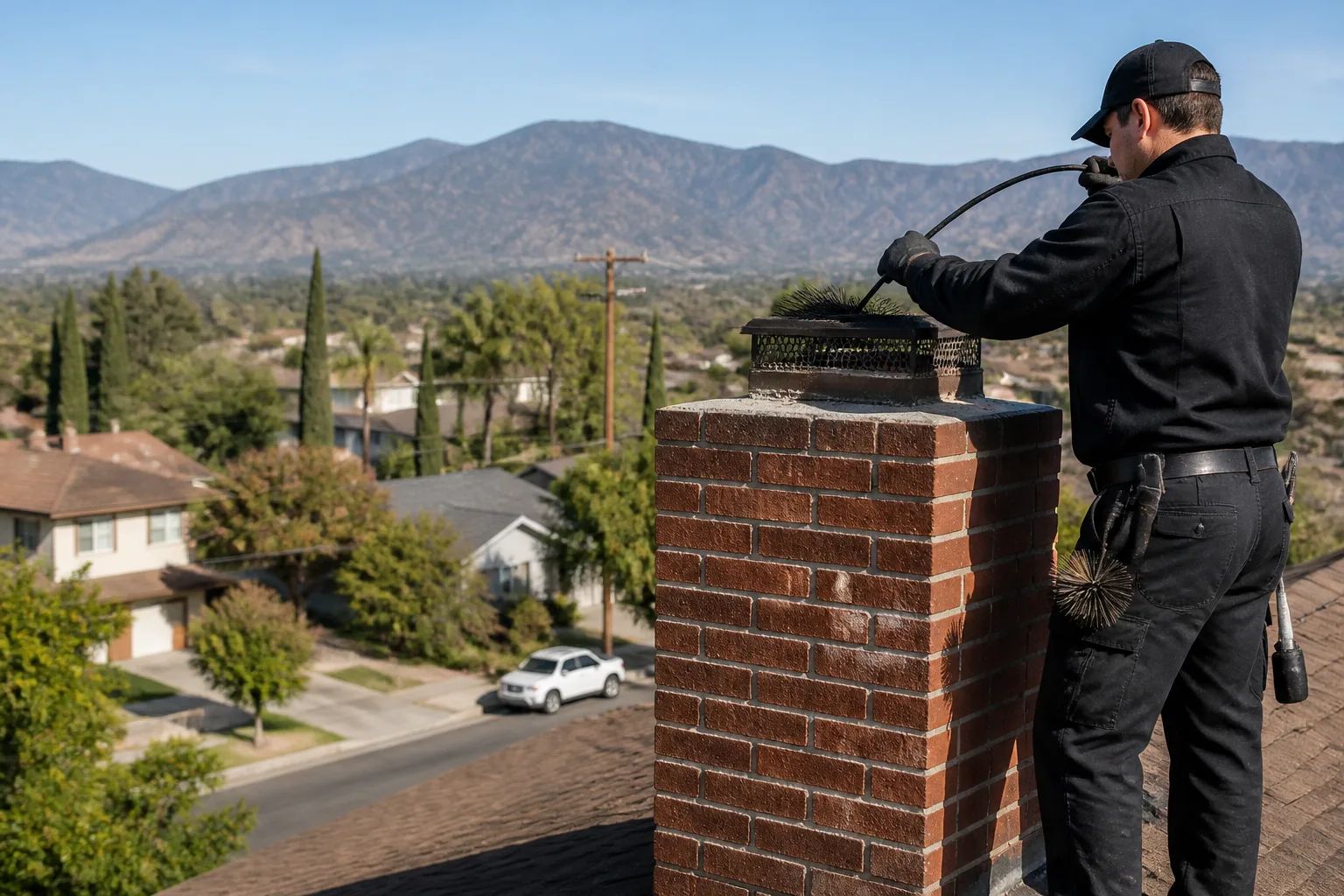
Chimney Sweep Pricing Breakdown: What Whittier Homeowners Pay in 2026
A basic chimney sweep in Whittier runs $149 to $259, while a sweep combined with a camera inspection typically lands between $289 and $449. The gap isn’t a markup scam. It’s the difference between brushing visible soot and actually evaluating the flue system. If you’d rather skip the research and get a straight answer, call (866) 361-2279.
We’re going to break down exactly what you’re paying for, line by line, so you can compare quotes without getting blindsided later.
Why Two Whittier Chimney Sweeps Can Quote $99 and $299 for the “Same” Job
Here’s the thing most pricing articles won’t tell you: a $99 sweep and a $299 sweep are rarely the same service. One company sends a technician with a brush set and a drop cloth, spends forty minutes, and hands you a receipt. The other runs a full Level 1 inspection with a camera, checks the crown, damper, and smoke shelf, and documents everything with photos.
Both have value. But if you think you’re comparing apples to apples, you’re not.
The “free inspection” offers you see on mailers in Whittier usually work like this: the sweep itself is discounted, and the inspection is either a quick visual glance or a deliberate search for repair opportunities. That’s not inherently dishonest. A legitimate assessment visit can catch real problems. But you should know what you’re getting before you book.
Ask one question: “Does the price include a camera inspection and a written report?” If the answer is vague, the $99 price is just for brushing. The camera reveals what’s really happening inside the flue, and that’s where the consultation becomes worth paying for.
Line-Item Pricing: What Each Service Actually Costs in Whittier
Here’s what we’re seeing in the Whittier market for 2026. These are typical ranges for a standard single-flue residential chimney:
- Level 1 sweep (basic brush cleaning): $149 – $259. This covers soot and light creosote removal in a regularly used fireplace.
- Level 2 inspection with camera: $189 – $349 as a standalone service, often discounted when combined with a sweep. The camera goes up the flue and shows cracks, gaps, and creosote buildup you can’t see from below.
- Chimney cap replacement with Gelco hardware: $225 – $475 installed. The cap keeps rain, birds, and backdrafts out, and the price varies with flue size and roof access.
- Crown repair (minor sealing): $300 – $650. The crown is the concrete slab at the top of the chimney. Small cracks let water in, and the fix usually involves sealing rather than full replacement.
- Dryer vent cleaning: $129 – $189. This is a separate system from your chimney, but it’s the other major fire hazard in the home, and it’s worth handling in the same visit.
These numbers assume normal access. Two-story roof lines, steep pitches, or chimneys with multiple flues change the labor involved. So does the condition of the flue, which brings us to the biggest variable in pricing.
How Creosote Stage Changes the Price
Creosote builds up in stages, and the stage determines both the time required and the products needed to get it out.
Stage 1 is a light, flaky dust. That’s a straightforward brush job, and it lands at the low end of the pricing range.
Stage 2 is the shiny, tar-like glaze you get from burning unseasoned wood or running low-temperature fires. It doesn’t brush off. The technician needs rotary cleaning heads and often a chemical treatment to break down the glaze before the mechanical work begins. This adds $50 to $150 over a basic sweep, depending on the flue length and how thick the buildup runs.
Stage 3 is a hardened, candle-wax-like coating that can narrow the flue opening significantly. It’s a fire hazard in waiting, and it sometimes requires multiple passes with aggressive rotary equipment plus a follow-up camera check. In rare cases, the flue is too far gone for cleaning alone, and that’s when you’re looking at resurfacing with a product like HeatShield or a full reline with a DuraFlex system.
The key point: a technician who doesn’t assess creosote stage before quoting is guessing. You want someone who checks first, then prices.
Why LA Basin Pricing Runs Higher Than National Averages
If you look at a national chimney sweep chart and then look at Whittier prices, you’ll notice a gap. There are three reasons for it, and none of them are markup greed.
First, roof access in Los Angeles County tends to be more complex than in flatter parts of the country. Whittier homes range from single-story ranch styles to two-story hillside properties with challenging rooflines. The more time spent setting up ladders and navigating the roof, the more labor goes into the job.
Second, California’s disposal regulations add cost. Creosote and soot can’t just go in the household trash in many jurisdictions. Proper disposal means sealed containers and specific waste handling, which costs money.
Third, licensing and insurance overhead in California is higher than in states with lighter regulation. Any legitimate chimney sweep company carries workers’ compensation, liability coverage, and state-required documentation. That’s built into every quote, whether the company tells you or not.
The companies that seem too cheap are usually cutting corners on one of those three things, or they’re planning to make the margin back on “necessary” repairs once they get on the roof.
Rotary Cleaning Systems vs. Basic Brush Sets: Does the Equipment Matter?
Equipment matters more than most homeowners realize, and it shows up in the price.
A basic brush set is exactly what it sounds like: a wire or poly brush on a rod, pushed up and down the flume. It removes loose soot and light Stage 1 creosote. It’s fine for routine maintenance on a regularly swept chimney, and it’s what the lowest-price quotes usually cover.
A contractor-grade rotary system attaches to a drill and spins at high speed with specialized heads, usually made from steel or a hard polymer. It’s much more effective on Stage 2 creosote and can reach areas a flat brush skips. The equipment is expensive, the training is longer, and the result is a more thorough cleaning.
If your chimney hasn’t been swept in five years and you’re burning wood weekly, a basic brush pass probably won’t do the job. Ask what equipment the company uses. Reputable companies will tell you straight out. This is also where brand-specific materials come into play. We stock chimney caps from Gelco and vent terminations from Famco because they’re matched to the flue and built for the job, not whatever generic part is closest to the checkout counter.
What “Free Inspection” Offers Usually Exclude
We’ve all seen the flyer: “$49 chimney sweep with free inspection.” It’s a lead generator, and there’s nothing wrong with that if you understand the structure.
What’s typically excluded or minimized in those offers:
- Camera inspection: The technician does a visual look from the top and bottom, but the camera doesn’t go up the flue. That’s the most expensive equipment on the truck, and it’s reserved for the paid service tier.
- Time on the roof: The sweep is done quickly from below. The crown, cap, and flashing get a glance, not a real evaluation.
- Documentation: A written report with photos takes time, and time isn’t built into the discounted rate. You get a verbal summary, which is hard to act on later.
- Repair estimates: If the technician finds a crack in the crown or a deteriorating flue liner, the explanation might be rushed, and the quote might arrive on a fresh invoice at full price.
None of this is illegal. But it’s worth knowing that the “free inspection” is often a sales call in disguise, while a full-priced Level 2 inspection is a diagnostic service. A good diagnostic is worth paying for because it tells you what can wait and what can’t.
When to Call a Pro (and When to Wait)
If you use your fireplace regularly and haven’t had it swept in more than a year, it’s time. If you just moved into a Whittier home and don’t know the chimney’s history, absolutely time. If you see black, shiny creosote when you shine a flashlight up the flue, don’t wait.
On the other hand, if you had a camera inspection last season and the report came back clean, you might be fine to skip a year, especially if you’re mostly burning seasoned wood and running small fires. Not every chimney needs annual sweeping. But every chimney needs periodic evaluation, and the only way to know is to look.
A note on safety, because it matters: creosote fires can reach temperatures that crack flue liners and spread heat into the home’s frame. Carbon monoxide from a blocked flue is odorless and can build up without any visible sign. These are the reasons chimney service exists. If you’re unsure, get it checked.
The Bottom Line
Chimney sweep pricing in Whittier varies because service scope varies. A $99 brush job is one thing. A full sweep with camera inspection, creosote assessment, and a written report is another. Know which one you’re buying before you hand over money.
What drives the price: the flue condition, the roof access, the equipment used, and whether the company is working with contractor-grade materials or generic substitutes. A DuraFlex liner or a HeatShield resurfacing application costs more than a brush pass for good reason. It’s a different category of service.
If you’re in Whittier and want a straight answer about your chimney, call Chimney Sweep Whittier at (866) 361-2279. We answer 24/7, and fast dispatch runs Sunday through Friday from 7am to 7pm. Estimates are free, and the final price is set by the written estimate, per job.
Frequently Asked Questions
A basic chimney sweep in Whittier typically runs $149 to $259, and a sweep with a full camera inspection runs $289 to $449. The final price depends on flue condition, roof access, and whether creosote buildup requires rotary cleaning or chemical treatment. Call (866) 361-2279 for an exact quote. Estimates are free.
Not always. Minor gaps can sometimes be addressed with HeatShield resurfacing rather than a full reline. A full reline with a DuraFlex system is the right call when the existing liner is cracked, spalling, or unsafely sized for the appliance. The camera report should show you exactly what’s wrong. Nothing should be recommended without evidence you can see yourself.
For most wood-burning fireplaces in Whittier, once a year is a good rule of thumb, especially if you burn during the cooler months. Gas inserts need less frequent sweeping but still benefit from an occasional inspection. The camera tells you more than the calendar. Get a baseline inspection, then follow the recommendation.
Creosote builds up on the flue walls, and at Stage 2 or Stage 3, it becomes a fire risk. A chimney fire can crack the liner and spread into the home’s structure. Blocked flues also push carbon monoxide back into the living space. The risks are real and avoidable. Call (866) 361-2279 to schedule an evaluation.
Written by the team at Chimney Sweep Whittier, serving Whittier since 2014.
Need Chimney Cleaning Help?
Call Chimney Sweep Whittier - licensed & insured, here with fast help in Whittier.
(866) 361-2279